
Our Certifications
Click the image to view.


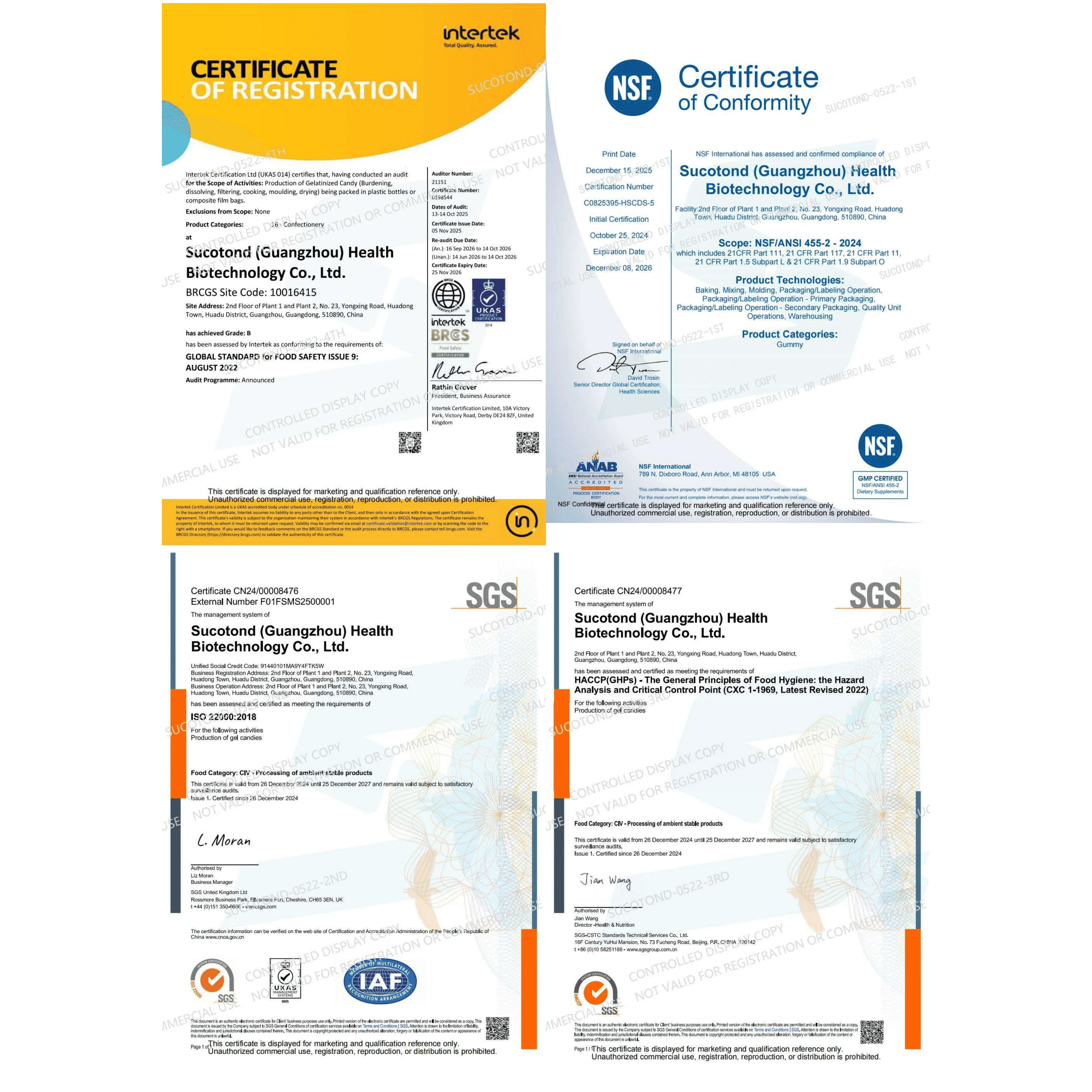
Why Can You Trust Sucotond's Creatine Monohydrate Gummies?
- We hold factory system certifications including FDA registration, NSF/ANSI 455-2 (GMP), HACCP, ISO 22000, and BRCGS;
- Sucotond utilizes a patented gelatin-cooking process in conjunction with in-house developed equipment.
- We have standard operating procedures and documentation with over three years of experience in producing creatine monohydrate gummies.
- Sucotond has a dedicated team that provides market and formulation reviews, as well as market review documentation and logistics support.
- We provide comprehensive quotations, minimum order quantities (MOQs), packaging materials, and content testing to ensure project control.
SUCOTOND—Your Partner for Monohydrate Creatine Gummies
We are a B2B creatine monohydrate gummy manufacturer serving overseas nutritional supplement brands. Through OEM/ODM, Private Label, and custom formula production, we provide brands with a one-stop solution for creatine monohydrate gummies.
Our creatine gummies are made from creatine monohydrate and are NSF/ANSI 173 certified. If you require third party tested creatine gummies, we also provide multiple quality certifications, including test reports from Eurofins and NSF laboratories, showing you that the creatine monohydrate content in the gummies meets your requirements and solving the problems of unclear standards and difficult verification.
For private label creatine gummies, we also pay equal attention to the overall operation of your project. We support the verification of the custom formulas you propose to ensure the feasibility of mass production; we also provide materials for the review of the formula in the target market to help your project quickly enter commercial operation; in addition, we provide full-process project support such as quotations, timeline estimation, and shelf-life stability testing.
Sucotond's Various Types of Creatine Monohydrate Gummies
We can provide customization services in multiple aspects, including at the formulation level, especially raw material types and blended formulas; at the shape level, with raspberry and cube shapes being the most common; and at the attribute level, including sports and daily use, to provide exclusive products for your brand.
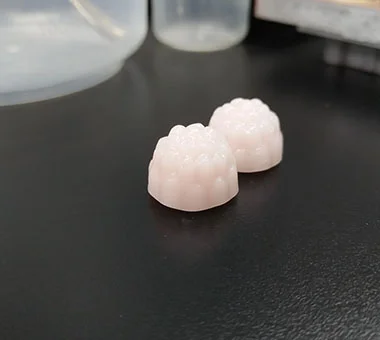
Creatine Gummies
Using pure creatine monohydrate as the raw material, it is most suitable for the mass market and suitable as a must-have product for your brand.
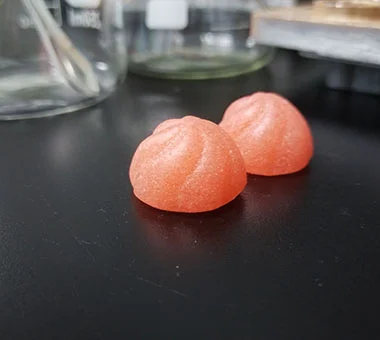
Creatine HCL Gummies
Our HCL Creatine Gummies use creatine hydrochloride as the active form, its unique high-solubility feature provides a smooth mouthfeel.
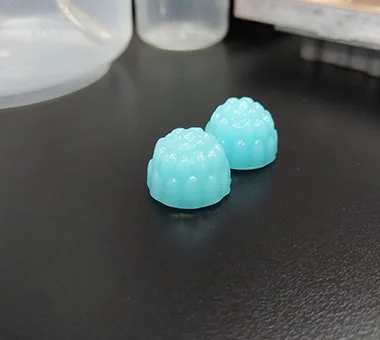
Sugar Free Creatine Gummies
Our Sugar-Free Creatine Monohydrate Gummies help your brand serve consumers who manage sugar intake, and successfully enter the sugar-free market.
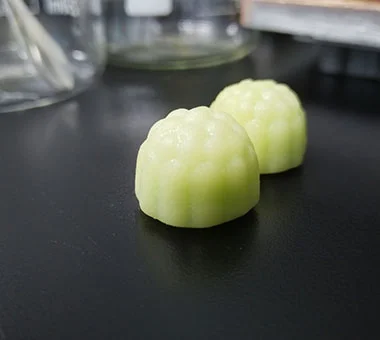
Vegan Creatine Gummies
Vegan Creatine Monohydrate Gummies based on pectin, meeting vegetarian needs and allowing your brand to expand a broader gummy sales market.
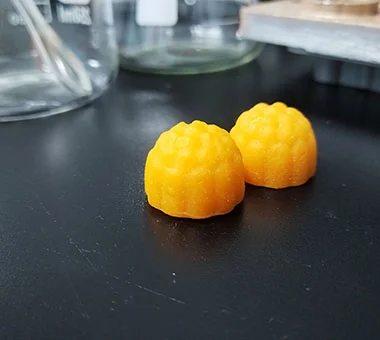
Creatine Gummies For Athletes
Exclusive for athletes, with quality agreements and supply continuity, ensuring long-term stability and compliant addition, serving teams.
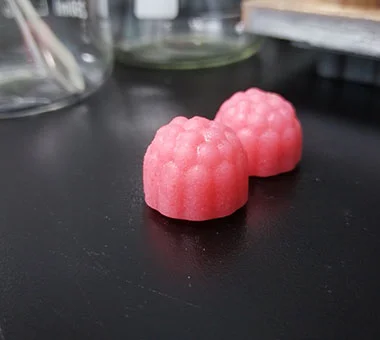
Flavored Creatine Gummies
Using natural fruit flavor to mask the powdery feeling and sour-astringent feeling brought by creatine gummies, achieving natural intake of creatine monohydrate.
Explore More Creatine Monohydrate Gummies
Find your brand's unique custom solutions
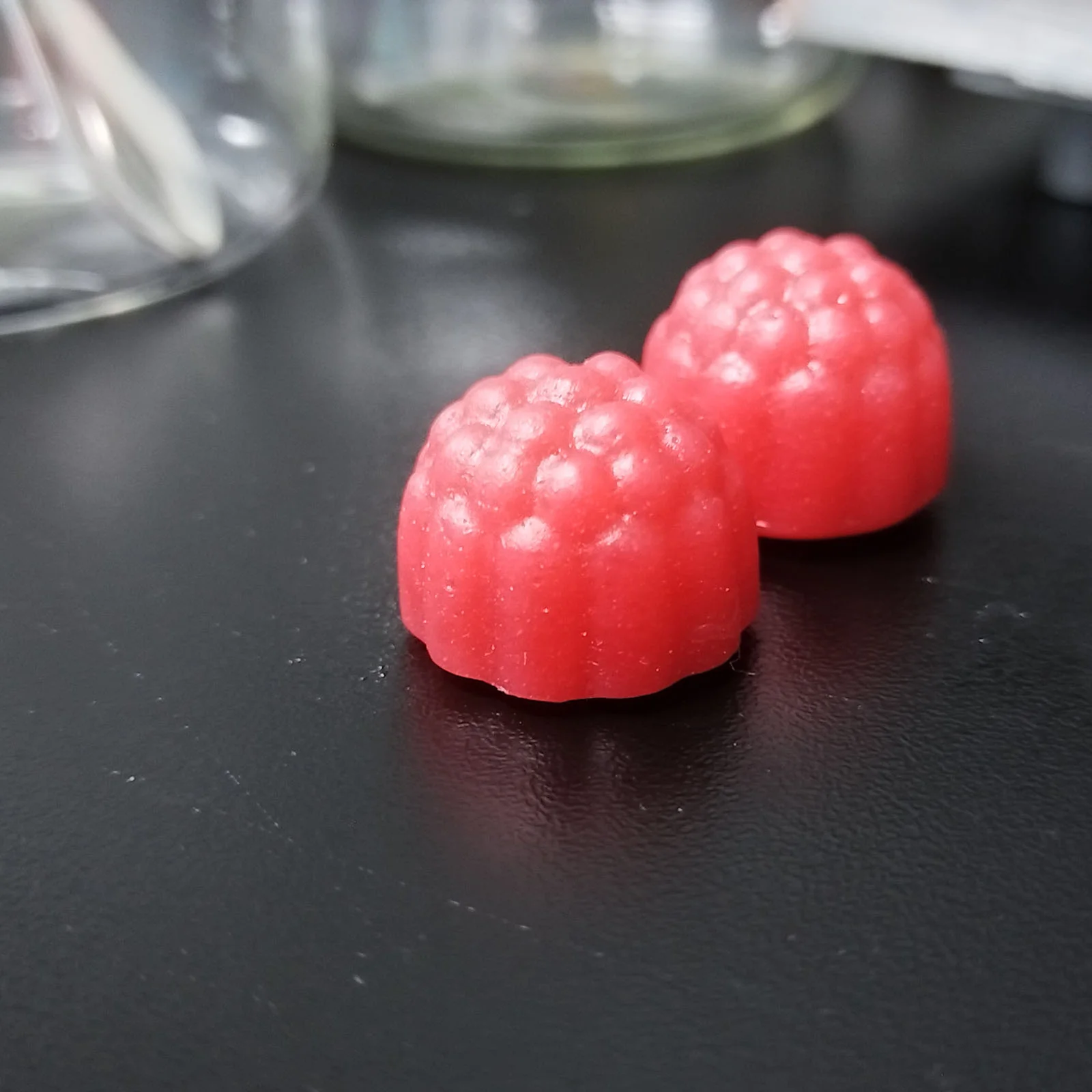 Strawberry Creatine Gummies
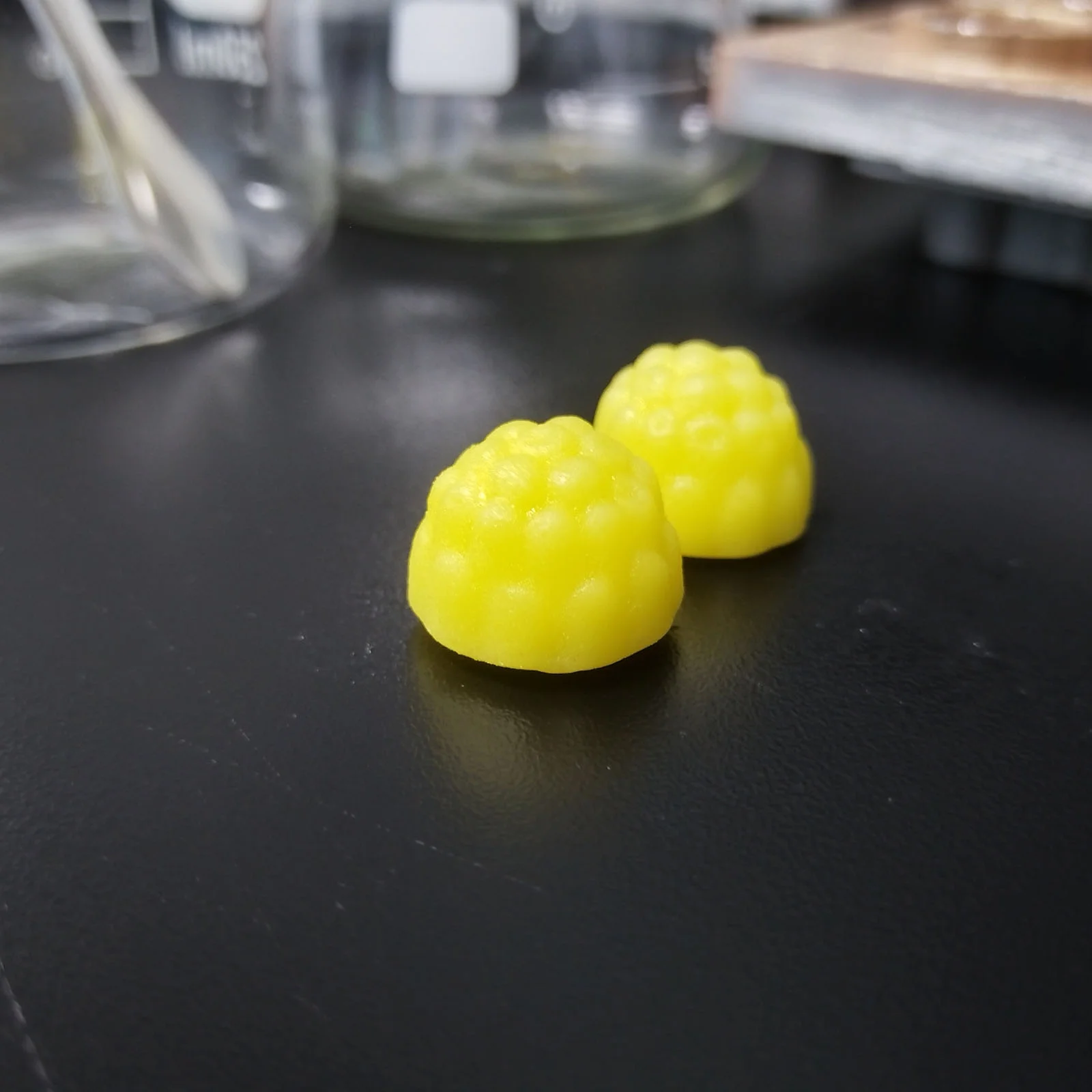 Pineapple Creatine Gummies
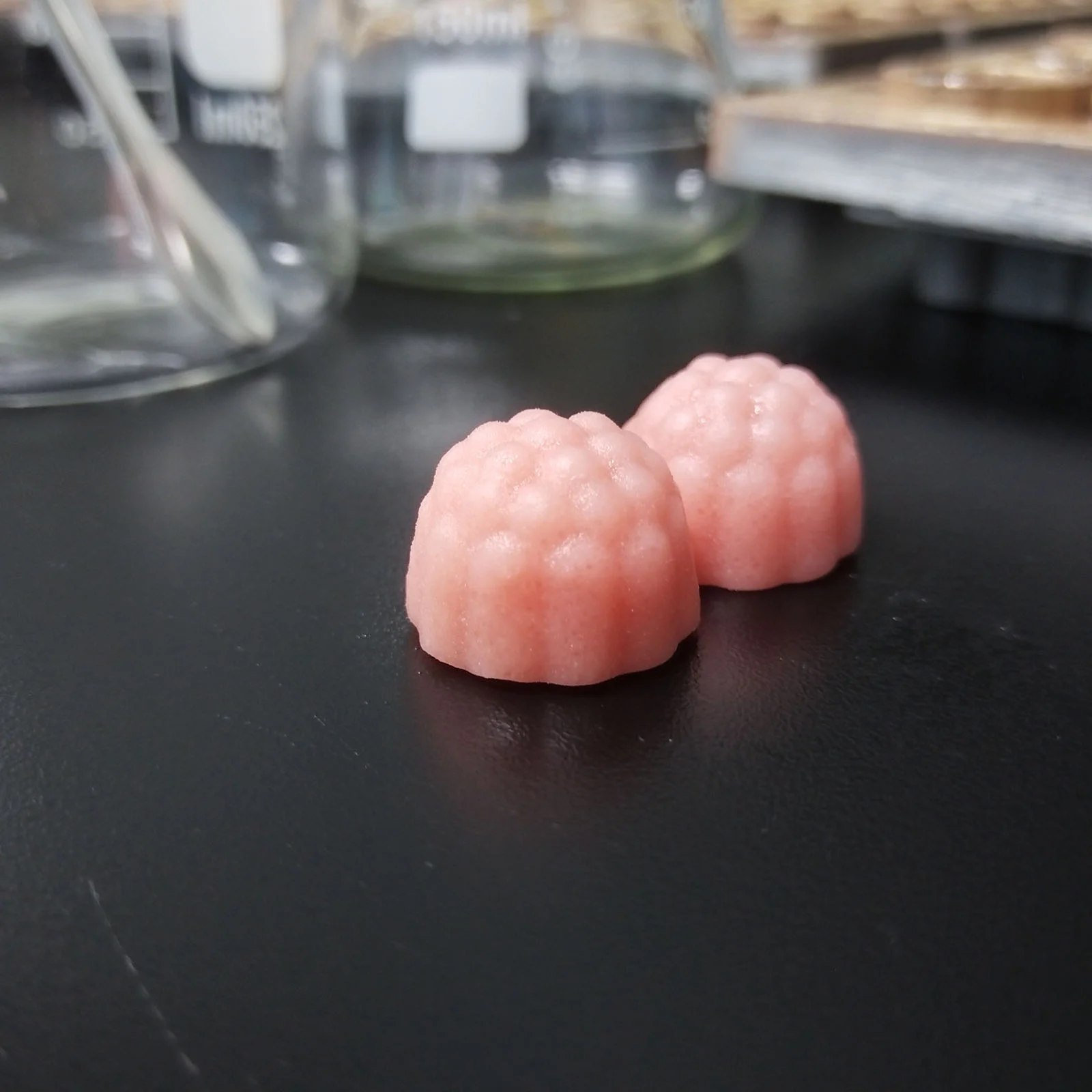 Peach Creatine Gummies
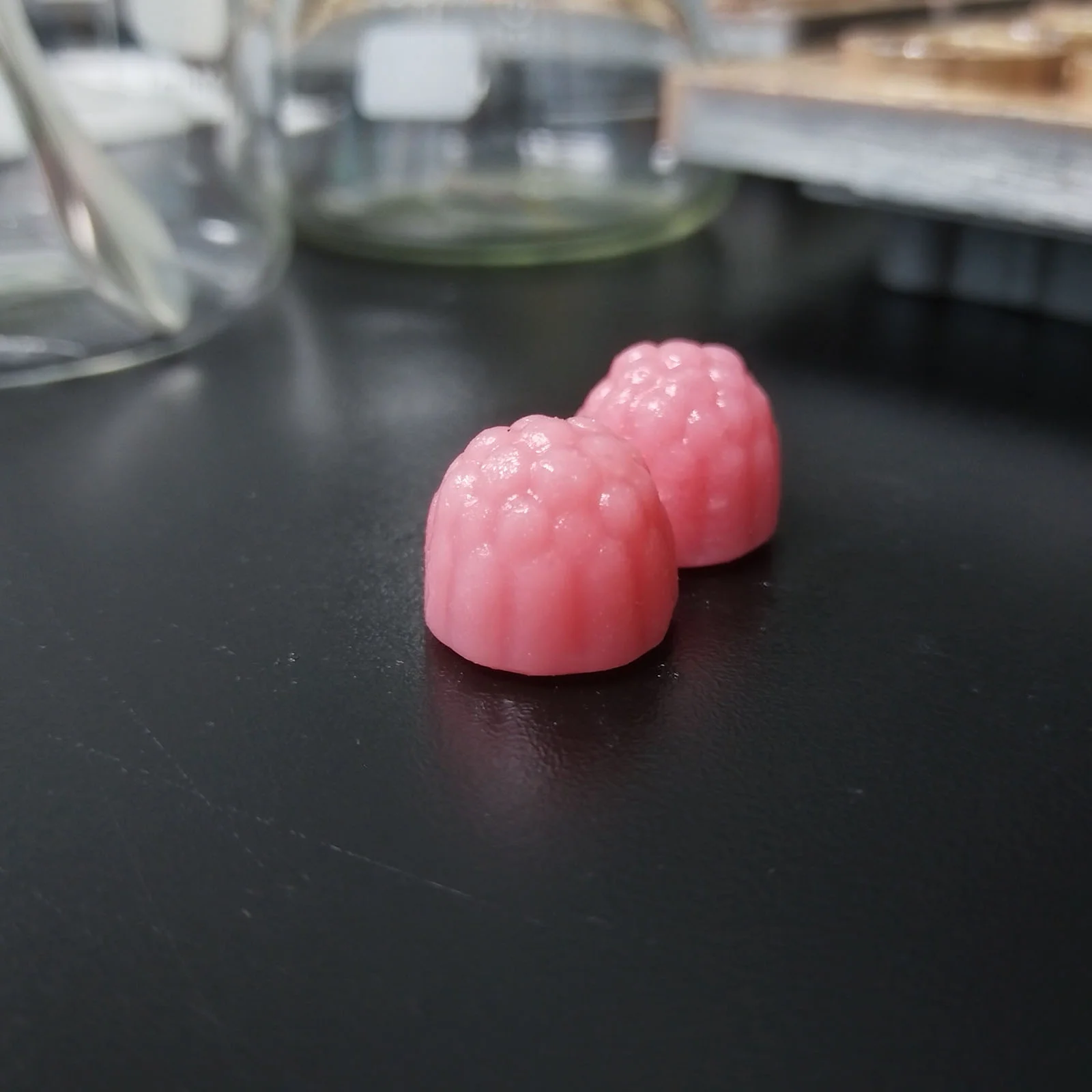 Watermelon Creatine Gummies
 Blueberry Creatine Gummies
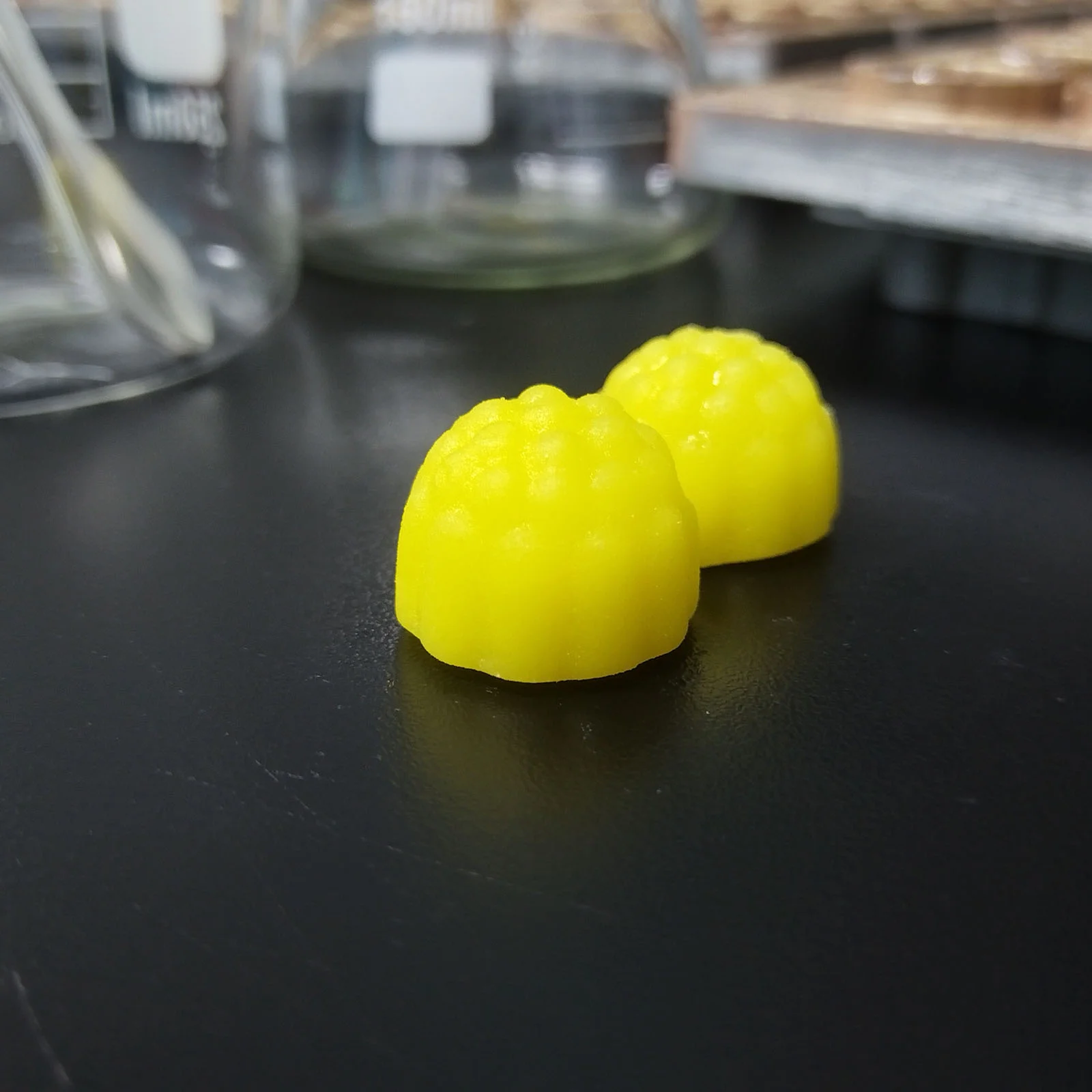 Sour Creatine Gummies
 Sour Apple Creatine Gummies
 Flavored Creatine Gummies
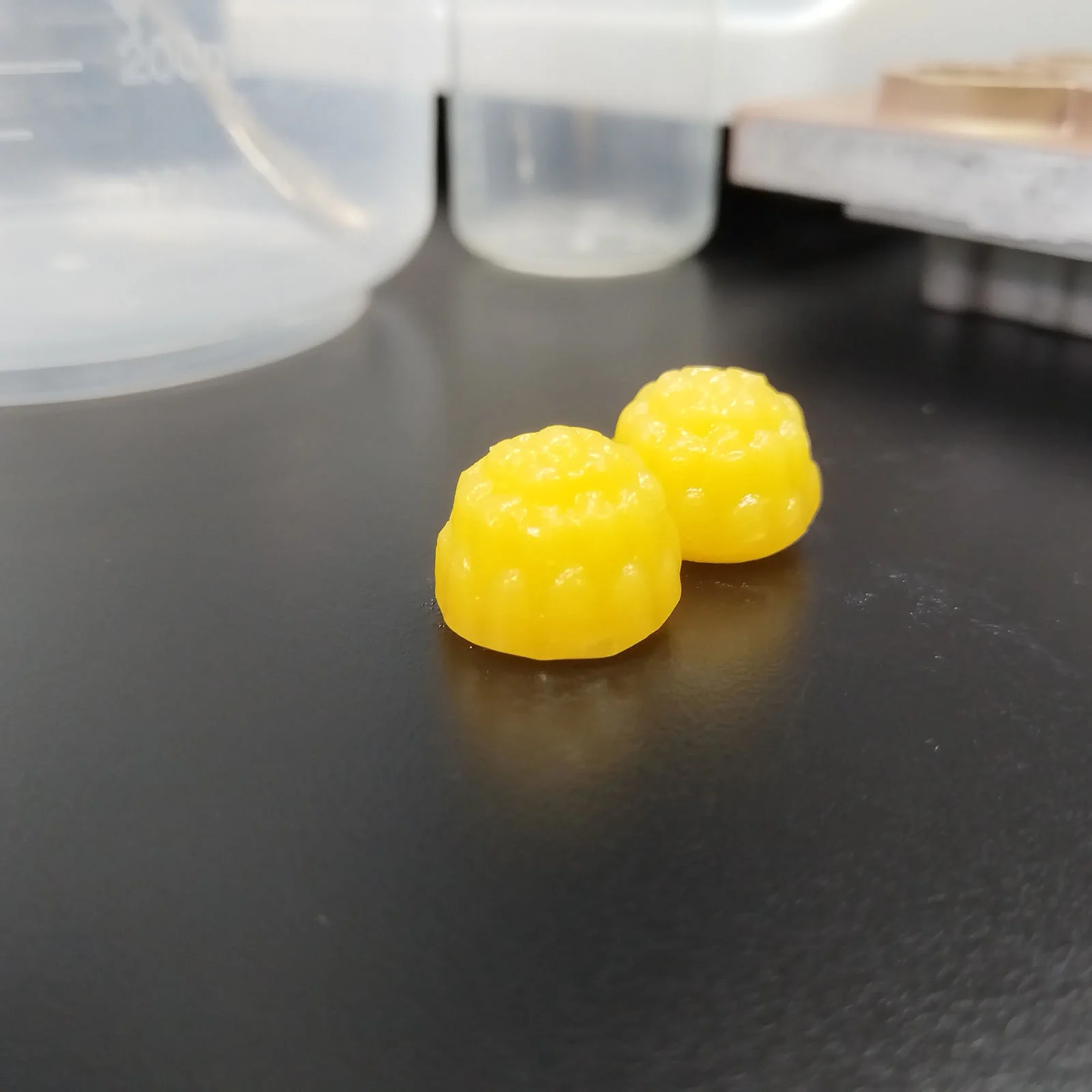 Creatine D3 K2 Gummies
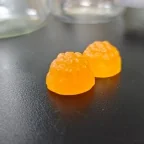 Pre Workout Creatine Gummies
The Advantages of Our Creatine Monohydrate Gummies
For your project, the selection of creatine monohydrate gummies cannot be based only on the quality of the product itself, you also need to focus on engineering coordination effects (such as formulation and mass production), as well as commercial controllability (such as cost and time). These are two equally important aspects—which we refer to as the "product layer" and the "execution layer"—and we provide:

Stability Control
From raw material input to gummy use, the creatine monohydrate content remains stable throughout

Content Verification
We ensure the required concentration is met and provide verification to support your needs

Uniformity Control
Engineering expertise ensures consistent content across product batches and individual gummies

Storage Synergy Control
Customized packaging and coating treatments balance aesthetics with storage requirements

Sugar-Free Creatine Gummies
Supports sugar-free product positioning and helps brands respond to the needs of sugar-conscious consumers

Vegan Creatine Gummies
Utilizes a pectin-based, clean formulation to reduce market restrictions

Excellent Texture
Allows for some control over firmness and softness; our process addresses issues like recrystallization and powdery texture

Excellent Appearance
Highly customizable shapes and colors create a visual impact that enhances your brand's social media marketing performance
Our Threefold Guarantee for Solving Product Problems
High Dose Creatine Gummies are a key product of our Sucotond, with more than 10+ years of production experience. To solve the problem of uneven content that you encounter in similar products, we divide it into three levels and conduct in-depth research.
1. At the product end: We select micronized creatine monohydrate gummies dosage form or creatine hydrochloride gummies dosage form according to the needs, so that the content of creatine monohydrate gummies is stable while taking mouthfeel into account;
2. At the process end: Through independently developed production equipment, laboratory formulas enter the production workshop, and the effects of samples and mass production achieve consistency;
3. At the management end: Corresponding Sucotond creatine monohydrate gummy production standards have been formulated, making project control visualized and adjustable.
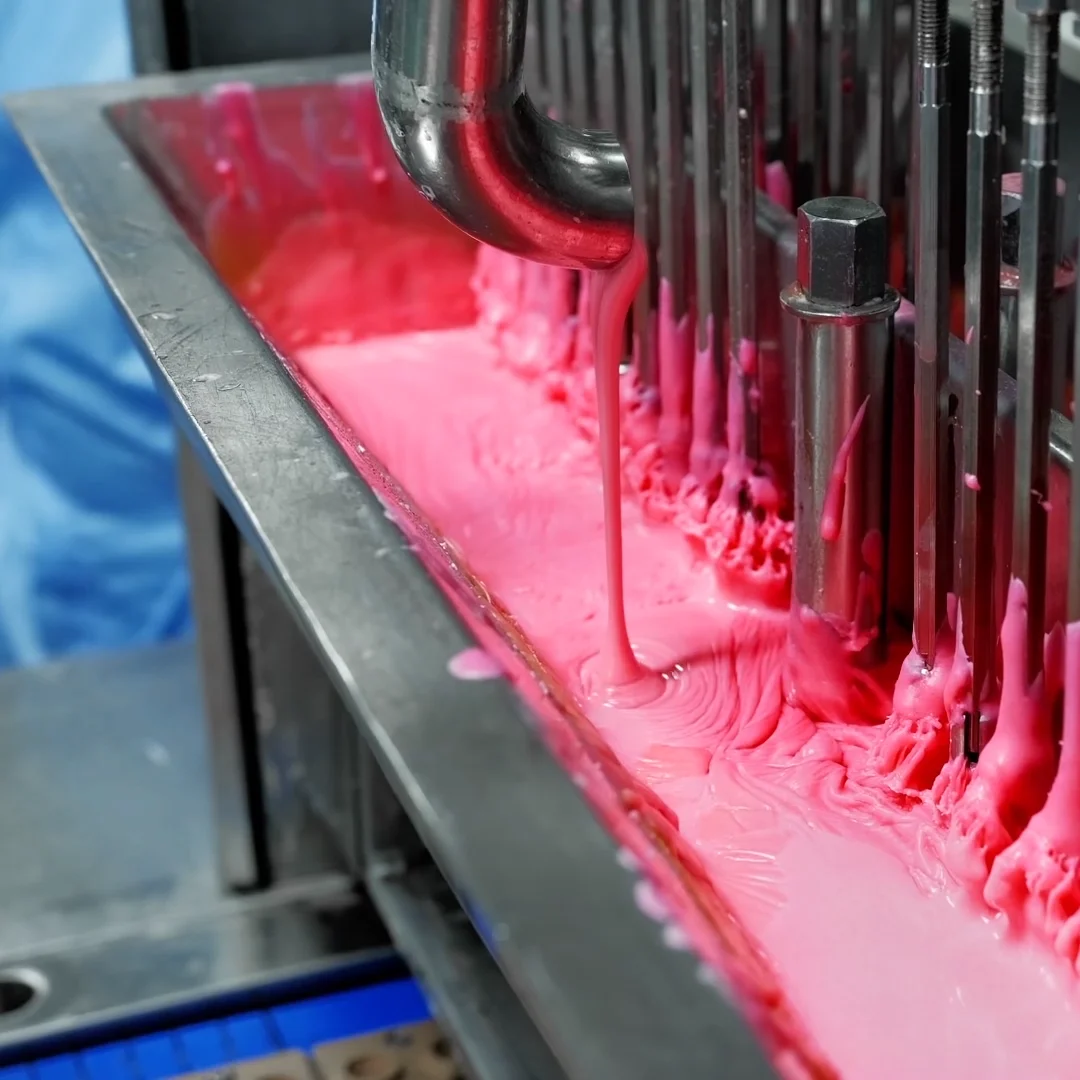
We Provide Documentation to Support Your Market Audit
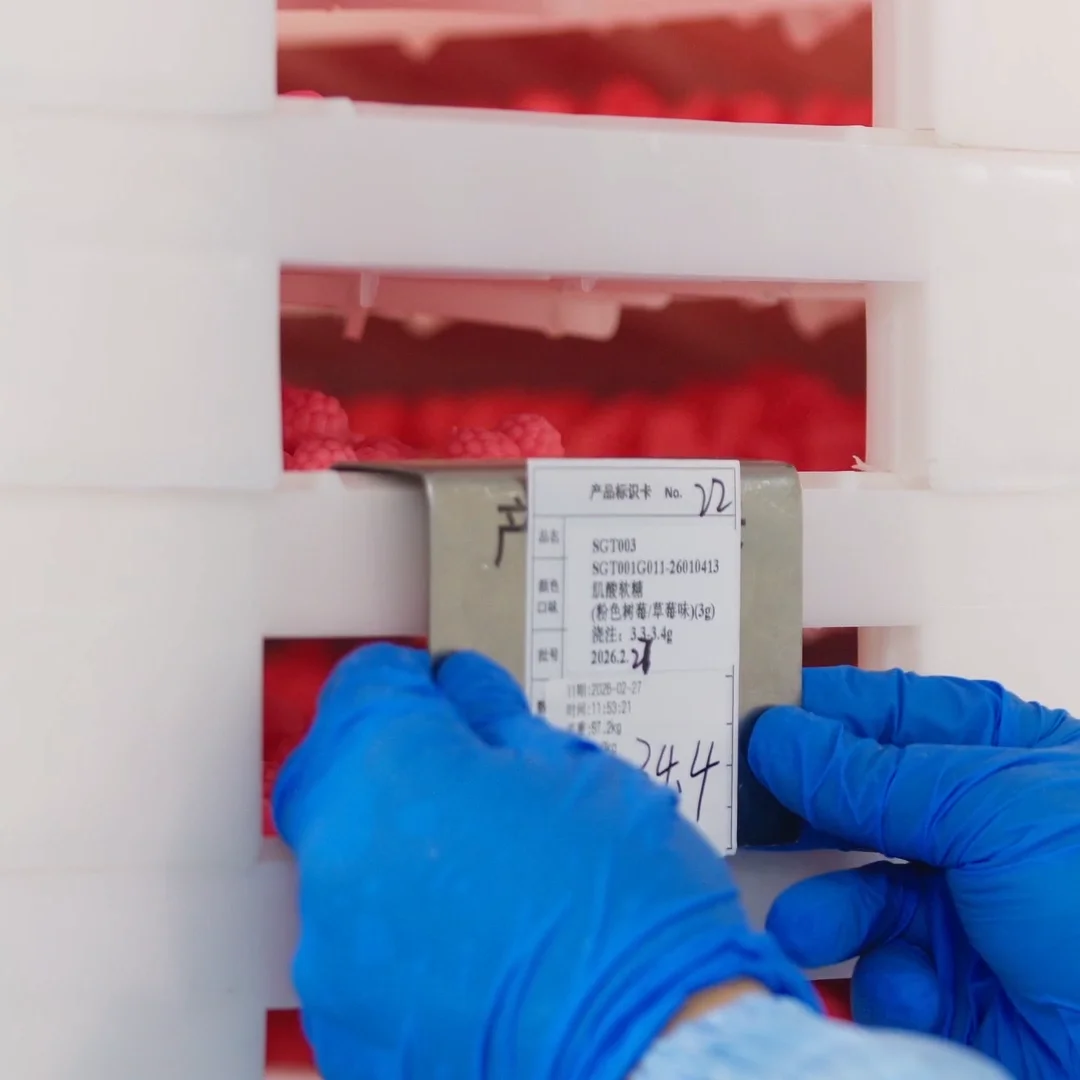
When purchasing creatine monohydrate gummies, you need to face reviews from multiple aspects such as customs import, sales platforms, and local regulations. Therefore, we provide project market-entry verification documents such as product specifications, batch COAs, and production records, which are used to support the reviews of exporters, platforms, and brand QA.
Help you quickly pass market entry and solve:
1. Delayed listing caused by platforms requiring supplementary documents.
2. Content or formula disputes that cannot be traced.
3. A series of common commercial progress problems such as repeated supplementation of documents in the later stage of the project, resulting in increased time and cost.
Resource Center
Catalog Download
You can view and download our product catalog here to gain a comprehensive understanding of the gummy categories we offer. We believe you will be pleasantly surprised.
DownloadCertifications Download
You can view and download our certificates and reports here. Internationally recognized certifications and unified standards are our most sincere assurance to you.
DownloadVideos
You can take a look at our factory, production lines, and products here. Seeing is believing, and we're committed to building your trust through every possible means.
Watch VideoSucotond — Creatine Gummy Manufacturer for Private Label Products

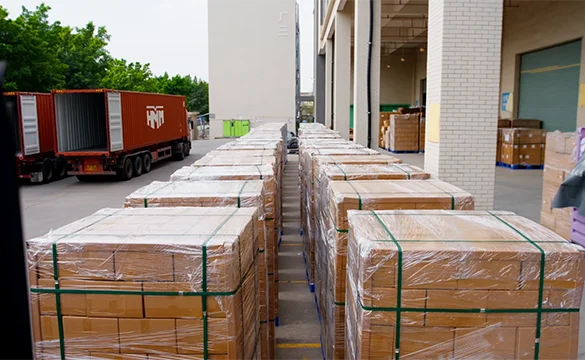
We support the success of your project through advanced process equipment, suitable mechanisms, a strong team, and more
In production: a 10,000-square-meter multi-story factory, more than 10+ years of professional experience in producing creatine monohydrate gummies, 6 automated gummy production lines equipped with 31 production machines, and a current average actual monthly delivery volume of 105,000 bottles;
In R&D: the R&D department has tested creatine gummies with creatine monohydrate addition levels from 10% to 80%, and evaluated 40% as the optimal addition level, with more than 10 related patents and certificates;
In team: a professional team of more than 90 people, equipped with a 625-square-meter living area including multi-story employee dormitories;
All of these will serve your creatine monohydrate gummy project.
Commercial Directions for Creatine Gummies
As a popular product in the market, Creatine Gummies can support many types of projects. Below are some project references we provide. We can also offer custom services and share our experience based on your brands strategic direction.
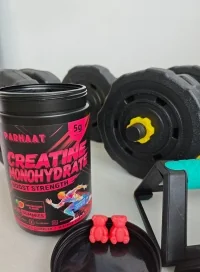
Sports Nutrition Brands
We have developed multiple levels of high-content creatine monohydrate gummy formulas to perfectly match your special requirements. Among them, the 5g creatine gummies dosage form has undergone special process optimization, making it more suitable for the measured intake and long-term adherence needs of sports nutrition consumers.
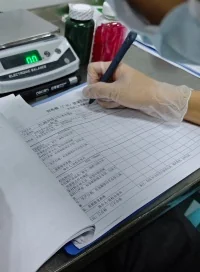
Amazon and Private Label Sellers
We have a mature, time-tested project workflow that provides end-to-end services, including private-label packaging, batch COAs, TDS, and third party tested support, enabling your platform projects to quickly scenario review and enter the market.
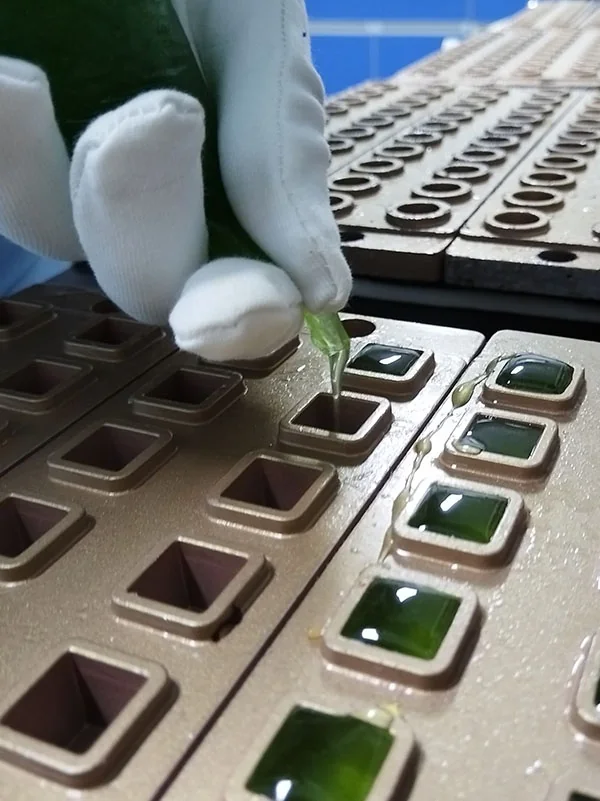
Vegan/Pectin-Based Gummy Projects
Designed to meet the growing demand for vegan, plant-based, and clean-label products. Through the development of creatine monohydrate gummies using a pectin-based matrix, we meet the needs of vegan-labeled brands that wish to avoid gelatin—especially if you require both creatine stability and excellent texture.
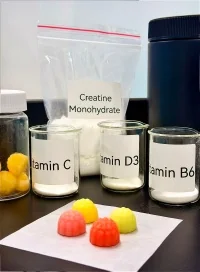
Functional Blended Formula Projects
We have developed creatine monohydrate gummies in multiple directions and can realize the implementation of your blended formula application needs. For example, if you have common blended formula product requirements such as creatine monohydrate with electrolytes, vitamins, and minerals, they can all be realized.
Real Market Feedback for Creatine Gummies
Consumer feedback from the market helps brands evaluate formulation acceptance, dosage design, quality experience, and differentiation. The following feedback is drawn from real-market consumer experiences with verification-driven creatine gummies.
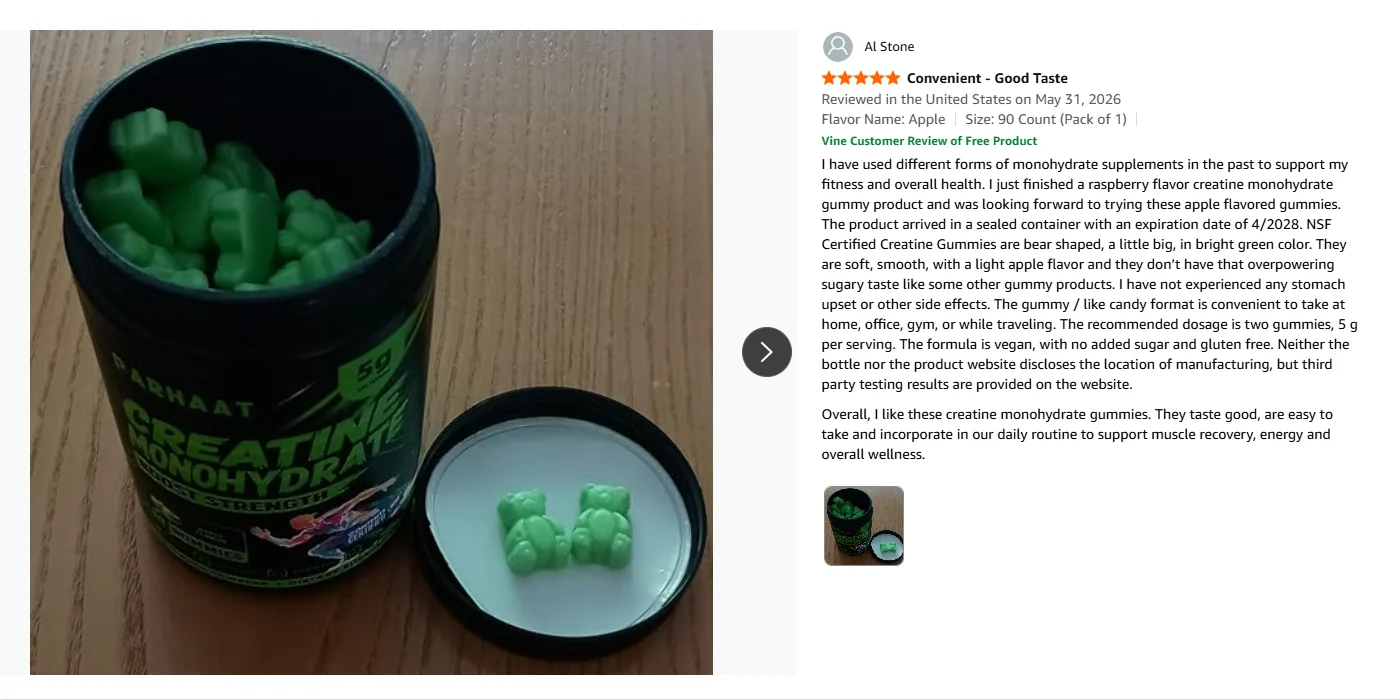
Al Stone
★★★★★
Convenient - Good Taste
Reviewed in the United States on May 31, 2026
Flavor Name: Apple | Size: 90 Count (Pack of 1)
They are soft, smooth, with a light apple flavor and they don't have that overpowering sugary taste like some other gummy products. I have not experienced any stomach upset or other side effects. The gummy / like candy format is convenient to take at home, office, gym, or while traveling. The recommended dosage is two gummies, 5g per serving.
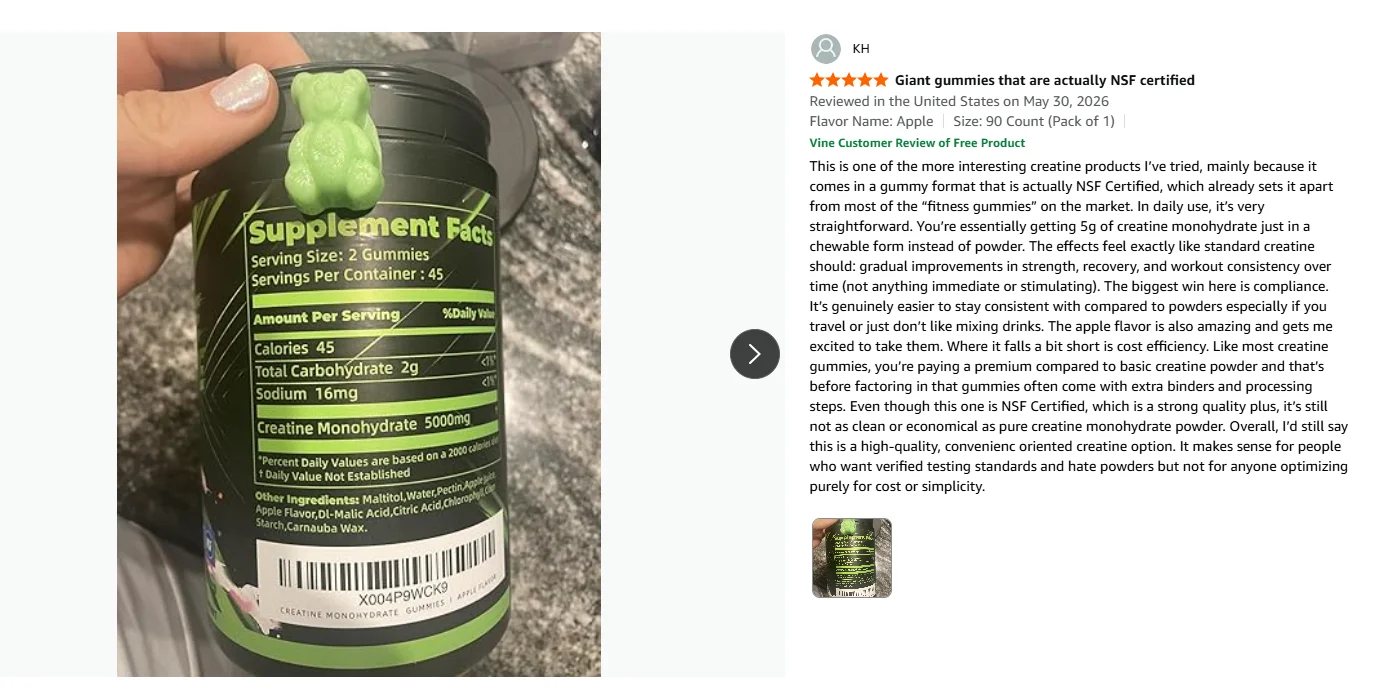
KH
★★★★★
Giant gummies that are actually NSF certified
Reviewed in the United States on May 30, 2026
Flavor Name: Apple | Size: 90 Count (Pack of 1)
The effects feel exactly like standard creatine should: gradual improvements in strength, recovery, and workout consistency overtime. The biggest win here is compliance. It's genuinely easier to stay consistent with compared to powders especially if you travel or just don't like mixing drinks. The apple flavor is also amazing.
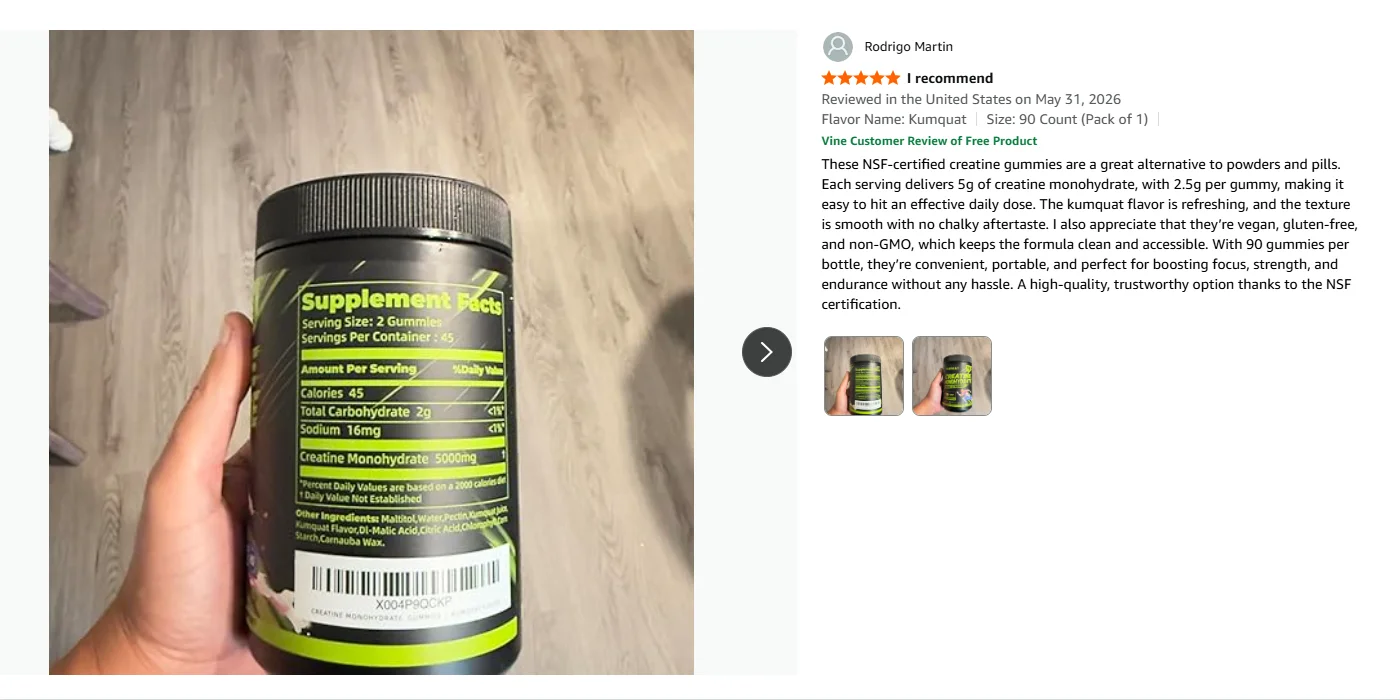
Rodrigo Martin
★★★★★
I recommend
Reviewed in the United States on May 31, 2026
Flavor Name: Kumquat | Size: 90 Count (Pack of 1)
I also appreciate that they're vegan, gluten-free, and non-GMO, which keeps the formula clean and accessible. With 90 gummies per bottle, they're convenient, portable, and perfect for boosting focus, strength, and endurance without any hassle. A high-quality, trustworthy option thanks to the NSF certification.
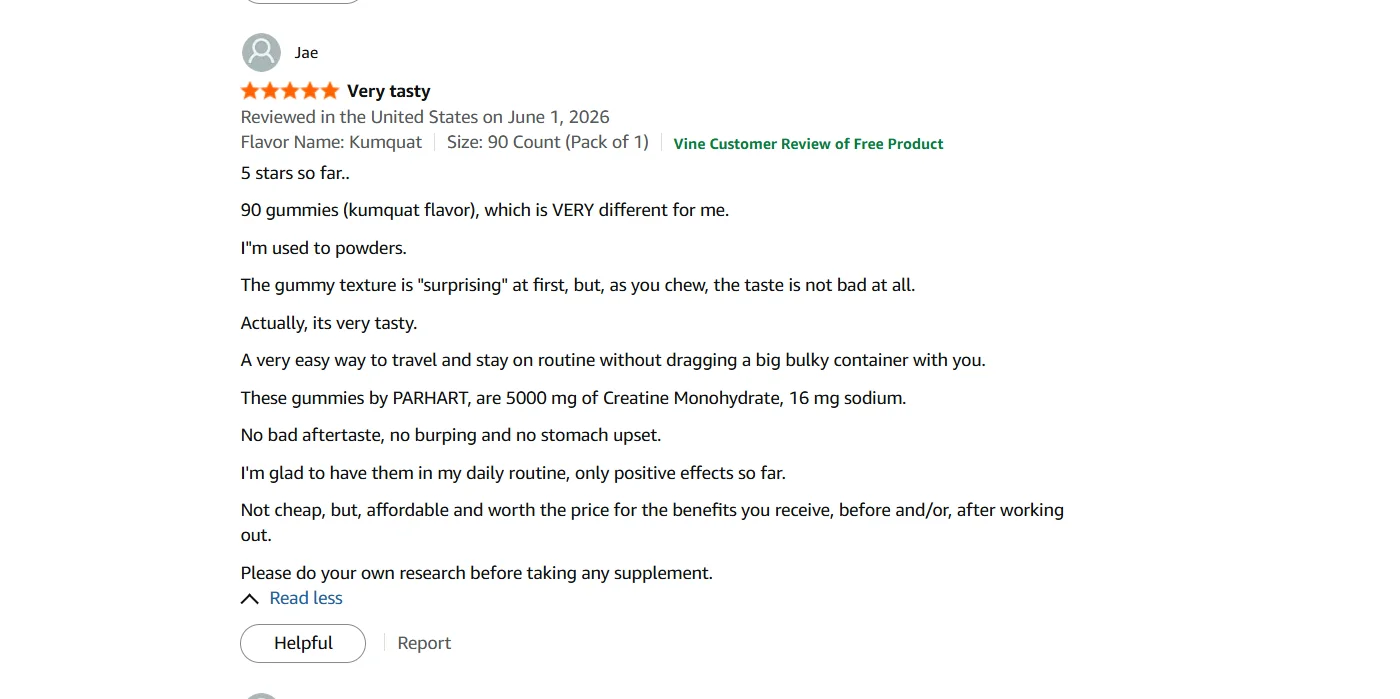
Jae
★★★★★
Very tasty
Reviewed in the United States on June 1, 2026
Flavor Name: Kumquat | Size: 90 Count (Pack of 1)
Actually, it's very tasty. A very easy way to travel and stay on routine without dragging a big bulky container with you. These gummies, are 5000 mg of Creatine Monohydrate, 16 mg sodium. No bad aftertaste, no burping and no stomach upset. I'm glad to have them in my daily routine, only positive effects so far.

From formulation development to scaled production — SUCOTOND supports your full journey.
More About Sucotond
| Key Parameter | Standard Configuration | OEM Options |
|---|---|---|
| Creatine Gummies Ingredients | Creatine Monohydrate | Functional blends such as magnesium, mineral, and vitamins |
| Creatine Gummy Dosage | 5g / Serving | 3–5g+ / Serving |
| Serving Design | 4 Gummies / Serving | 2–5 Gummies / Serving |
| Gummy Weight | 3g / 5g | Custom Weight 3–5g+ |
| Sugar System | Sugar Formula | Creatine Gummies No Sugar / low sugar creatine gummies / Regular Sugar |
| Flavor | Fruit Flavor | Custom Flavors (Strawberry, Mango, Apple, etc.) |
| Shape | Cube | Custom Mold |
| Coating | Sugar Coating | Oil Coating / Sour Powder Coating / Starch Coating |
| Packaging | Bottle / Pouch | Custom Private-Label Packaging |
| Sample Time | 7–14 Days | Confirmed According to Formula |
| Creatine Gummy Testing Support | Batch COA | Third-Party Testing |
| Shelf Life | Confirmed According to Project | Stability Test Verification Time |
| Market Support | Export Documents | US / EU / UK / Australia, etc. |
| MOQ | Confirmed by packaging and formula | Bottle / pouch / bulk |
| Production Lead Time | Confirmed after sample and packaging approval | Project-specific |
| Certification Scope | NSF/ANSI 173 certified standard product | Custom SKU certification confirmed separately |
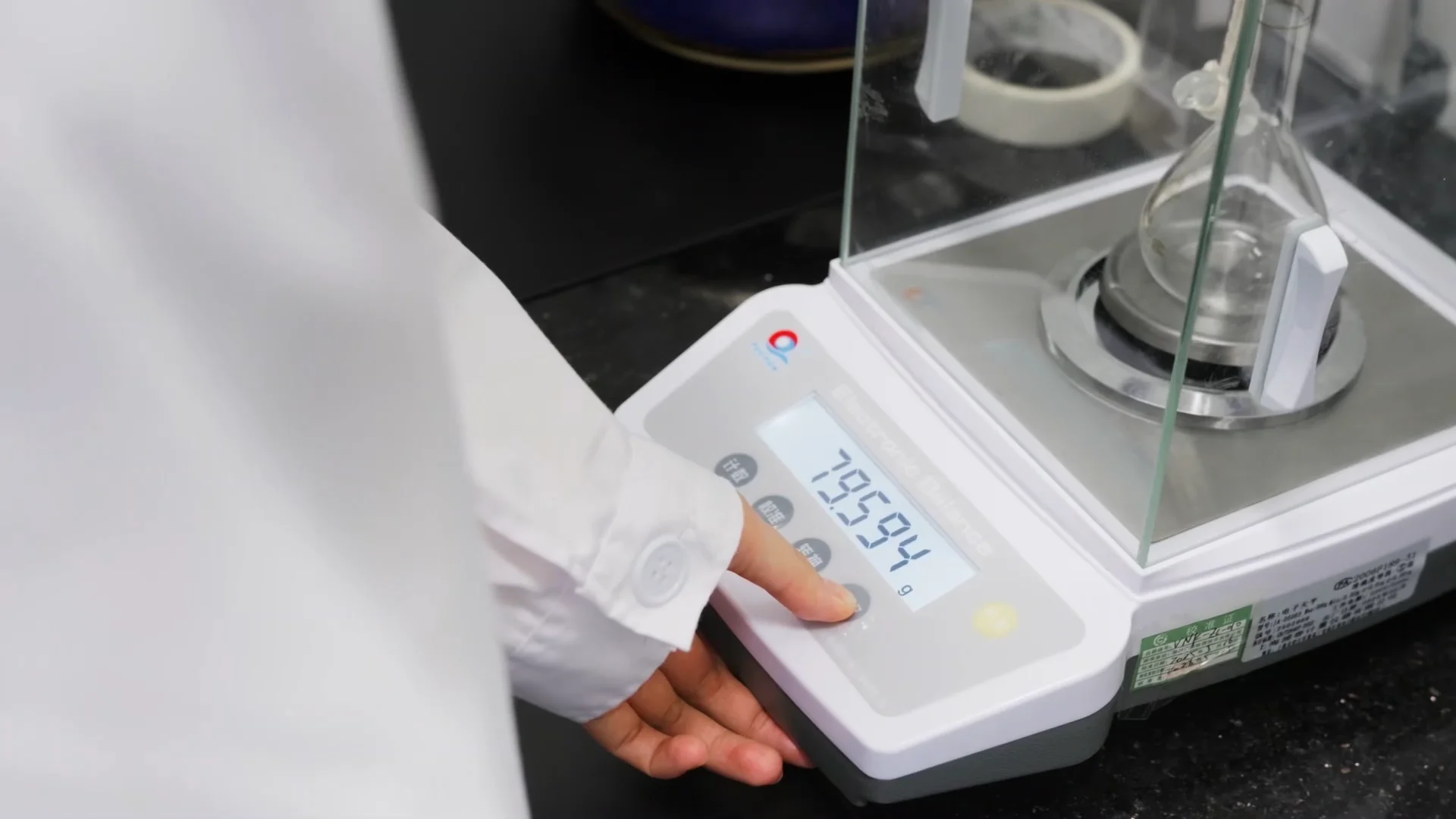
Step-1 Sample Measurement
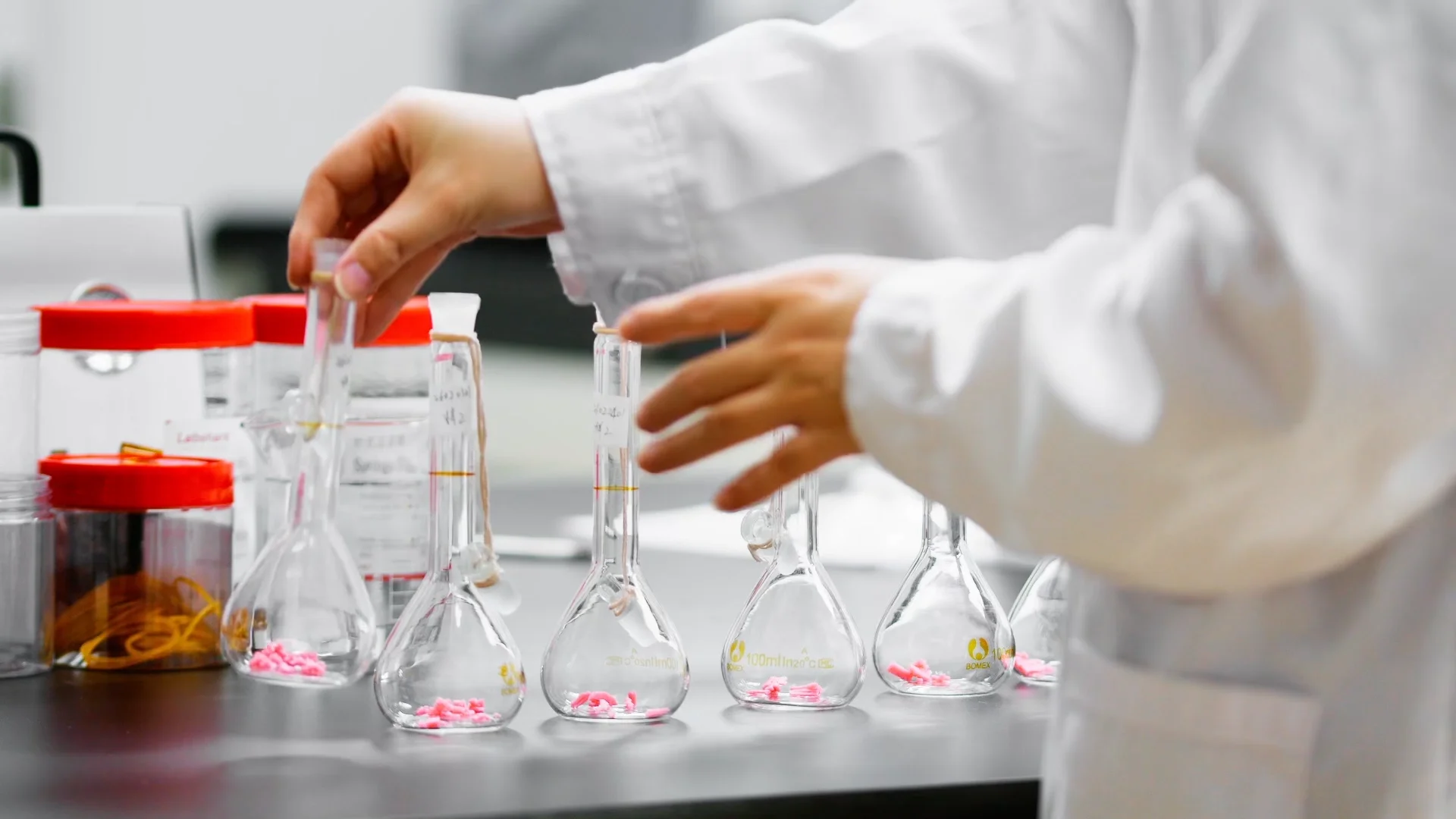
Step-2 Sample Preparation
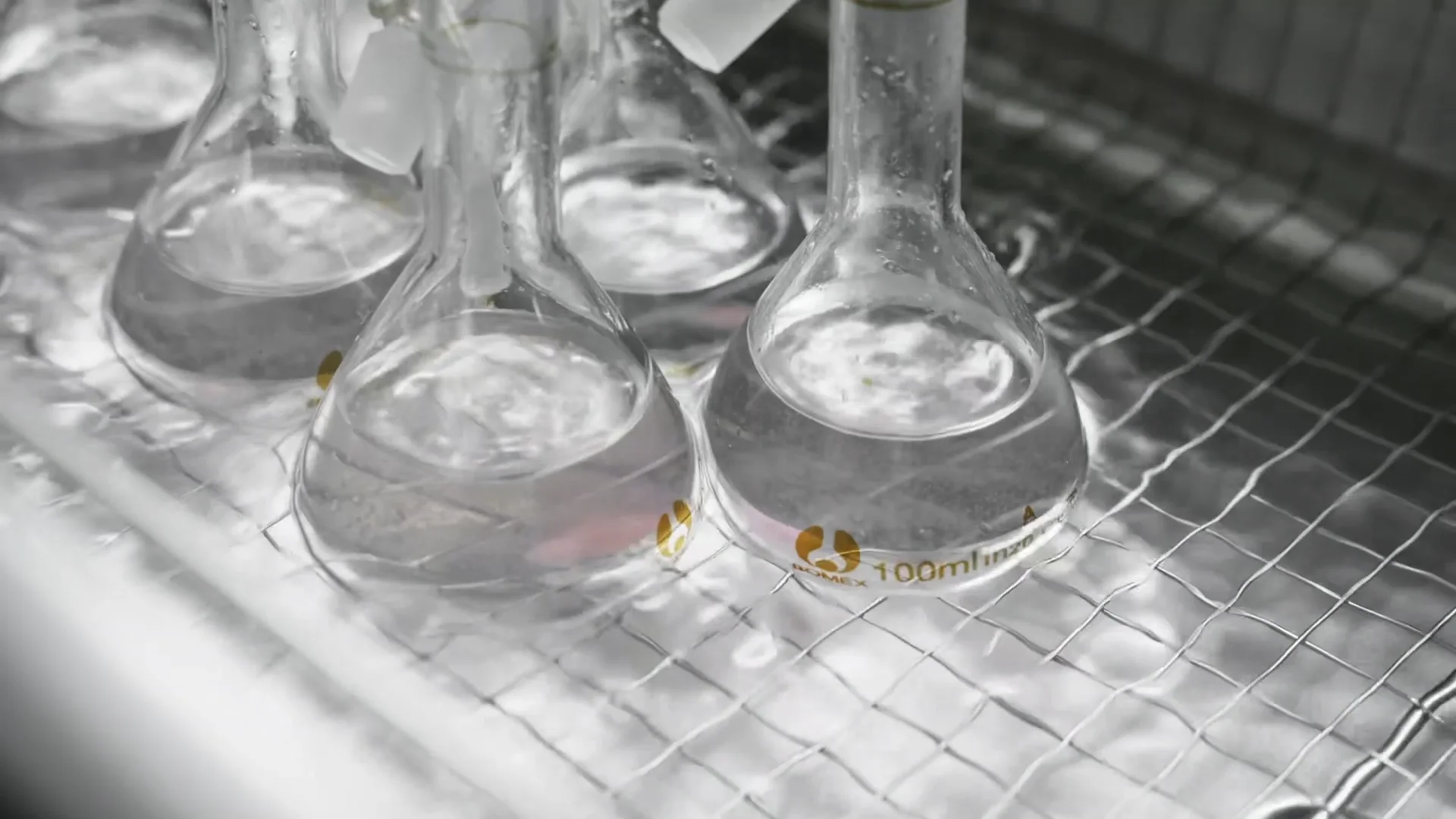
Step-3 Sample Pretreatment
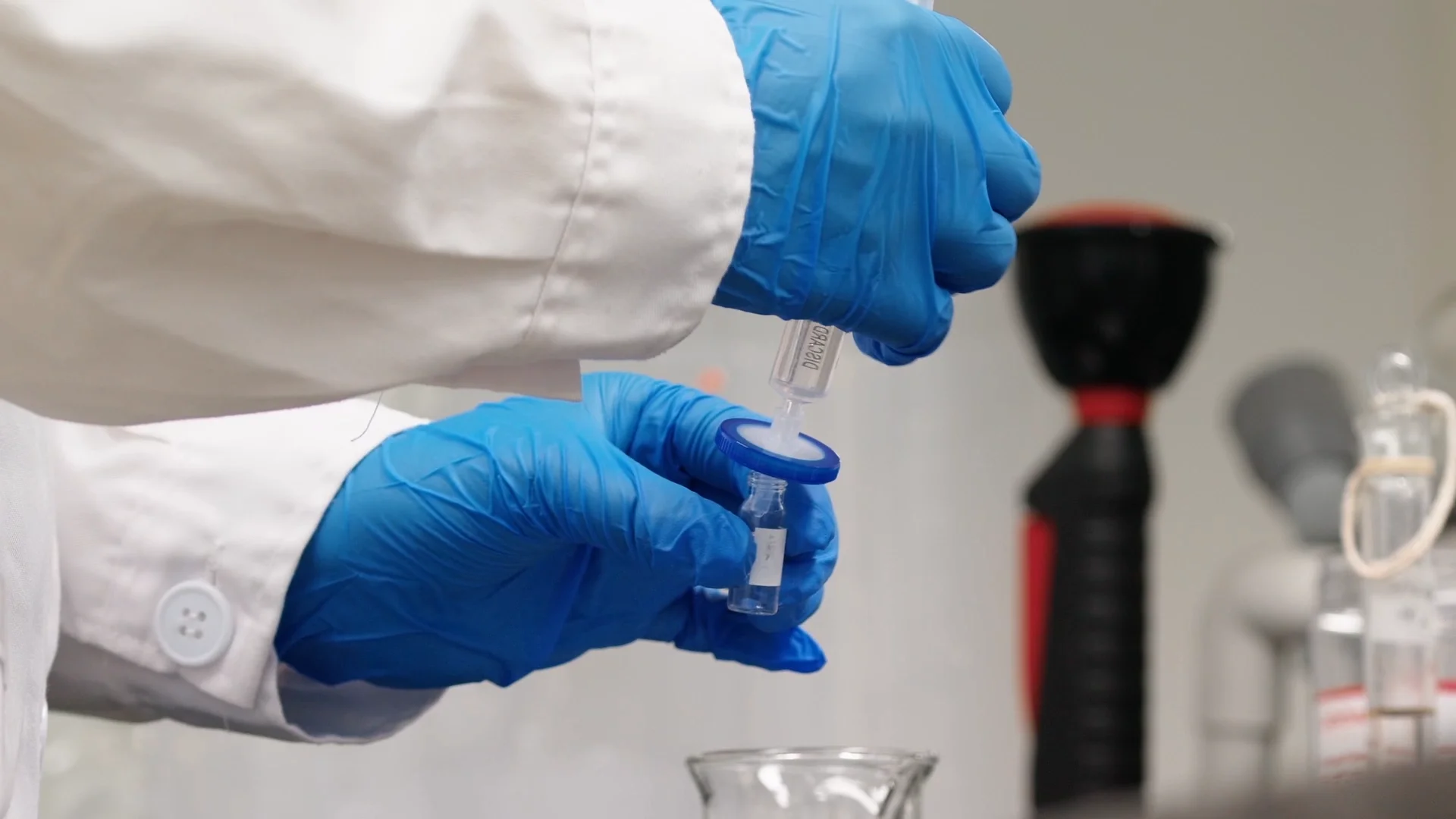
Step-4 Ultrafiltration
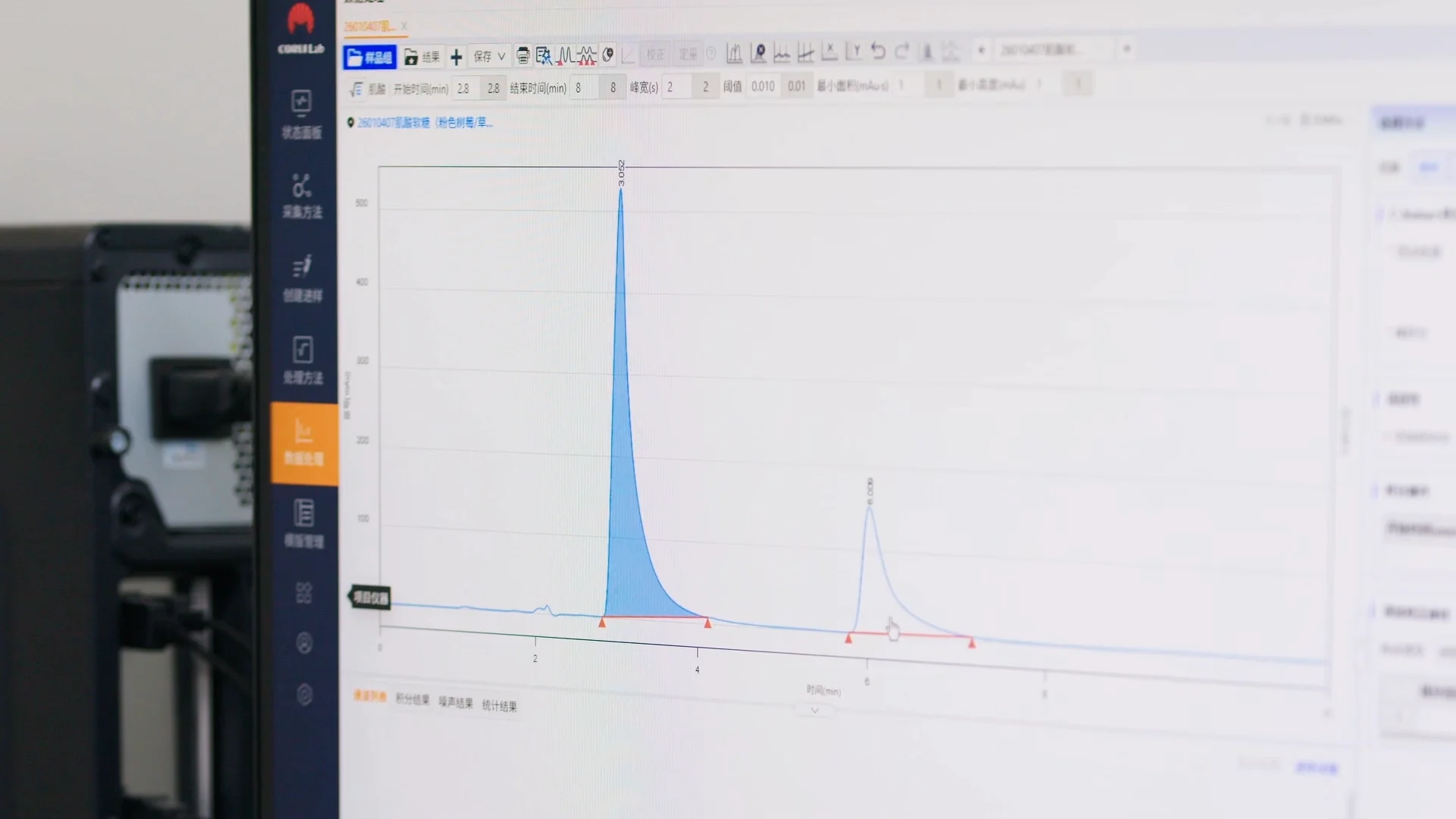
Step-5 HPLC Analysis
Frequently Asked Questions
Common questions about custom gummy supplement manufacturing, private label service, and production support.
Start Your Creatine Gummy Project
Share your creatine gummy requirements — dosage, flavor, packaging, and target market. We will review feasibility and get back to you within 24 hours.
Share your project details — our team will review feasibility, process alignment, and next steps.