
Our Certifications
Click the image to view.


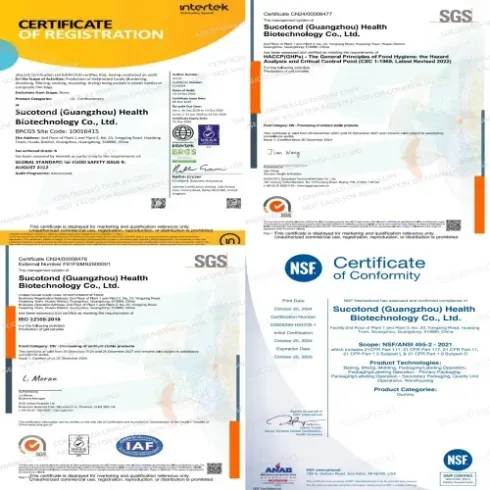
Why You Can Trust Sucotond's Magnesium Gummies
- Our factory has a comprehensive quality system, including NSF/ANSI 455-2 (GMP), HACCP, ISO 22000, BRCGS, and FDA registration.
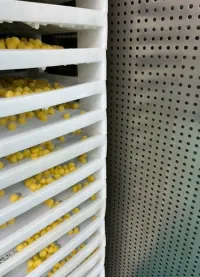
- Sucotond has developed a low-temperature, multi-stage mass-production system for magnesium gummies.
- We have developed dozens of flavor systems specifically for magnesium gummies to mask the taste.
- Sucotond provides a series of documents, from the magnesium glycinate COA to elemental magnesium test reports.
- Our one-stop magnesium gummy solution provides end-to-end services, from formula development to the supply of established products.
Sucotond—Your Magnesium Gummies Supplier
As magnesium gummy supply specialists, we have more than three years of experience producing private label magnesium gummies. We serve global nutritional supplement brands and companies developing their own magnesium product lines.
We use a low-temperature process to reduce losses. We also use a blend of emulsifiers to increase the magnesium loading capacity and the magnesium content per gummy. In addition, we use rapid temperature-control equipment to shorten the cooking time and reduce bitter and metallic tastes. So we can produce gummies with 100 mg of elemental magnesium per gummy while maintaining good taste.
These established solutions and project experience can shorten your project's development cycle. In particular, the development of combination formulas can be completed within one to two weeks. We offer you flexible Magnesium Gummies OEM / ODM options.
Sucotond's Product Series Centered on Magnesium Gummies
You can find established products that fit your project plans. You can also choose custom magnesium gummies with orange or blue colors, mango or blueberry flavors, raspberry or cube shapes, and more. These options help you create exclusive magnesium gummies that set your brand apart.
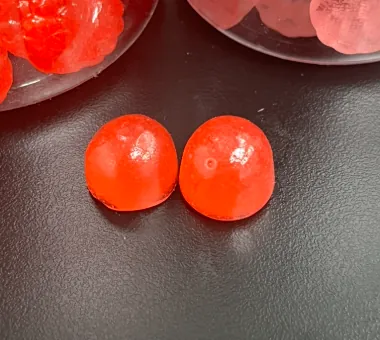
Magnesium Gummies
We use magnesium citrate, which offers good solubility and moderate cost. It is also one of the most commonly used magnesium sources in the industry. This product is suitable for brands looking to quickly enter the magnesium gummy market.
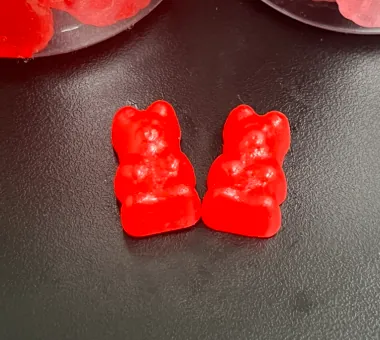
Magnesium Glycinate Gummies
Our premium product made with Magnesium Bisglycinate, also known as Magnesium Diglycinate. Magnesium Bisglycinate Gummies offer low irritation and easy absorption. They can help you build a premium brand.
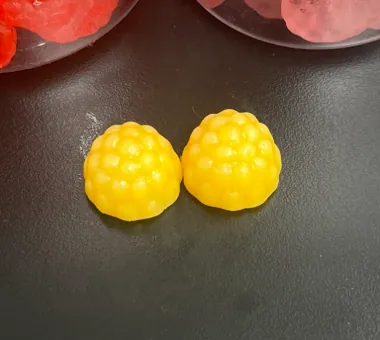
Magnesium Complex Gummies
We combine magnesium citrate, magnesium glycinate, and Magnesium L‑Threonate. These can be marketed as triple magnesium complex gummies, giving your brand a key marketing point.
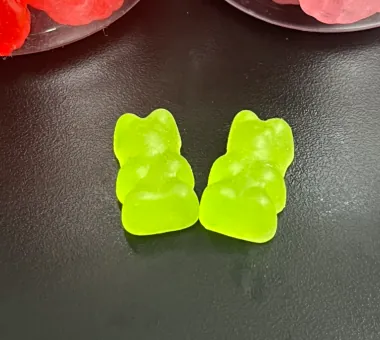
Calcium Magnesium Gummies
We use magnesium glycinate and Calcium Citrate, with the option to add Vitamin D3. This product targets calcium absorption. It is a branch of the magnesium gummy product line and can help your brand build a diverse product portfolio.
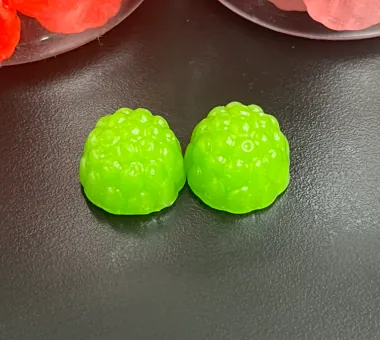
Vegan Magnesium Gummies
Vegan Magnesium Glycinate Gummies for the clean-label market. Made with pure pectin, these gummies can help your brand apply for clean-label claims related to Vegan products, Halal magnesium gummies, and Kosher magnesium gummies.
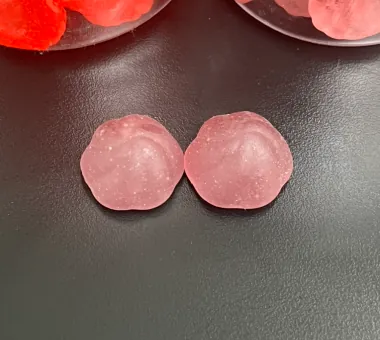
Sugar Free Magnesium Glycinate Gummies
Sugar Free Magnesium Gummies for the low-calorie market. Made with maltitol, erythritol, or similar ingredients, these gummies can help your brand apply for a zero‑carb label claim and address concerns about sugar and high calorie intake.
Sucotond's Advantages in Magnesium Gummies
We divide magnesium gummy production into two areas. For the product, we ensure quality and develop formulas to deliver the magnesium gummy you need. For the project, we optimize production processes and documentation to support the smooth implementation of your magnesium gummy project.

Strict Raw Material Control
We use strict screening and Certificates of Analysis (COA) to ensure the quality of magnesium glycinate raw materials.

Natural Flavor Masking
We use natural berry flavors and ingredient selection to mask the metallic taste of magnesium gummies.

High Magnesium Content per Gummy
Each gummy weighs 3 g and contains 100 mg of elemental magnesium. This is a high magnesium content specification.

Stable Gummy Structure
We blend pectin with plant fibers to maintain a stable gummy texture. The gummies are less likely to melt or deform at high temperatures.

Uniform Ingredient Dispersion
We use a pre-mixing process and continuous stirring to ensure that the magnesium ingredient is evenly distributed.

Mass Production Readiness
We conduct pilot scale-up trials in our factory to ensure that your project is ready for mass production.

Batch Consistency
We control batch-to-batch variation through end-to-end monitoring and ICP testing.

Documentation Support
We provide documents such as raw material COA documents and magnesium content test reports.
Achieving High Magnesium Content Through Raw Material Selection
1. Commonly used magnesium raw materials include Magnesium Citrate and Magnesium Bisglycinate, while Magnesium Taurate and Magnesium L‑Threonate are used for special functions.
2. We do more than check the COA. We also conduct a rapid pH test on an aqueous solution and use titration to recheck the chelation degree. Especially for chelated magnesium gummies, only pure Magnesium Bisglycinate raw material with a chelation degree of ≥80% is accepted into storage. It is then stored at a low temperature and under low-oxygen conditions.
3. For magnesium glycinate gummy production, we also require the raw material powder to be fine enough, with a particle size of D90 ≤ 45 μm.

Process Optimization for Feasible Mass Production
1. Wholesale magnesium gummies require adaptation for mass production. To address sedimentation, we mix magnesium glycinate particles with part of the sugar alcohol solution. We then use high-shear mixing equipment to continuously stir the magnesium gummy mixture.
2. To address the instability of the magnesium glycinate structure at high temperatures, we use external circulation piping and sensors to control the temperature. We also take samples of the magnesium gummy mixture at regular intervals to test the pH and moisture content.
3. We add the ingredients when the temperature is no higher than 60°C and the pH is between 4.2 and 4.8. These are important parameters for your high dose magnesium gummies project.
Resource Center
Catalog Download
We have prepared the Sucotond product catalog for you here. You can click to view and download it. We hope it gives you new ideas for magnesium gummies.
DownloadCertifications Download
We will provide our certification documents, including NSF/ANSI 455-2 (GMP). Showing our actual capabilities is key to building trust in the project.
DownloadVideos
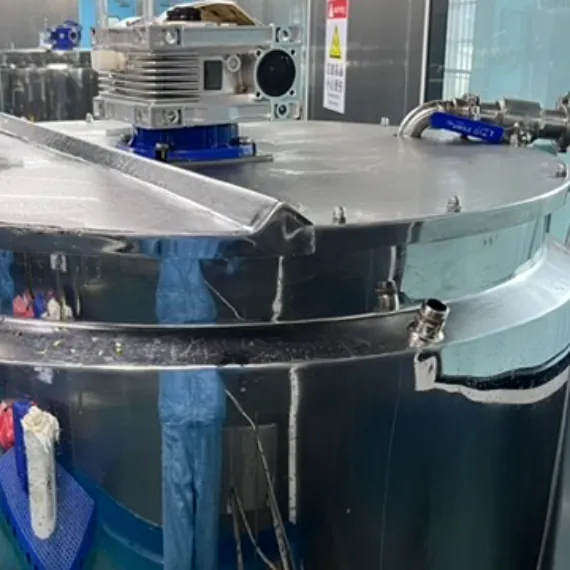
We have prepared a video of our end-to-end project delivery process for your reference. We hope it helps you understand our factory in more detail and learn more about us.
Watch VideoWe are Experienced China Magnesium Gummies Manufacturer
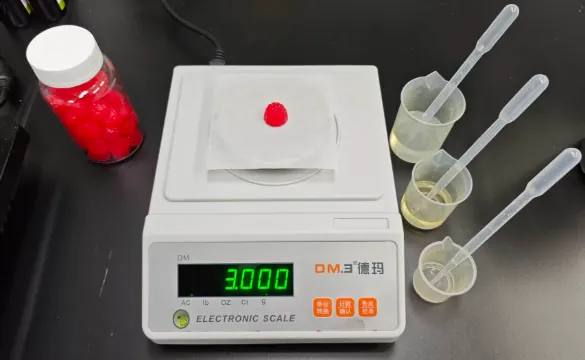
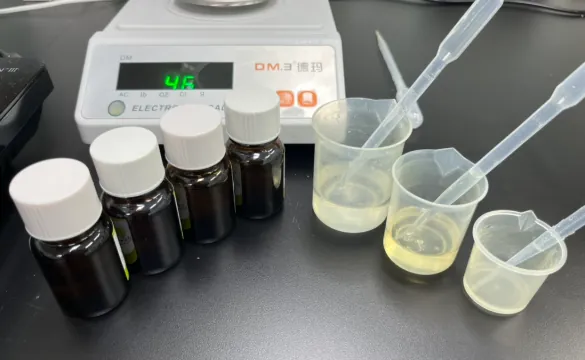
We can offer a higher‑strength specification of 3 g per gummy, two gummies per serving, and 200 mg of elemental magnesium per serving. This corresponds to Magnesium Glycinate Gummies 200 mg. This specification strengthens the advantages of magnesium gummies: Compared with other magnesium supplements, magnesium gummies are "easy to consume" and "taste good".
For consumption, Magnesium Glycinate 100mg Gummies containing 100 mg of elemental magnesium per gummy, the 3 g size is easy to eat in one bite and requires less chewing without increasing processing costs. A two-gummy serving makes daily consumption simpler and long-term use more convenient for consumers. This can support the continued development of your project.
For taste, especially for flavor‑selection of Private Label Magnesium Glycinate Gummies, our sensory tests found that rich berry flavors with the right level of tartness are most effective at masking the metallic and mineral tastes caused by magnesium ingredients. Examples include blueberry magnesium gummies, raspberry magnesium gummies, and wild berry magnesium gummies. This can help your brand improve consumer satisfaction.
Project Applications for Magnesium Gummies Across Different Areas
Magnesium is essential, so many different project directions have emerged within the magnesium gummy category. We have prepared some project references for you and can also discuss ideas for your brand.
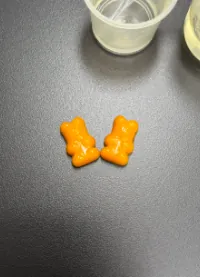
Kids Magnesium Gummies Project
For the development of Magnesium Gummies For Kids, we use magnesium glycinate as the only magnesium source for a gentler formula. Magnesium Glycinate Gummies For Kids are combined with Vitamin D3 and B6 to strengthen the product's vitamin supplementation marketing message for children. This helps your brand expand into this field.

Magnesium Gummies for Adults Project
Magnesium Glycinate Gummies For Adults are one of our main product directions. Magnesium is involved in nervous system regulation and can help reduce work-related stress. They can be positioned as Magnesium Gummies For Relaxation, providing your brand with a product for emotional relaxation.
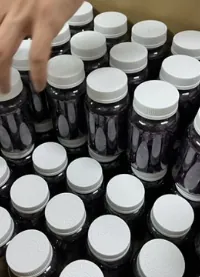
Magnesium Gummies for Sleep Project
For Magnesium Glycinate Gummies with L-Theanine, we add an appropriate amount of Vitamin B6 for sleep positioning. This avoids the dependence and regulatory issues associated with melatonin. Magnesium Glycinate Gummies For Sleep help you create a distinctive sleep product for your brand.
Calcium Magnesium Zinc Gummies Project
Magnesium gummies are a representative type of mineral supplement. We combine calcium, magnesium, and zinc to strengthen the product's mineral supplementation marketing message. This multi-mineral combination helps your brand create a premium mineral gummy project.
Real Market Feedback for Magnesium Gummies
For more than three years, we have optimized our magnesium gummies based on consumer feedback, continuously improving the magnesium content, flavor, and texture for your brand.
 Suwan
SuwanStar: ★★★★★
describe: These taste so very good!
Evaluation Time and Location: Reviewed in the United States on June 17, 2026
Flavor Name: Not shown | Size: 1 Count (Pack of 120)
 Sue K.
Star: ★★★★★
describe: Best Ingredients & Taste!
Evaluation Time and Location: Reviewed in the United States on June 6, 2026
Flavor Name: Not shown | Size: 1 Count (Pack of 120)
RanStar: ★★★★★
describe: Taste great! Work great!
Evaluation Time and Location: Reviewed in the United States on January 5, 2026
Flavor Name: Not shown | Size: Not shown
LaTasha B. MackStar: ★★★★★
describe: Magnesium is gold. These are amazing!
Evaluation Time and Location: Reviewed in the United States on February 15, 2026
Flavor Name: Not shown | Size: 1 Count (Pack of 120)
More About Sucotond
| Key Parameter | Standard Configuration | OEM Options |
|---|---|---|
| Product Range | magnesium gummies / magnesium glycinate gummies | magnesium bisglycinate gummies / magnesium citrate gummies / magnesium malate gummies / magnesium complex gummies |
| Magnesium Source | Magnesium glycinate / Magnesium bisglycinate | Magnesium citrate / Magnesium malate / Magnesium taurate / Magnesium L-threonate / Multi-magnesium complex |
| Raw Material Verification | Raw-material specification / Raw-material COA / Supplier traceability | Chelation document / Branded ingredient document / Customer-specified supplier |
| Elemental Magnesium per Gummy | 50 mg / 100 mg | Custom elemental-magnesium target / High-load formula review |
| Elemental Magnesium per Serving | 100 mg / 200 mg | Custom serving dose / Target-market review |
| Serving Size | 2 gummies per serving | 2 gummy per serving / 3 gummies per serving / 4 gummies per serving |
| Gummy Weight | 3 g per gummy | Custom weight / Active-load alignment / Mold alignment |
| Gummy Base | Pure pectin | Pectin / Gelatin |
| Dietary Format | sugar free magnesium gummies / vegan magnesium gummies | sugar free magnesium glycinate gummies / low sugar magnesium gummies / Reduced-sugar formula / Regular-sugar formula |
| Sweetener System | Isomalt and erythritol | Stevia / Allulose / Isomalt / Erythritol / Blended sweeteners |
| Flavor | Raspberry | Wild Berry / Blueberry Blackberry / Raspberry Peach / Lemon Lime / Orange Yuzu / Mango Citrus / More |
| Taste System | Berry-acid profile / Sweet-acid balance | Mineral taste masking / Metallic-note reduction / Bitterness reduction / Sweetness and acidity adjustment |
| Shape | Available standard mold | Cube / Dome / Gem-Diamond / Rounded Rectangle / Pillow / Custom mold |
| Texture and Finish | Pectin chew / Anti-stick oil and wax finish | Soft pectin / Firmer pectin / Soft-chew style / Matte finish / Light sour coating |
| Combination Formula | Single-magnesium formula | calcium magnesium gummies / calcium magnesium zinc gummies / Magnesium with vitamin B6 / Magnesium with L-theanine / Magnesium with melatonin |
| Pack Count and Net Weight | 60 count at 180 g / 90 count at 270 g / 120 count at 360 g | Custom count / Custom net weight / Physical fill validation |
| Packaging | 250 cc bottle / 400 cc bottle / 550 cc bottle | Standard bottle / Wide-mouth jar / Pouch / Aluminum foil bag / Bulk pack |
| Branding | Basic private-label label | Multilingual artwork / Premium label / Custom printing / Custom bottle / Custom mold |
| Supply Format | private label magnesium gummies | custom magnesium gummies / custom formula magnesium gummies / magnesium gummies OEM / magnesium gummies ODM / bulk magnesium gummies |
| Prototype Lead Time | Approximately 5–15 days | Raw-material availability / Formula complexity / Testing scope / Custom mold |
| Production Lead Time | Approximately 10–20 days | Mature formula / Available ingredients / Available packaging / Custom project approximately 30–120 days |
| Quality Verification | In-house QC / Finished-product COA / ICP-MS elemental-magnesium assay | Third-party testing / Aw / Moisture / pH / Heavy metals / Microbiology / Sensory evaluation |
| Documentation | Product specification / Raw-material COA / Finished-product COA / Ingredient list | TDS / Allergen statement / Stability report / Market‑specific regulatory documentation |
| Stability Program | Final-SKU validation / Up to 24-month shelf-life target | Approximately 3-month accelerated study / 12–24-month real-time study / Packaging validation |
| MOQ | 5000bottles | Project-specific / Formula / Pack count / SKU count / Flavor count / Packaging format / Bulk format |
Frequently Asked Questions
Common questions about custom gummy supplement manufacturing, private label service, and production support.
Start Your Magnesium Gummy Project
Share your magnesium gummy requirements — dosage, flavor, packaging, and target market. We will review feasibility and get back to you within 24 hours.
Share your project details — our team will review feasibility, process alignment, and next steps.