
Our Certifications
Click the image to view.


Product Introduction
High-load gummies give supplement brands a way to deliver stronger functional positioning in a more consumer-friendly format. For categories such as sports nutrition, minerals, and compound nutrition products, the gummy format can improve daily-use convenience while creating more room for flavor, texture, and brand differentiation. At SUCOTOND, high-load gummy development is treated as a manufacturing challenge, not just a label claim. Higher active levels can affect taste, texture, gummy size, serving count, drying behavior, content uniformity, and long-term stability. Our development approach focuses on dose-to-format balance, process compatibility, batch consistency, and real scale-up feasibility. We support private label and custom high-load gummy projects with attention to formulation systems, active ingredient properties, flavor masking, packaging compatibility, quality documentation, and sample-to-production alignment. The goal is to help brands build gummy supplements that are not only marketable, but also manufacturable, consistent, and ready for commercial delivery.
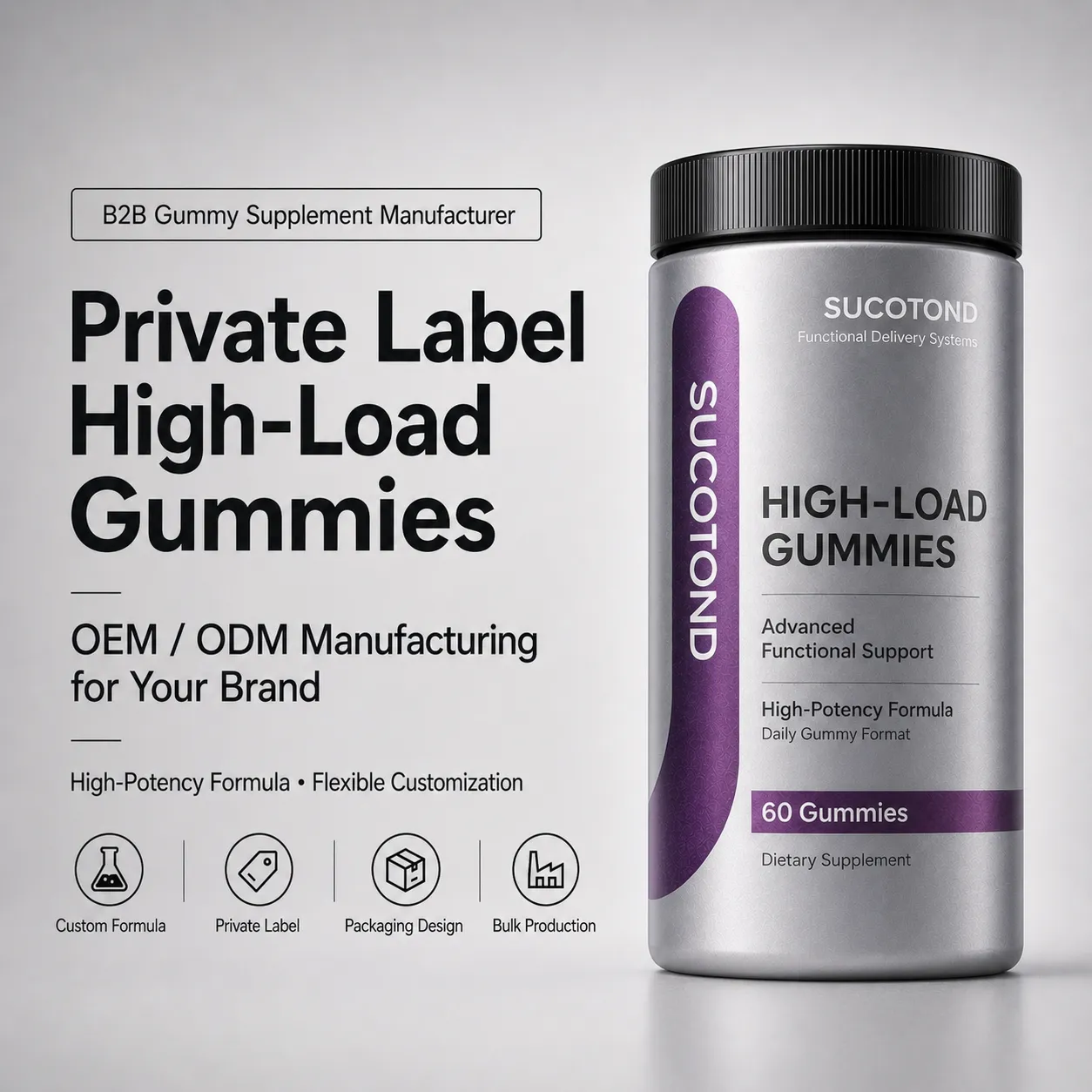
High-Load Gummies
High-Load Gummies developed for brands that require higher active ingredient inclusion, formulation feasibility support, and stable commercial-scale gummy manufacturing.
Product Snapshot
Customization Support
- High active ingredient loading support
- Formula feasibility and texture evaluation
- Flavor masking, color, and chew texture customization
- Sample-to-production alignment and packaging support
MOQ from 5,000 bottles · Samples in 7–14 days · GMP / HACCP certified
Why High-Load Gummies Matter

Market and product direction value
High-dose functional gummies are suitable for products that require higher effective intake, such as sports nutrition, mineral supplementation, and compound nutrition enhancement. These directions have a relatively stable research foundation and consumption scenarios, especially having continuous demand among sports, health care, and nutrition supplement consumers. High-dose gummies are not a short-term concept but a long-term product direction formed around effective ingredient intake, daily supplementation, and functional expression. It is worthy for brands to continuously pay attention to.
Dosage form value
The value of the dosage form of high-dose functional gummies lies in allowing consumers to obtain stronger functional expression in a more friendly gummy form. Compared to powder forms, capsules, etc., gummies do not require mixing or water administration, making them more convenient to use and reducing the consumption experience of traditional supplements. The high-dose direction can, compared to conventional low-dose gummies, carry more effective ingredients while maintaining the convenience of daily use, more directly responding to consumers' demand for functional supplementation.
Brand Differentiation Value
High-dose is not simply increasing the label number, but a comprehensive manifestation of product expression and manufacturing capabilities. Traditional dosage forms for sports nutrition, minerals, and compound nutrition products are often more standardized, while gummies have more expression space in terms of flavor, taste, shape, and appearance. High-dose gummies can form format-level differentiation through formulation and process, and further reflect manufacturing-led differentiation, helping brands establish a clearer product identification.
Key Challenges in High-Load Gummies Manufacturing
Challenges in Active Loading and Formulation Feasibility
The challenges associated with high-load functional gummies increase as the load increases. The higher the amount of active ingredients added, the more likely it is to affect the texture of the gummies, causing problems such as hardness, softness, or increased taste burden. To accommodate more active ingredients, the size of the gummies and the number of particles per serving are also affected, thereby reducing the convenience of consumption. High load may also increase the interaction between the components and the sugar matrix, so it is not only necessary to consider the addition amount but also to assess the feasibility of the overall formulation.
Taste and texture challenge
The high-load direction is more likely to bring bitterness, powder sensation, astringent sensation, odor, or taste burden. This is because some active ingredients have an unfavorable flavor by themselves, and when added in large quantities, the powder sensation and odor are more likely to be amplified, making it more difficult to coordinate with other materials in the gummy system. Taste acceptance is the key to the success of high-load gummies. If the taste and texture are not accepted, even if the content design is high, it will affect repeat purchases and product reputation.
System and process challenges
High load significantly increases the difficulty of the sugar matrix system and process control. Large amounts of active ingredients will change the material properties, increase the difficulty of mixing and system stability; during boiling, some components may be affected by high temperatures; during pouring, drying, and molding processes, high load will also affect fluidity, drying speed, and the final molding effect. Laboratory results may not directly correspond to mass production, and the processing time for mass production is longer, with more problems being exposed.
Consistency and Amplification Challenges
High-load gummies are more likely to have amplification risks between the laboratory and mass production. The laboratory operation time is short, the pot is small, and the variables are easier to control; during mass production, the processing window is longer, the sugar pot is larger, and the stirring and pouring conditions will change. High-load systems may have processing losses, component aggregation, content deviations, and uneven appearance problems. Therefore, the scale-up risk needs to be included in the judgment at an early stage.
High-Load Gummies Specification & Dosage Variables
Load direction
Different dosage levels will affect product positioning, target audience, and manufacturing feasibility. Low dosage products have a more pleasant taste and are suitable for general use, making mass production stable and cost control relatively easier; medium dosage is suitable for mainstream supplementation positioning, requiring a balance between content and taste; high dosage products are more focused on strengthening, suitable for people with clear supplementation needs, but the manufacturing difficulty, cost, and sensory risks will all increase, requiring more targeted process control.
single grain weight
The weight per single particle will affect the high dosage carrying capacity, eating pressure, chewing experience, and packaging display. A smaller weight allows for easier consumption, and the packaging appears more exquisite, but it has limited capacity for carrying active ingredients; an appropriate weight can better balance chewing sensation, carrying capacity, and mainstream packaging compatibility; an overly large weight can carry more ingredients, but it will increase chewing and swallowing burden, occupy more packaging space, and increase the risk of compression deformation.
Quantity per serving design
The number of particles per serving will affect consumer acceptance, dosage expression, and label presentation. A 2-particle per serving dosage expression is simpler and has less consumption pressure, but the manufacturing and quality control difficulty may increase; a 3-particle per serving is more convenient to adjust the dosage and can also distribute the load pressure of a single particle, suitable for more usage scenarios; a multi-particle per serving can be used for family sharing or more flexible dosage design, but it will test the consumer's patience for daily consumption. A reasonable serving count should match the product positioning and market demand.
Dosage and dosage form balance
High dosage hard candies require a dose-to-format balance. It not only needs to carry a high dosage but also needs to take into account the taste, texture, and stability of the hard candy. Simply pursuing a high dosage number may lead to ingredient oxidation and degradation, affected actual effects, poor taste, and decreased consumer acceptance. The truly marketable solution is not necessarily the one with the highest number, but finding a balance between dosage, formulation, and usage experience.
High-Load Gummies Formula & System Considerations
Active system and carrier logic
Under the high loading capacity direction, the physicochemical properties of the active ingredients directly determine the design of the soft candy system and the carrying strategy. Some active ingredients are sensitive to temperature and require process control during the heating stage to reduce damage to the activity; some components are prone to oxidation and need to be considered for stability in system design, packaging, and storage; the interactions between different active ingredients also affect the ratio and product quality. Therefore, the activity properties are the key variables in the design of high loading capacity soft candies.
Basic glycoside system
The sugar-containing, sugar-free, and high-fiber systems will have different effects under the high loading capacity direction. The sugar-containing system has a smooth texture and good stability, but it may cause concerns about sugar intake; the sugar-free system better fits the trends of sugar control and health, but has higher requirements for texture and stability; the high-fiber system can enhance the health attributes, but the texture may be relatively heavy, affecting the acceptance of the texture. The specific choice needs to be combined with product positioning, target population, and market demand.
colloidal systems
Different colloid systems will affect the texture, industrial compatibility, and stability of high loading capacity soft candies. Gelatin has good elasticity and is relatively easy to shape, but it is not resistant to high temperatures, and it will be restricted in cross-border transportation and the vegetarian market; pectin has a soft texture and high stability, with more process control points; starch gel has a lower cost and strong industrial compatibility, but the texture may be relatively hard; mixed gel can balance taste and mass production, but the technical requirements are higher.
Flavor System
The high loading capacity direction requires a stronger flavor system design. A large number of active ingredients can easily bring off-odors, bitterness, or powder sensations, and the flavor system needs to undertake the role of covering the odor of raw materials and enhancing palatability. Flavor is not only a question of "whether it tastes good" but also affects the repeat-use potential. Flavors that are suitable for long-term acceptance are more likely to help consumers form daily usage habits and repeat purchases.
Color and Surface Treatment System
Color and surface treatment will affect the sophistication, functional perception, and terminal acceptance of high loading capacity products. Soft and natural tones can reduce the stereotype of supplements and form a fresher product perception, but the stability of natural colors still needs to be determined through testing. In terms of surface treatment, coating with oil can prevent sticking but may bring an oily sensation; coating with sand will enhance the snack-like sensation; proper powder treatment can form a frosted sensation, closer to the positioning of dietary supplements.
Manufacturing Fit for High-Load Gummies
From prototype development to mass production adaptation
The successful development sample of high-load soft candies does not mean that there is no risk for mass production. The development sample is usually completed under conditions of small equipment, strong stirring, and short cycles. Smaller quantities are more likely to succeed; however, during mass production, equipment is scaled up, stirring efficiency changes, pouring time is prolonged, and the production environment becomes more complex. The high-load components may exhibit uneven content, oxidation, or oil precipitation due to heat transfer and stirring limitations. Therefore, it is necessary to determine the real manufacturing compatibility as early as possible.
Process compatibility
The high-load direction will significantly affect boiling, pouring, drying, cooling, and the overall process window. Some high-load components may oxidize or deactivate at high temperatures, and unevenness may occur during pouring, and oil precipitation or premature decomposition may occur during drying. If the actual process cannot be stably achieved, even if the concept has a high content and a good formula, it is difficult to form a commercial product. Therefore, manufacturing fit is more important than conceptual performance.
Feasibility of Reproducible Production
High-load soft candies require special attention to repeatability, batch control, and long-term commercial stability output. The high-load system involves multiple steps such as raw material acceptance, boiling, drying, molding, and finished product testing. Any deviation in any step may affect the product. Some nutritional supplements are also prone to uneven dispersion, oxidation decay, or content fluctuations. Long-term commercialization is not a single batch success, but stable and repeated production.
High-Load Gummies Packaging Compatibility
Packaging format matching
The packaging form of high-load soft candies needs to match the product stability and usage scenarios. Bottle packaging has better sealing and support, which can prevent the effects of squeezing and light exposure, and is convenient for taking and counting, making it suitable for products with high stability requirements, long-term use, or for home stockpiling; bag packaging is lighter and has a lower cost, suitable for trial use or portable scenarios, but is more prone to sticking, squeezing deformation, and long-term quality risks.
Specifications and display match
The design of single-grain size and portion quantity will affect packaging display, label presentation, and functional perception. Small single-grain size makes the packaging appear to have a larger quantity, suitable for universal expression; large single-grain size can highlight the sense of portion and high content, but may increase the inconvenience of consumption. The design of each portion quantity and portion quantity will also affect label annotation, dosage distinction, and consumption perception, and needs to be reasonably designed based on product characteristics and market demands.
Long-term display and storage and transportation adaptability
The high-load system, surface condition, and product condition will all affect packaging, transportation, and storage performance. Some nutritional supplements may be lipid-soluble, prone to oxidation, or sensitive to temperature and humidity, so the packaging needs to have certain moisture-proof, heat insulation, and protection capabilities. If the surface treatment is improper, the soft candies are prone to sticking and affecting the appearance. For products with a smooth texture, the packaging also needs to provide sufficient support to reduce deformation caused by transportation stacking and jolting.
Quality & Verification in High-Load Gummies Manufacturing
Content authenticity
The high-dose direction requires greater attention to the consistency between the delivered content and label presentation. If the actual content of a high-dose product does not match the label, it will affect consumer rights, brand reputation, and market trust. Some nutritional supplements also have issues with oxidation degradation or difficulty in content control, and more verification is needed to confirm the actual deliverable content. In this direction, one should not only pursue inflated figures but ensure consistency between actual delivery and label expression.
Batch consistency
The high-dose direction must ensure both the delivery of active ingredients and the consistency of flavor, color, texture, and usage experience. The active ingredients of high-dose products are complex, and some components are prone to uneven dispersion or oxidation changes. Active ingredient delivery is the foundation; at the same time, consumers will also pay attention to the stability of taste, appearance, and texture. If there are significant batch differences, it will reduce acceptance and trigger quality concerns.
Document and validation support
The production control of high-dose gummy candies is complex, and structured records, COA, testing plans, and verification logic are all very important. Structured records can record key production steps to provide a basis for traceability; COA can serve as a quality certificate; testing plans and verification logic are used to confirm indicators such as active ingredient content and stability. For the high-dose capability page, these contents can demonstrate that the product is not just a concept but has corresponding quality support.
Manufacturing and labeling consistency
The final mass production of high-dose gummy candies needs to be consistent with the development goals, label direction, and customer expectations. The development goals determine the expected quality and direction of the product, the label direction affects consumer understanding, and customer expectations relate to project delivery. If the three are inconsistent, it will affect satisfaction and brand reputation. Through process control and verification, ensuring that the mass-produced products are consistent with the previous goals is an important requirement for high-dose projects.
Consumer Experience in High-Load Gummies
Taste and acceptance
High-dose gummies should not be judged solely by the active ingredient content; their taste, texture, and daily-use acceptance should also be considered. Even if the active ingredient content is high, if the taste is poor or the texture is not good, consumers will find it difficult to persist. Good taste and texture are the entry points for daily use, which can make consumers more willing to continue consuming, thereby truly realizing the nutritional supplement value.
Convenience and long-term use
High-dose products need to strike a balance between consumer convenience and functional expression. Gummy form does not require mixing, and there is no swallowing difficulty like capsule products. Combined with the chewing experience and sweet and sour flavors, it is easier to establish a daily usage habit. In the high-dose direction, it is necessary to simultaneously meet the content expression and convenient use requirements, avoiding the impact on long-term persistence due to dose pursuit.
Branding and Terminal Performance
High-dose gummies can help brands establish a stronger consumer-facing format differentiation. Compared to traditional supplements, gummies convey nutrition with a more friendly eating experience and are also easier to form taste and appearance memory points. A good terminal experience will affect repeat purchases and help brands form a clearer identification in the same product category.
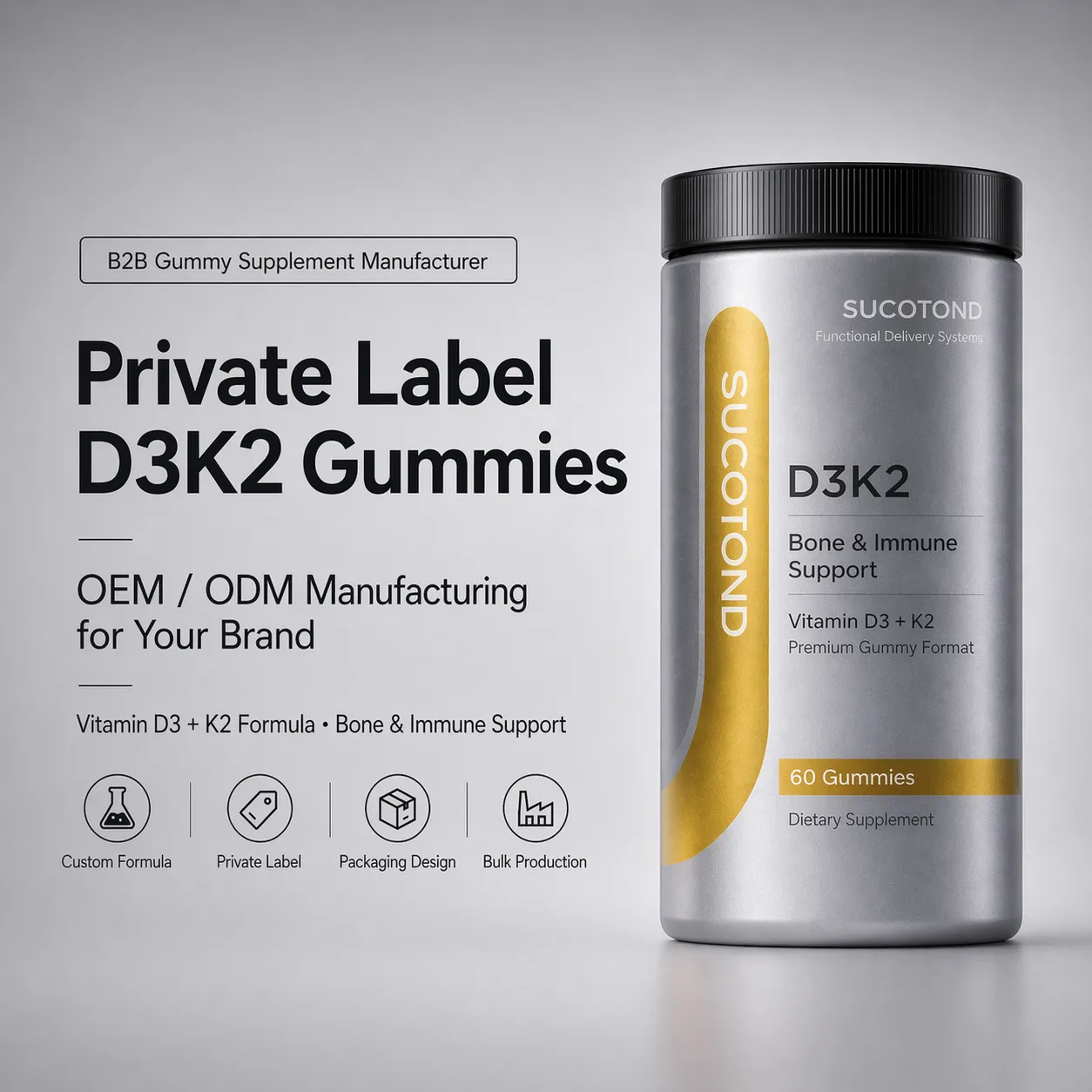
Vitamin D3 K2 Gummies
Explore More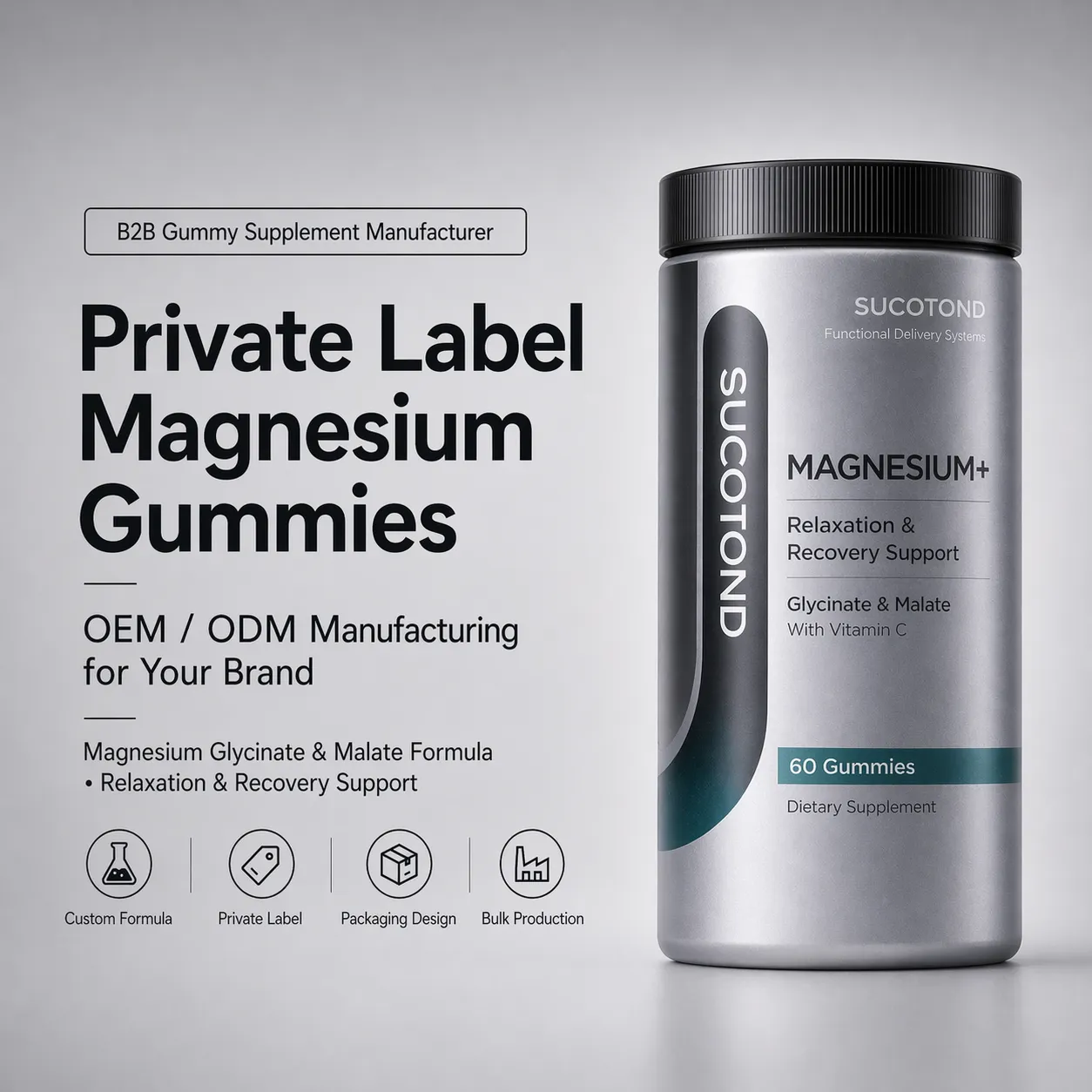
Magnesium Gummies
Explore More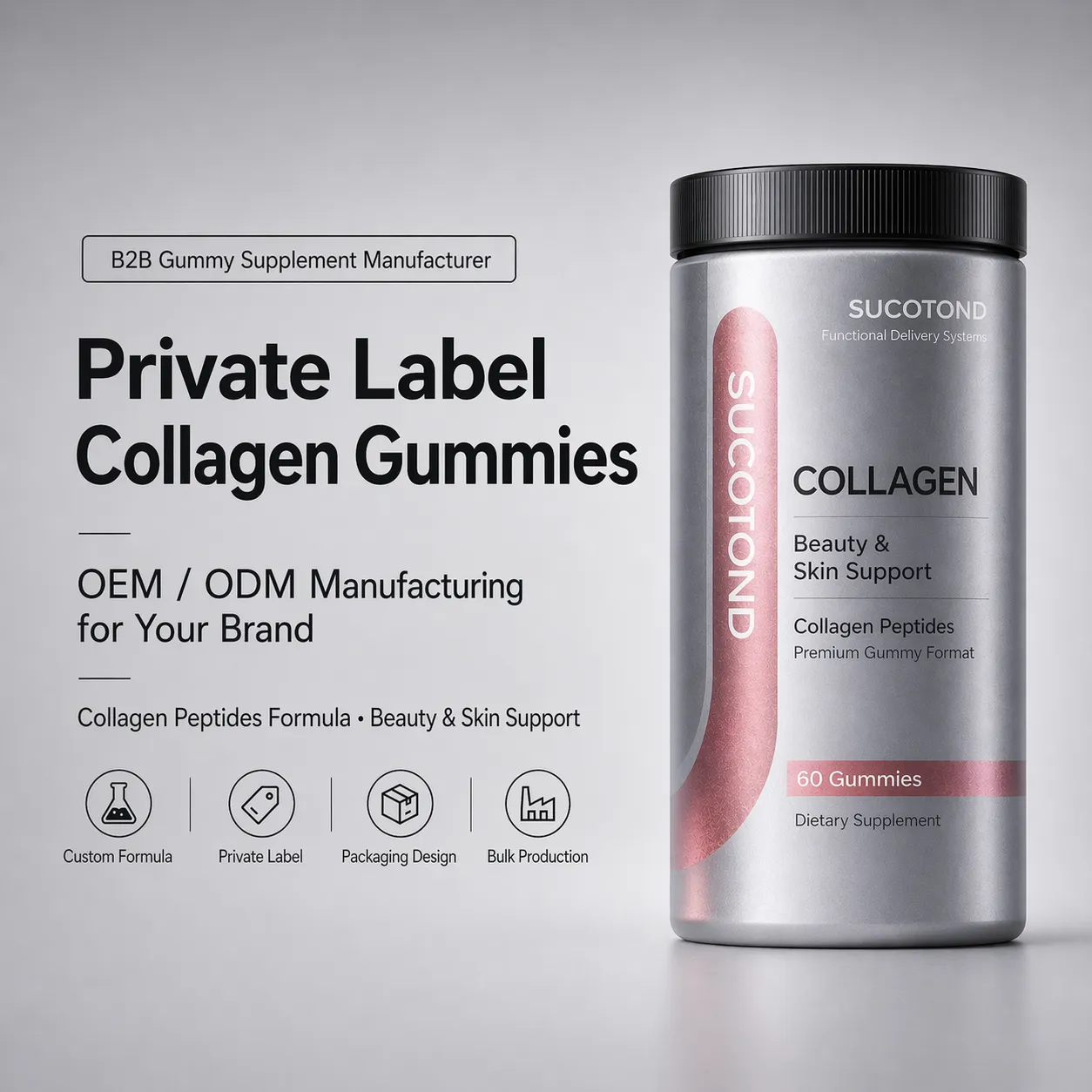
Collagen Beauty Gummies
Explore MoreFrequently Asked Questions
Common questions about custom gummy supplement manufacturing, private label service, and production support.