
Product Development
Why Strain-Specific Probiotics Matter in Gummies

The strains used in probiotic gummies vary widely. Product development requires more attention to strain specificity.
Using strains without supporting evidence can cause a product's actual effects to differ from your project design and may even harm your brand's reputation.
So, I will help you understand strain specificity and apply this knowledge to your probiotic gummies project to create a more competitive product.
Common Strain Types and Their Specificities
Probiotic products have a long history of development, so many well-established strains are already available on the market. These include strains with specific benefits for gut or lower digestive tract health.
If you want to develop specialized gummies around a specific benefit, selecting well-established commercial strains based on their characteristics is an efficient approach.
However, a matching benefit alone does not mean a strain can be used. Strain specificity goes beyond specific effects. It also includes target users, supporting research, dosage, processing tolerance, and other differences that are often overlooked.
Therefore, we recommend taking some time to learn about different strains before developing probiotic gummies. More targeted strain selection can give your product a more professional and premium image in the eyes of consumers.
So, for the popular topic “Best Probiotic On The Market”, we have put together some strains we believe are worth considering for product development.
| # | Strain | Strain Designation | Characteristics |
|---|---|---|---|
| 1 | Lacticaseibacillus rhamnosus | GG(LGG) | Extensive clinical research; High market awareness; Established use in children; Established use for digestive health |
| 2 | Saccharomyces boulardii | CNCM I-745 | Yeast-based, with acid and oxygen tolerance; Strong differentiation; Extensive gastrointestinal research; Established commercial use |
| 3 | Bifidobacterium longum | 35624 | Gut-focused; Clearly defined effective dose; Recognized as a premium strain |
| 4 | Lactiplantibacillus plantarum | 299v | Notable benefits for bloating; Established clinical use; High brand recognition |
| 5 | Bifidobacterium animalis subsp. lactis | BB-12 | Wide commercial use; A representative Bifidobacterium strain; Long history of use |
| 6 | Bifidobacterium animalis subsp. lactis | HN019 | Research on bowel movements; Clear positioning for bowel regularity; Suitable for adult products |
| 7 | Limosilactobacillus reuteri | DSM 17938 | Well known in the children's market; Clear strain-specific evidence; Extensive research in infants and young children |
| 8 | Lactobacillus acidophilus | NCFM | Long commercial history; Good compatibility in blends; Established market recognition |
| 9 | Bacillus subtilis | DE111 | Spore-forming, with high processing tolerance; Room-temperature stability; |
| 10 | Bacillus coagulans | Unique IS-2 | Spore-forming, with high processing tolerance; Research on gut health |
The strains listed above are commonly used in probiotic product development. Their ranking is based on our development experience, considering factors such as maturity, benefits, and published research. It does not mean one strain is better than another. Their specific applications in projects are discussed below:
#1 Lacticaseibacillus rhamnosus GG(LGG):
It is one of the most extensively researched commercial probiotic strains worldwide, particularly in children, diarrhea, and gastrointestinal health. There is also evidence supporting its use in six-month-old infants.
Given its extensive research background and high market awareness, it is our number one recommended probiotic for developing standard children's products.
#2 Saccharomyces boulardii CNCM I-745:
This is a well-established commercial strain with a history of medicinal use. As a fungus, it is unaffected by conventional antibiotics that target bacteria. It is mainly used for diarrhea and gut microbiota imbalances.
Therefore, probiotic gummies developed with this strain can be taken alongside antibiotics, giving your brand a probiotic product with a unique advantage to promote.
#3 Bifidobacterium longum 35624:
This strain is highly targeted toward IBS (irritable bowel syndrome). It is also recommended in the guidelines of the WGO (World Gastroenterology Organisation).
Its targeted benefits and official research backing can help you develop specialized probiotic gummies for IBS and chronic bloating support.
#4 Lactiplantibacillus plantarum 299v:
Like #3, this strain offers IBS support. It also has evidence showing that it helps improve non-heme iron absorption.
When you develop probiotic gummies for women, vegetarian probiotic gummies, or products for people with anemia, this strain offers a strong basis for product differentiation and storytelling. Products using this strain can also be developed alongside iron gummies.
#5 Bifidobacterium animalis subsp. lactis BB-12:
As the most commercially established Bifidobacterium strain with the most clinical literature, it is widely used worldwide. Published research covers its use across all age groups.
Its main strengths are not specialized benefits, but maturity and high compatibility. It can help you develop probiotic gummies for lower digestive tract support and oral health that can reach the market quickly, or develop multi-strain products.
#6 Bifidobacterium animalis subsp. lactis HN019:
This strain has been extensively studied for intestinal transit and bowel regularity. It has a good regulatory profile and a relatively low cost.
Therefore, it is suitable for developing cost-effective, mass-market probiotic gummies for bowel regularity support.
#7 Limosilactobacillus reuteri DSM 17938:
This strain can produce reuterin, a broad-spectrum antimicrobial substance, to help inhibit harmful bacteria. It also has extensive research in infants and young children, particularly for infant colic.
Its well-validated use in infants and young children gives it a targeted advantage in this area. This can be a strong selling point for your children's probiotic gummies.
#8 Lactobacillus acidophilus NCFM:
Highly resistant to gastric acid and bile salts, this strain can successfully reach the small intestine. Beyond regulating the gut microbiota, it also has the unique ability to help improve lactose intolerance.
It is an excellent choice if you want to develop products specifically for people with lactose intolerance or create multi-strain probiotic gummies.
#9 Bacillus subtilis DE111:
Its spore structure provides strong stability during drying, storage, and food processing. It can also secrete enzymes such as proteases, amylases, and lipases to aid digestion.
Therefore, beyond developing probiotic gummies for digestive health, its tolerance allows for more formulation options and lower processing costs during manufacturing.
#10 Bacillus coagulans Unique IS-2:
Like #9, this is a spore-forming strain with very high stability. It can help with functional gastrointestinal disorders.
Its main advantages are stability and low cost, making it suitable for your brand's cost-effective products. It is also an ingredient we often recommend for probiotic gummies for gut health.
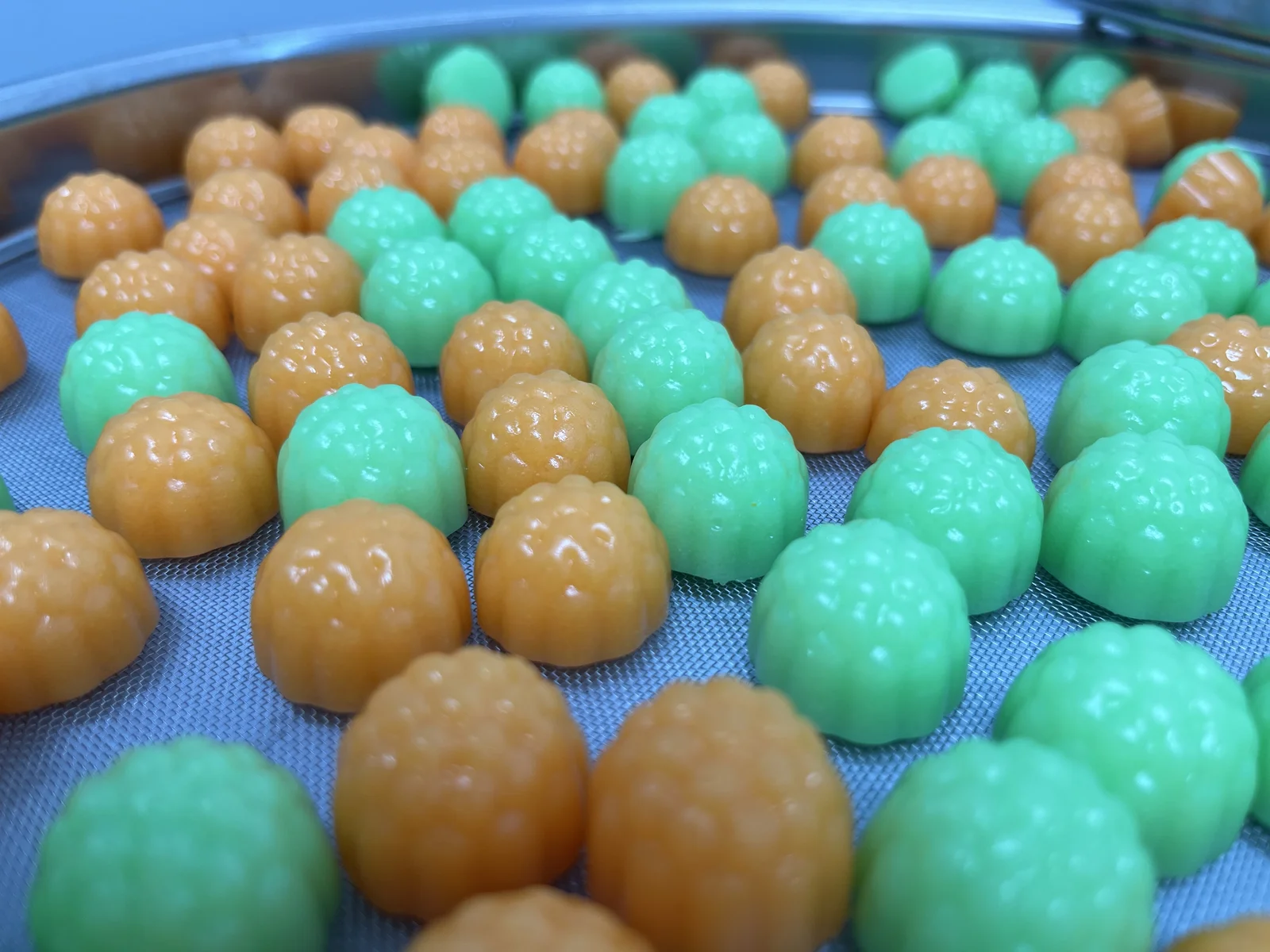
In summary, both #3 and #4 offer IBS support, but their benefits differ significantly. Likewise, #9 and #10 are both spore-forming strains suited to probiotic gummies with different functional focuses.
Therefore, we believe strains are not always interchangeable. Taking strain specificity into account is essential for creating products with a unique advantage.
Strain-Specific Factors That Determine Suitability for Gummies
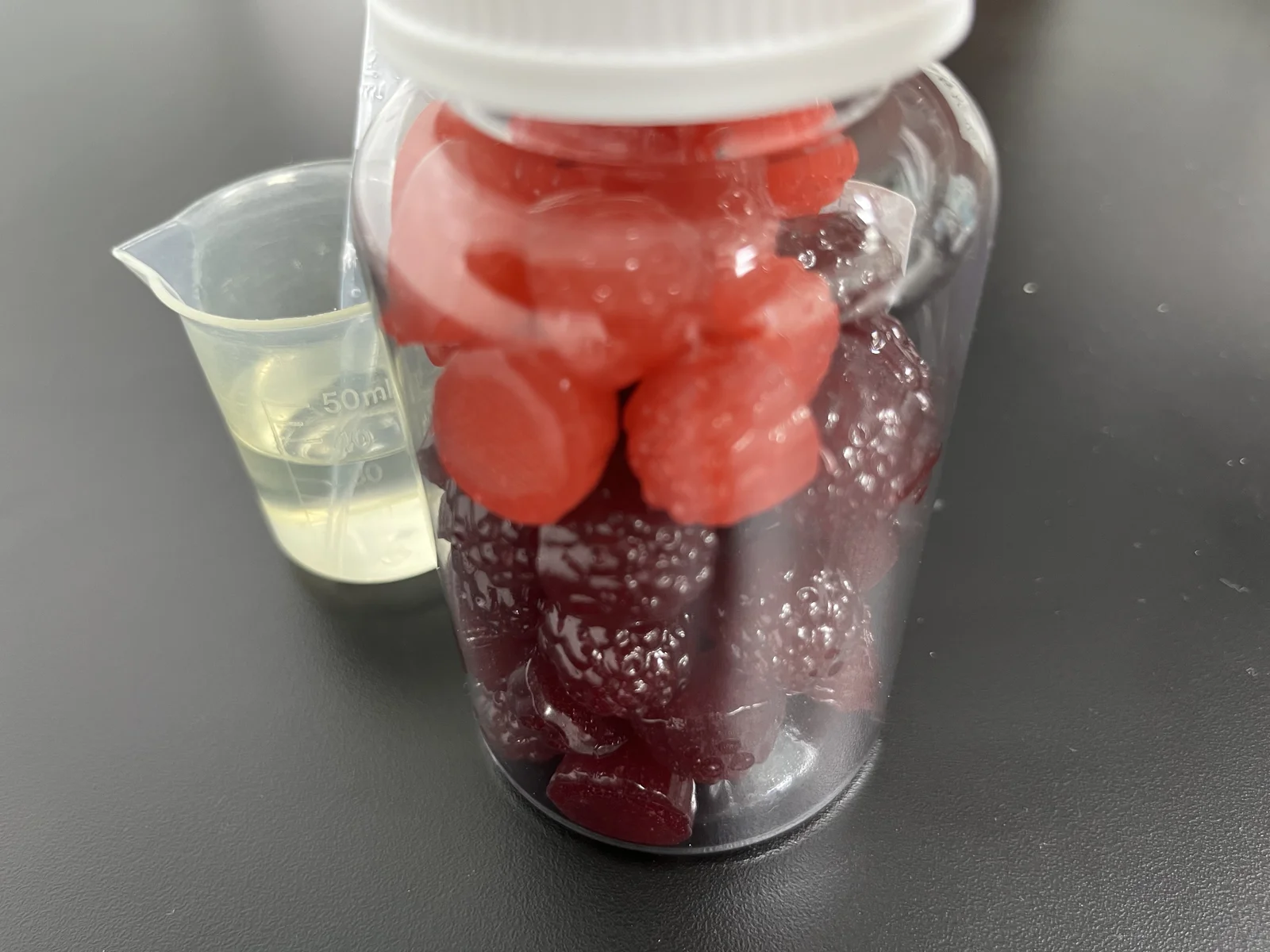
A strain may be highly effective, but our development goal is probiotics in gummy form. You therefore also need to consider the strain's overall characteristics.
On one hand, gummies are positioned as food rather than medicine. Claims on the finished product's packaging should not simply repeat claims about the strain's benefits.
On the other hand, strains with poor heat or acid tolerance may pose challenges during gummy manufacturing. They may require technologies such as encapsulation, adding extra steps and costs.
Therefore, to address the question “What Makes A Probiotic Not Your Average?”, we have put together the following table for your reference:
| Criteria | Advantages |
|---|---|
| Clear Strain Identification | Strain designation provided Raw material supplier information available Targeted strain benefits |
| Clinical Evidence | Defined user groups Defined functional focus Studied dose |
| Dosage and Safety | Evidence supporting CFU per serving Risk warnings for special populations Raw material review reports and methods |
| Processing Tolerance | Heat tolerance Acid tolerance Tolerance to high osmotic pressure |
| Shelf-Life Stability | High retention of viable cells over time Clear specifications on the label Stability test data available |
Please note that this is not a standard you must follow, and no single strain meets every criterion above. This table can help you understand the key considerations, reduce repeated checks, and lower strain screening costs.
In practice, probiotic gummies projects often require trade-offs.
For example, Lacticaseibacillus rhamnosus GG (LGG) offers distinct advantages in strain information, evidence, and dosage, but it also has limited processing tolerance. Encapsulation and low-temperature addition are therefore important ways to address this limitation.
Therefore, provided that safety and other requirements are met, you can work with your probiotic gummies manufacturer to adapt the production process to your project, for example, by addressing tolerance limitations.
How to Choose a Strain with the Right Characteristics for Your Project

Once you understand strain specificity, you will move on to the comparison stage. Compare the effects of probiotics from two brands to select raw materials for your probiotic gummies project. You can try the following approach:
-
First, compare strains within the same category, such as those that both support lower gut health. This keeps both within the same functional framework.
-
Next, consult strain literature, COA documents, and other sources to identify the doses used in research for each strain. Keep your benefit comparisons within this dosage framework.
-
Finally, prioritize strains backed by clear research and literature. Compare clinical differences and results, such as improvements in digestion or increases in bowel movement frequency. Then select the most suitable strain with the relevant characteristics.
So, you could discuss a plan for scaling up production with the manufacturer of your probiotic gummies. Evaluate the strain data, make and test samples, and keep adjusting the process and parameters to develop a mass production plan.
The table below helps you design products for your probiotic gummies project, starting with selecting a strain with suitable characteristics:
| Criteria | Key Considerations | Product Design |
|---|---|---|
| Health Goals | Target users Health focus Use cases |
Define a clear area of focus Consider ingredient combinations and a secondary benefit |
| Specific Probiotics | Genus Species Strain designation Human studies Suitable user groups |
Choose strains that match the target function Use strains supported by human studies Specify the composition of multi-strain products |
| Dose per Serving | CFU per serving Daily intake |
Set target CFU based on strain studies Define per-serving and per-gummy specifications Allocate CFU to each strain in multi-strain formulas |
| Additional Ingredients | Prebiotics Postbiotics Dietary fiber Vitamins Minerals Herbal ingredients |
Build ingredient combinations around the target function Assess ingredient load, texture, and stability with the manufacturer |
| Shelf Life | Initial CFU CFU at the end of shelf life Rate of decline |
Include an end-of-shelf-life CFU claim on the label Specify room-temperature or refrigerated storage Jars with moisture and oxygen barriers are best |
Developing probiotic gummies Based on Specific Strains
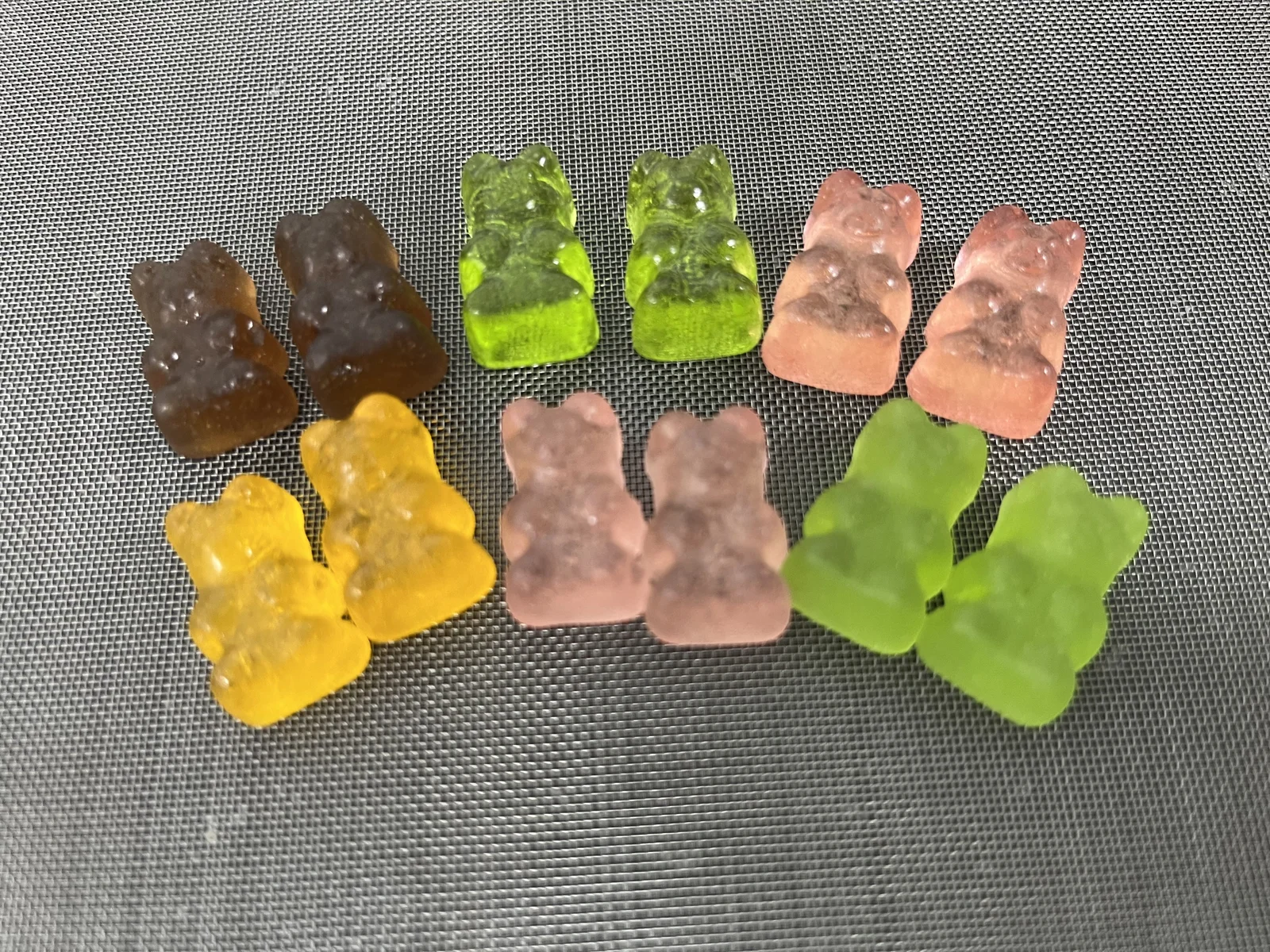
You can use different types of strains as ingredients to develop probiotic gummies for different benefits.
However, you need to coordinate with your manufacturer on formulation, specifications, and regulations to ensure your project moves smoothly into commercial production.
So, in this final section, we have prepared an overview of some common, popular products for your reference to help you quickly bring your project ideas to life.
Lactobacillus Gummies
Lacticaseibacillus rhamnosus GG (LGG) is commonly used to develop lactobacillus probiotic gummies. Common development targets are 1-10B CFU per serving and 2 gummies per serving.
These can be used to develop gut health and immune support products for your brand, including children's versions.
However, you still need to check target-market regulations with your manufacturer. Claims involving specific branded ingredients require authorization.
L Reuteri Gummies
Limosilactobacillus reuteri is well researched for gut health support, especially in children. It is suitable for developing lactobacillus reuteri gummies for children. You can also consider developing them alongside Vitamin Gummies.
For example, you can use Limosilactobacillus reuteri DSM 17938. The development target is relatively low, commonly around 200M CFU.
Pediatric research on this strain was already available in 2012. You can use it to develop distinctive products for children's gut health.
Lactobacillus Acidophilus Probiotic Gummies
You can use Lactobacillus acidophilus as an ingredient, with NCFM as a specific strain option, to develop probiotic gummies. A common development target is 1-10B CFU per serving.
This strain is already well-established in digestive support products. You can also consider combining it with Bifidobacterium strains to create a premium product offering comprehensive support.
Probiotic Gummies With Bacillus Coagulans
For a spore-forming ingredient, we recommend Bacillus coagulans Unique IS-2. Its stability allows you to consider higher CFU counts and a wider range of formulations when developing probiotic gummies.
It offers advantages in both cost and time efficiency. Therefore, it can reduce reliance on microencapsulation and make mass production easier for your project.
FAQ
1. Are Probiotic Gummies Effective?
Gummies can deliver probiotics. The gel network formed by pectin or gelatin can hold the strains in place.
After a gummy is consumed, the gel melts in the gastrointestinal tract and releases the probiotics. This delivers the strains to the gut, where they can act.
Therefore, you need to focus on the retention of viable probiotics. Simulated gastric testing can provide an initial assessment.
2. Do Probiotic Gummies Expire?
As food products, gummies do expire. Their shelf life is typically around 12 to 24 months, though poor conditions such as high temperatures may shorten it.
However, when developing products with different specifications and counts, you need to consider not only the shelf life of probiotic gummies but also the retention of viable probiotics throughout that period.
Viable counts often decline before the product expires. Accelerated stability testing can help you assess shelf life.
3. How Do Probiotic And Fiber Gummies Compare To Traditional Supplements?
The main difference is the experience of taking them. The strain-carrying capacity of probiotic fiber gummies is limited, making it difficult to achieve benefits through regular use over a period of time.
The main advantages of gummies are that they do not feel like taking medicine, are convenient to use, and are suitable for all consumer groups. Their pleasant taste and enjoyable chew further strengthen these advantages. You can discuss product design with your manufacturer to strengthen these features in chewable probiotic gummies.
4. How Should I Take Probiotics For Best Results?
To address this common consumer question and help probiotics reach the gut, we have put together the following methods. You and your manufacturer can consider and apply them, for example, by including the information on the packaging to respond to consumer needs.
-
Follow the label instructions to match the target CFU intake in the strain's research literature.
-
Take daily for continued intake and long-term changes in gut microbiota.
-
Take before meals, when gastrointestinal pH is relatively higher, to improve strain survival.
-
Store correctly to slow the decline of viable probiotics.
5. What Defines The Best Plant-Based Probiotic Products?
Plant-based products need to be considered from several angles. The strain's culture medium is the easiest to overlook. For example, even if a strain is not of animal origin, using beef extract or fish peptone in its culture medium can affect the plant-based claim.
Therefore, you should ask the strain ingredient supplier for documents confirming the sources of the culture medium and carriers. You also need to check whether the only change was replacing gelatin with pectin.
A pectin base, plant-derived oils or waxes, and strains grown in plant-based culture media together form a quality plant-based probiotic gummies product. Verifying all three elements through documentation is essential.
Final Thoughts

Factors like benefits, published research, dosage, and processing tolerance define strain specificity. Each directly affects how probiotic gummies are developed, mass-produced, and ultimately rated by your consumers.
Sucotond as a probiotics gummy supplier, we have extensive experience in international gummy projects .
Contact us to share your ideas for your probiotic gummies project. Let's bring them to life together.