
Our Certifications
Click the image to view.


Beetroot Gummies with Measurable Specifications
- Beetroot Powder and Extract Specification Review
- Per-Serving Beetroot and Nitrate Definition
- High-Load Dispersion and Depositing Trials
- Betalain Color Checks with L*a*b*
- Earthy Aftertaste and Texture Optimization
- Finished-Product Testing and Batch Traceability
Beetroot Gummies with Defined Dose and Nitrate Specifications
Beetroot gummies are chewable supplements made with beetroot powder, juice powder or extract. For supplement brands, the main challenge is matching the ingredient form to a practical serving size. Different materials can produce different actual inputs under the same label claim, while high powder loads may cause oversized gummies, grittiness or unstable depositing. Earthy aftertaste and changes in natural red color can also make samples difficult to reproduce during commercial production.
For your private label beetroot gummies, Sucotond checks the raw-material COA, carrier and nitrate basis before calculating the batch input. Pilot runs compare dispersion, depositing behavior, gummy weight, pH, Aw and L*a*b* color, then lock the approved ingredient specification, serving size and sensory reference into one production baseline for repeat orders or future supplier changes.
Custom Beetroot Gummies Options
SUCOTOND separates each Beetroot Gummies SKU by a real difference in raw material, serving load, nitrate specification, sugar system or complementary actives. This gives your range a clearer formulation basis than relabeling the same beet gummies with different names.
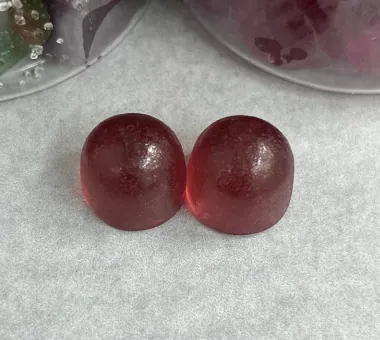
Beetroot Extract Gummies
Develop beetroot extract gummies around a defined extract specification and actual input per serving, while confirming concentration, carrier, color, flavor and nitrate basis before finalizing serving size.
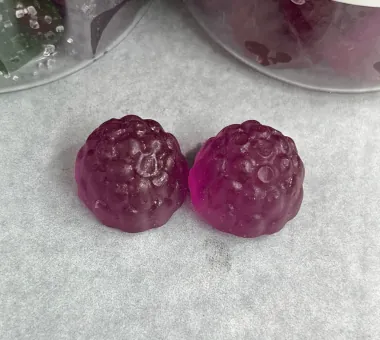
High-Strength Beetroot Gummies
For higher beetroot targets, Sucotond first evaluates actual solid load, gummy weight and one- or two-gummy serving options. Dispersion, hot-mass viscosity, depositing, drying and flavor are then adjusted around the selected load.
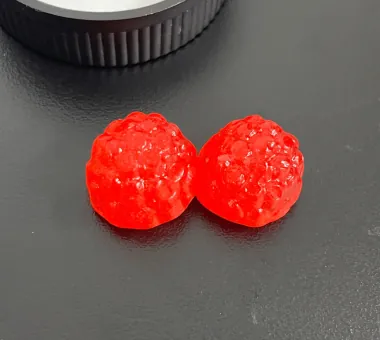
Nitric Oxide Beet Root Gummies
Nitric oxide beet root gummies are chewable supplements formulated with nitrate-specified beetroot powder or extract. Serving strength, gummy count, pectin or gelatin base, and berry flavor can be customized.
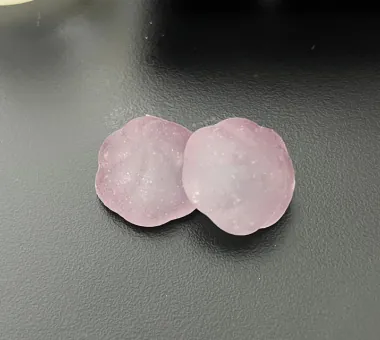
Sugar-Free Beetroot Gummies
Sugar-free beetroot gummies combine beetroot powder or extract with a sugar-free sweetener system. Choose pectin or gelatin, berry or pomegranate flavors, and customizable serving strengths for your sugar-conscious consumers.
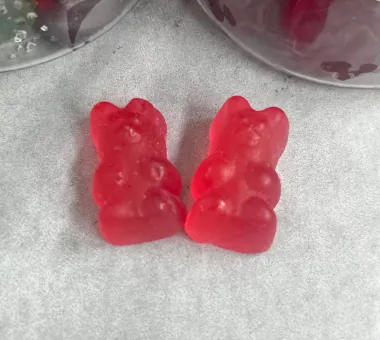
Organic Beetroot Gummies
Organic beetroot gummies feature certified organic beetroot powder or extract, compatible gummy bases and natural fruit flavors. They suit organic-focused supplement ranges, subject to finished-product certification requirements.
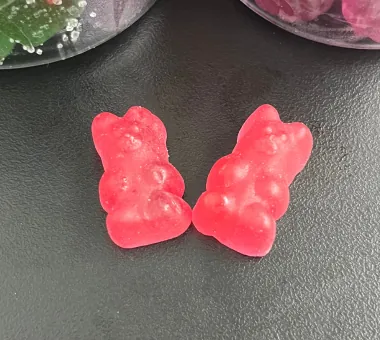
Beetroot Blend Gummies
Combine beetroot with L-citrulline, tart cherry, pomegranate, vitamin C, folate, vitamin B12 or other complementary ingredients. Each addition changes total active load, flavor balance, serving size and finished-product testing requirements, so the blend is developed as a separate formulation.
Two Beetroot Gummy Development Cases
Beetroot gummy projects can look similar on the label but require different technical decisions when ingredient load, raw-material specifications, color and sensory performance change. These two development scenarios show how the formulation path changes before scale-up.
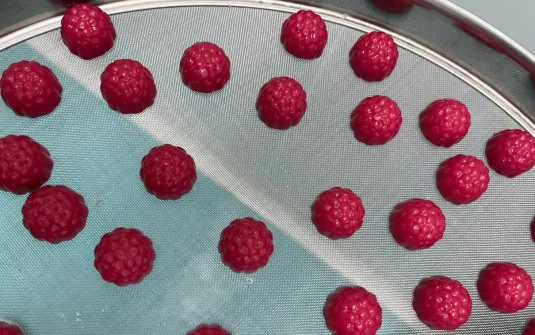
U.S. High-Load Beetroot Gummy Project
Sucotond compared the actual powder load with gummy weight and hot-mass viscosity, then adjusted powder dispersion, depositing conditions and a berry-pomegranate flavor system to reduce grittiness and earthy aftertaste. Beginning, middle and end samples were compared for weight and appearance before the serving format was approved. The two-gummy direction provided a more practical route to the target load without relying only on a larger front-label milligram number.
German Beetroot Extract Supplier-Change Project
Sucotond reviewed the new COA, carrier, concentration and nitrate basis before recalculating input. A pilot batch then compared dispersion, pH and L*a*b* color values with the approved reference instead of copying the previous feeding amount. The revised raw-material specification and pilot results were linked to a new production baseline, giving subsequent batches a defined reference after the supplier change.
Resource Center
Catalog Download
You can view and download our product catalog here to gain a comprehensive understanding of the gummy categories we offer. We believe you will be pleasantly surprised.
DownloadCertifications Download
You can view and download our certificates and reports here. Internationally recognized certifications and unified standards are our most sincere assurance to you.
DownloadVideos
You can take a look at our factory, production lines, and products here. Seeing is believing, and we're committed to building your trust through every possible means.
Watch VideoMore About Sucotond
| Parameter | Development Range / Option | Project Requirement |
|---|---|---|
| Beetroot Form | Whole powder / juice powder / dry extract / standardized extract | Confirm supplier specification before formulation |
| Dose Basis | Actual input / documented extract equivalent / defined nitrate specification | Define before label and sample approval |
| Beetroot Input | Approx. 300–1,000 mg/serving as a development reference | Higher targets require solids-load and serving trials |
| Serving Size | 1–2 gummies or project-defined serving | Match dose, gummy weight and daily use |
| Gummy Weight | Approx. 2.5–4.0 g | Finalize after load and depositing trials |
| Gummy Base | Pectin / gelatin | Match vegan and texture requirements |
| Sugar System | Standard / reduced sugar / sugar-free | Revalidate texture, drying and water activity |
| Flavor | Berry / pomegranate / dark cherry / tart cherry / custom | Screen against earthy beetroot aftertaste |
| Color | Beet-led red / dark berry / natural color strategy | Establish an approved color reference |
| Typical pH Target | Approx. 3.2–3.8 development window | Finalize by gel system, flavor and color stability |
| Water Activity Target | ≤0.60 where formula data support it | Confirm after drying and during stability |
| Shape | Bear / drop / cube / custom mold | Match target weight and deposit volume |
| Packaging | Bottle / pouch / blister | Evaluate moisture, oxygen and light protection |
| Shelf-Life Target | Common commercial target: 18–24 months | Use only with supporting finished-product stability data |
| Test / Control | Method / Control Point | Project Purpose |
|---|---|---|
| Raw-Material Identity | Supplier specification + COA + batch verification | Confirm the approved beetroot form and lot |
| Ingredient Input | Batch weighing + production records | Verify actual formula input |
| Nitrate, If Specified | Validated ion chromatography or agreed analytical method | Verify the defined nitrate specification |
| Betalain / Betacyanin, If Specified | HPLC-DAD / UV or agreed validated method | Track a color-related marker when required |
| Pb / Cd / As / Hg | ICP-MS or another suitable validated method | Set target-market and serving-based limits |
| Microbiology | Applicable compendial methods | Set finished-product release criteria |
| Gummy Weight | In-process gravimetric check | Control per-piece consistency |
| Batch Sampling | Beginning / middle / end of depositing | Check within-batch consistency |
| pH | Calibrated pH meter | Monitor gel and acid system |
| Water Activity | Aw meter | Support drying and storage control |
| Color | Lab colorimeter + approved reference | Track red-color shift between batches |
| You Provide | Example | Why It Matters |
|---|---|---|
| Target Market | US / EU / UK / Other | Determines label and testing requirements |
| Beetroot Form | Powder / juice powder / extract | Changes load, color and mouthfeel |
| Target Amount | 500 mg / 1,000 mg / custom | Determines serving architecture |
| Dose Basis | Actual input / extract equivalent | Prevents ambiguous label claims |
| Nitrate Requirement | None / defined specification | Determines raw material and testing plan |
| Gummies per Serving | 1 / 2 | Controls per-piece active load |
| Target Gummy Weight | Standard / larger custom piece | Determines load and mold selection |
| Sugar Requirement | Standard / reduced sugar / sugar-free | Changes gummy and drying system |
| Vegan Requirement | Yes / No | Determines gummy-base options |
| Flavor Direction | Berry / cherry / pomegranate / custom | Used for masking trials |
| Additional Actives | L-citrulline / tart cherry / vitamins / custom | Changes total solids and testing |
| Color Direction | Beet-led red / dark berry / custom | Used for color-reference development |
Choosing Beetroot Powder, Juice Powder or Extract for Gummy Production
The first decision is not gummy shape or flavor, but the beetroot material that will actually enter the formula. Beetroot powder, beetroot juice powder and beetroot extract can differ in concentration, carrier, particle size, color and physical load, so they should not share one purchasing specification.
Whole beetroot powder usually introduces more plant solids and may create stronger earthy notes or visible particles. Juice powder can differ in soluble solids and flavor, while a dry or standardized extract may reduce physical load but requires its concentration and carrier to be defined.
Before comparing beetroot supplements, request the ingredient specification, processing form, carrier, moisture, particle characteristics and batch COA. For procurement, compare the actual beetroot material and its specification rather than relying on how beetroot gummies or beet gummies are described on the front label.
Beetroot Milligrams and Extract Equivalents
The selected raw material determines what the milligram number on the finished product can legitimately represent.
A 1,000 mg claim may refer to 1,000 mg of actual beetroot material, a smaller quantity of concentrated extract represented as a documented equivalent, or another specified calculation basis. These are not technically interchangeable.
This difference is particularly important when comparing beetroot powder gummies with beetroot extract gummies. The powder may occupy considerably more formulation space even when two products display similar numbers on the label.
Before artwork approval, define: ingredient form → actual input → extract ratio or equivalent basis → declared amount per serving.
This prevents the formulation from being designed around a marketing number that does not accurately describe the physical material being added. The next specification is nitrate, which should be kept separate from total beetroot milligrams.
Nitrate Content and Nitric Oxide Beetroot Gummies
Total beetroot content does not automatically tell you how much nitrate a serving delivers.
Nitrate concentration can vary with beetroot source, processing and raw-material specification. A 500 mg or 1,000 mg beetroot serving therefore cannot be converted into a nitrate value unless the ingredient has supporting data.
For nitric oxide beetroot gummies, define: beetroot source → nitrate concentration → actual ingredient input → nitrate per serving.
If nitrate is central to the product specification, agree on the analytical method before finalizing the label. Ion chromatography or another validated method appropriate to the ingredient and finished gummy matrix may be evaluated.
This makes two suppliers easier to compare. Instead of asking which product shows the larger beetroot number, you can ask which supplier can document the raw-material basis and verify the nitrate specification required by your project.
Beet Root Gummies Dosage and Serving Design
With the dose basis clear, the next question is how that amount should be delivered in a practical daily serving.
The right beet root gummies dosage depends on the finished formula and intended serving. How many beetroot gummies per day should be determined from the actual ingredient load and serving size, while when to take beetroot gummies should follow the complete formula and label directions. The best time to take beet root gummies cannot be defined from beetroot alone.
For product development, work in this order: ingredient required per serving → gummies per serving → ingredient per gummy → gummy weight → bottle count.
A concentrated extract may fit into one standard gummy. A larger whole-powder target may need two gummies, a larger mold or another dosage form.
Brands should therefore set usage directions from the actual finished formula and applicable labeling requirements rather than copying the serving instructions of another beetroot product.
High-Strength Beetroot Gummies: Ingredient Load and Production Limits
Higher milligram claims become useful only when the physical load behind them is understood.
For a beetroot 2000mg gummies concept, first determine whether 2,000 mg represents actual beetroot material or a documented equivalent. Two thousand milligrams of physical powder creates a very different manufacturing challenge from a smaller quantity of concentrated extract.
High solids reduce the space available for the gummy base, sweetener, acid and flavor system. They can also increase hot-mass viscosity and require a larger deposit.
For high-strength beetroot gummies, compare one- and two-gummy serving formats during pilot development. Check gummy weight, viscosity, depositing behavior, drying and final chew before approving the dose architecture.
A technically sound high-strength product is one whose dose can be defined, carried by the gummy and reproduced - not simply one with the largest number on the label.
Dispersion, Sedimentation and Grit
A workable serving size still needs stable ingredient distribution.
This is particularly important for beetroot powder gummies, where botanical particles may agglomerate, remain visibly suspended or settle during the holding period before depositing. Poor dispersion can also create a gummy that looks acceptable externally but feels gritty when chewed.
Development trials should examine powder screening or premixing, addition order, mixing time and holding time. Beginning, middle and end samples can then be compared for gummy weight, cut-surface appearance, color and particle perception.
For beet root extract gummies, lower physical load does not eliminate the problem. Extract carriers and dispersibility still need review.
When particle size, carrier or supplier changes, repeat the relevant checks instead of assuming the previous mixing parameters remain suitable.
Betalain Color Stability
Stable dispersion leads to the next question: whether the beetroot color remains acceptable during processing and storage.
Beetroot's red-purple appearance is associated with betalain pigments, including betacyanins such as betanin. Heat exposure, processing time, pH, oxygen and light can all influence the final beetroot color.
Color should therefore be evaluated at several points rather than only when the raw material arrives. Compare pilot mass, freshly deposited gummies, dried gummies and stability samples.
Lab* measurements provide numerical comparison between trials or batches, while an approved physical reference helps production teams judge visible drift.
When a brand wants natural beet red to remain part of the finished-product identity, packaging and process conditions should be selected using stability results rather than assuming the natural pigment will remain unchanged.
Beetroot Gummies Taste, Grit and Aftertaste
Color may attract the consumer, but the full serving still needs an acceptable sensory profile.
Beetroot gummies taste can become increasingly earthy or root-like as ingredient input rises. Whole beetroot powder may also contribute grit that flavoring alone cannot hide.
Evaluate the complete intended serving rather than tasting only one gummy from a two-gummy daily dose.
Berry, pomegranate, dark cherry and tart cherry are useful directions because their acidity and fruit character can work with beetroot, but the tasting sequence should identify the actual problem: initial sweetness and acidity → beetroot note during chewing → particle perception → aftertaste.
If the finish remains unpleasant, determine whether the cause is powder load, particle size, acid balance, sweetener profile or flavor selection before simply increasing flavor dosage.
This gives brands a more useful basis for evaluating samples than choosing whichever prototype tastes sweetest first.
Reformulating Beetroot Gummies for Sugar-Free and Vegan Requirements
A successful standard formula should not simply have sugar or gelatin removed to create another SKU.
Sugar free beet gummies and sugar free beet root gummies require the sweetener and gummy system to be re-evaluated because changes in carbohydrates can affect gel structure, moisture migration, drying, surface stickiness and flavor release.
Beetroot aftertaste can also become more noticeable when sweetness changes.
During trials, compare pH, water activity, drying behavior, surface condition and firmness. An Aw meter can track water activity, while a texture analyzer can provide a repeatable comparison with the approved standard formula.
For vegan beetroot gummies, pectin is a common direction, but vegan positioning should be checked across the complete formula rather than only the primary gelling agent.
Verifying Organic and Clean-Label Claims for Beetroot Gummies
Organic and natural positioning raises a different procurement question from sugar-free or vegan formulation.
For organic beet gummies or organic beetroot gummies, review the status of the complete ingredient system: beetroot material, carriers, gummy base, sweeteners, flavors, colors, glazing materials and processing aids.
An organic beetroot ingredient alone does not automatically establish the status of the finished gummy.
The same applies to natural beetroot gummies and clean-label projects. Define what the requested positioning means before sample development. For one brand it may mean no artificial colors; another may require specific sweeteners, natural flavors or an organic-certified ingredient system.
Ask for the relevant ingredient and certification documents before artwork is approved. This prevents marketing terminology from being fixed before the formula has been shown to support it.
Designing Beetroot Blends Around Total Active Load
Additional actives can be considered after the base beetroot specification is technically workable.
For beetroot L-citrulline gummies, recalculate total solids because L-citrulline adds substantial material and may introduce bitterness. The beetroot amount, L-citrulline target, gummy weight and serving count should be evaluated together.
Beetroot tart cherry gummies can provide a useful flavor and product-line direction, but tart cherry also changes acidity and total botanical load.
For pomegranate beet gummies, review fruit flavor, acidity and color interaction rather than treating pomegranate as a simple flavor addition.
Vitamin C, folate and vitamin B12 add separate potency and stability requirements.
Use the same sequence for every blend: total active load → serving format → gummy matrix → sensory profile → analytical plan.
This prevents unnecessary ingredient stacking and keeps each SKU technically distinct.
Setting Finished-Product Release Standards for Beetroot Gummies
A finished formula needs its own release criteria.
The raw-material COA describes the beetroot ingredient before manufacturing. It does not automatically verify the finished gummy after weighing, mixing, heating, holding, depositing and drying.
A practical beetroot gummies testing plan may include gummy weight, appearance, pH, water activity, microbiological limits and heavy metals. Nitrate or another agreed marker should be added when it is part of the commercial specification.
Beginning, middle and end samples can help identify variation during depositing rather than relying only on one composite result.
For private label beetroot gummies, the specification should clearly separate supplier documentation from finished-product verification. That makes it easier for the brand, manufacturer and quality team to understand which result supports each label or release requirement.
Maintaining Beetroot Gummy Specifications When Suppliers Change
The testing plan becomes especially important when raw materials change.
Two suppliers may both sell "beetroot extract," yet differ in carrier, concentration, particle properties, nitrate specification, color or flavor. A new COA should therefore not be treated as proof that the previous formula can remain unchanged.
Compare the approved and proposed materials side by side. Determine whether the change affects input calculation, dispersion, color, taste or the finished analytical specification.
If it does, use a pilot batch and repeat the relevant finished-product checks before the new raw material becomes the production baseline.
This approach also gives procurement a better way to evaluate a lower-cost substitute. The question is not whether the ingredient name matches, but whether the new material can reproduce the approved finished gummy.
Protecting Beetroot Gummy Color and Texture During Storage
A product that meets release specifications can still change during storage.
Bottle, pouch and blister formats provide different levels of protection from moisture, oxygen and light. For beetroot gummies, those differences can influence color retention, texture, surface sticking and water activity.
A stability program should follow the parameters most likely to change: appearance and color → Aw → texture → sticking → specified active or marker.
Where color matters, compare Lab* values or another defined reference with the initial batch. When nitrate or another analytical marker supports the product specification, determine whether it should also be followed during stability testing.
Switching from bottle to pouch should therefore be treated as a technical change when barrier properties differ.
Shelf-life targets should be supported by the actual commercial formula in its intended packaging.
Matching Beetroot Gummy Claims and Safety to the Verified Formula
A beetroot gummy that meets its finished-product and stability specifications still needs evidence for its intended market positioning. When buyers evaluate beetroot gummies benefits or ask whether beetroot gummies work, compare the finished ingredient form, nitrate amount per serving and relevant research before deciding what the label can say. Findings from beetroot juice or a different nitrate dose should not automatically be applied to the finished gummy.
For nitric oxide or circulation positioning, distinguish the interest behind beet gummies for blood pressure from claims actually permitted for a supplement. Weight-loss statements also need formula-specific evidence and target-market review. Separate beetroot gummies for men or women are justified only when the serving, formulation or complementary ingredients create a real difference, not merely when the packaging changes.
Review beetroot gummies side effects and consumer suitability against the complete ingredient list, daily serving, intended audience and necessary precautions. Connect each proposed claim to supporting evidence and obtain regulatory review before artwork approval. This keeps consumer messaging tied to the specification that has already been tested and approved.
Comparing Beetroot Gummy Manufacturers by Verifiable Specifications
The approved formula, testing scope and intended claims provide a common basis for requesting quotes. For private label beetroot gummies, give each manufacturer the same beetroot form, actual input, nitrate requirement where applicable, serving size, gummy system, packaging and release criteria. Confirm which testing, development and stability activities are included in the quotation before comparing prices.
Consumer searches for the best beetroot gummies and beetroot gummies reviews can reveal recurring problems with earthy aftertaste, gritty texture, gummy size or sticking. Treat those reports as feedback for product trials, not as evidence of nitrate content, efficacy or batch quality. Ask for samples made at the intended serving load rather than low-input demonstration formulas.
For bulk beetroot gummies, compare cost per verified serving as well as MOQ, custom tooling, packaging, testing and change-control costs. Two offers showing the same 1,000 mg front-label figure may still represent different raw-material quantities or analytical specifications. A meaningful purchasing decision requires the same documented product requirements across suppliers.
Frequently Asked Questions
Common questions about custom gummy supplement manufacturing, private label service, and production support.