
Our Certifications
Click the image to view.


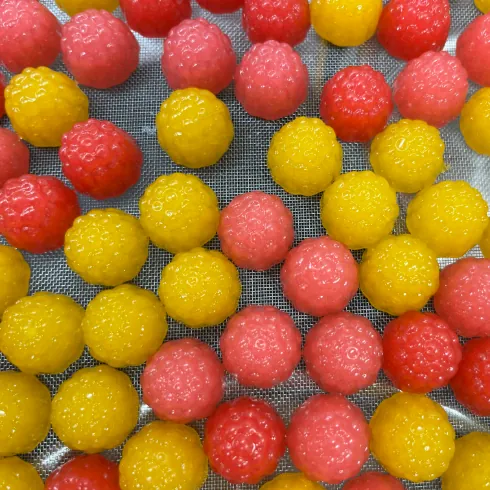
Superfood Gummies with Clear Formulation Choices
- Greens and Fruit Blends with Defined Ingredient Amounts
- Botanical and Fiber Quantities Listed Separately
- Vitamins and Probiotics Matched to Each Formula
- Low Sugar and Sugar Free Formulation Options
- Whole Serving Flavor and Chew Evaluation
- Daily Packets or Bottles for Different Serving Formats
Match the Superfood Blend to Your Product Line
Superfood gummies suit supplement brands adding a chewable greens or fruit and vegetable product to a daily nutrition range for home or travel use. They offer a convenient alternative for consumers who prefer not to mix powders or swallow capsules. Choose another format if your ingredient target cannot fit a practical daily serving. Before ordering samples, confirm the botanical blend, actual amount, added nutrients, sugar system and gummies per serving.
As your OEM/ODM superfood gummies manufacturer, Sucotond develops private label greens gummies around those requirements. We review ingredient dispersion, plant aftertaste and the complete serving, then compare depositing behavior, gummy weight, color and chew during pilot development. Botanical inputs, fiber and micronutrient targets remain separate in the specification, helping your brand compare samples and reproduce the approved formula in bottles or daily packets.
Superfood Gummy Options
SUCOTOND develops your range around four core formulas: greens, fruit and vegetables, multivitamins, or prebiotics and probiotics. Sugar free and children's versions add separate formulation choices. Select the core blend first, then choose the sugar system, age group, flavor, serving and packaging.
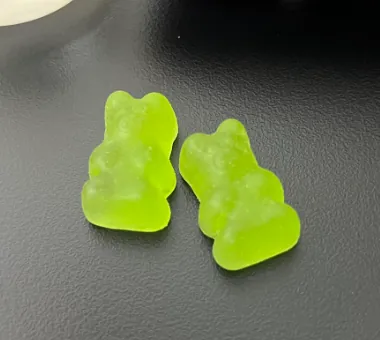
Super Greens Gummies
Combine kale, spinach, broccoli and selected grass or algae ingredients in pectin super greens gummies. Citrus flavors and a compact serving suit brands prioritizing a vegetable-focused daily nutrition product.

Fruit and Vegetable Gummies
Fruit and vegetable gummies pair vegetable ingredients with berry, grape or other fruit blends. Tropical flavors, gelatin or pectin bases and bottle formats offer a distinct option for family ranges.

Superfood Multivitamin Gummies
Add specified vitamins and minerals to a greens and fruit blend for superfood multivitamin gummies. Individually packed daily servings combine botanical ingredients with clearly defined micronutrient amounts in convenient packets.

Superfood Gummies with Prebiotics and Probiotics
These superfood gummies pair the botanical blend with inulin or tapioca fiber and a specified probiotic strain. Fruit flavors and daily packets create a combined greens and digestive nutrition option with clearly separated specifications.

Sugar Free Superfood Gummies
Sugar free superfood gummies combine botanical blends with allulose or fiber and sugar alcohol sweetening systems. Pectin bases, citrus or berry flavors and compact or packet servings provide distinct choices.
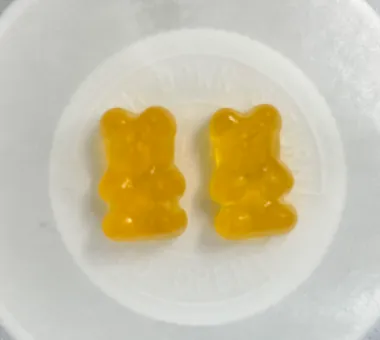
Kids Superfood Gummies
Kids superfood gummies use a separate vegetable and fruit formula with age-appropriate vitamin amounts. Fruit flavors, pectin bases and smaller daily packs support a clearly defined children's product range.
Superfood Gummy Projects for Different Customer Needs
Sucotond connects your superfood blend, daily serving and packaging requirements with ingredient specifications, whole serving flavor checks and pilot production. These illustrative U.S. and German customer projects show how a greens and fiber daily pack and a sugar free bottle product require different formulation and sample evaluation plans.

U.S. Daily Greens and Fiber Gummy Project
Sucotond's development plan separates botanical input from fiber-containing totals, then sets pack weight and gummy count. Beginning, middle and end samples compare piece weight, plant dispersion and depositing consistency. Whole serving checks cover plant aftertaste and chew; vitamin assays and dietary fiber testing support separate nutrient specifications. Packed samples provide color and texture references. The resulting brief gives the brand defined botanical, fiber and vitamin amounts and sample criteria for comparing quotations and planning production.
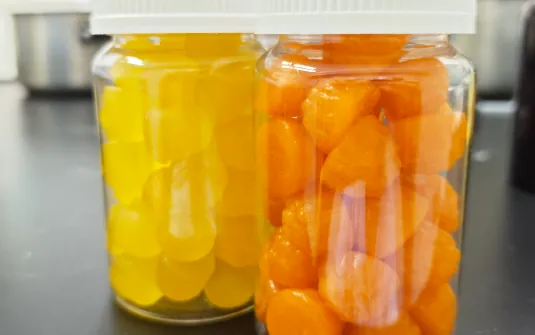
German Sugar Free Superfood Gummy Project
Sucotond's development plan calculates vegetable blend, fiber and sweetener amounts separately for the serving. Pilot samples compare citrus release, plant aftertaste and chew. A texture analyzer, pH meter and water activity meter support firmness and drying checks; bottled samples are monitored for tackiness, color and texture changes. The project output was a two-gummy bottle specification with defined sweetener inputs, sensory references, drying controls, and packaging checks for sample selection and production planning.
Resource Center
Catalog Download
You can view and download our product catalog here to gain a comprehensive understanding of the gummy categories we offer. We believe you will be pleasantly surprised.
DownloadCertifications Download
You can view and download our certificates and reports here. Internationally recognized certifications and unified standards are our most sincere assurance to you.
DownloadVideos
You can take a look at our factory, production lines, and products here. Seeing is believing, and we're committed to building your trust through every possible means.
Watch VideoMore About Sucotond
| Parameter | Development Range / Option | Project Requirement |
|---|---|---|
| Superfood Blend | Greens / fruit and vegetables / combined botanical blend | Specify plant species, plant parts and ingredient forms |
| Ingredient Form | Whole food powder / juice powder / standardized extract | Record each material separately; compare dispersion and aftertaste |
| Amount Basis | Actual botanical input / named marker / fiber containing blend total | Keep botanical quantities and fiber containing totals distinct |
| Serving Format | Compact 2–3 gummies / larger 4–8 gummy daily pack | Match ingredient load, serving weight and daily use |
| Gummy Weight | 2.5 g per piece as a daily pack reference / custom mold weight | Set per piece weight and tolerance after depositing trials |
| Dietary Fiber | 2–6 g/serving as a market development reference | Assay dietary fiber separately from fiber ingredient input |
| Additional Nutrients | Specified vitamins / minerals / named probiotic strain | Define each nutrient amount and relevant finished product test |
| Gummy Base | Pectin / gelatin | Match vegan positioning, plant load and chew |
| Sugar System | Standard / reduced sugar / sugar-free | Evaluate sweetener release, drying and moisture response |
| Flavor | Citrus / berry / tropical fruit / custom | Compare plant aftertaste across the complete daily serving |
| Color | Plant-derived green / berry tone / fruit and vegetable color | Set an approved color reference after cooking and drying |
| pH Development Reference | Approx. 3.0–3.5 for conventional high methoxyl pectin systems | Use a separate trial window for other gel and sugar systems |
| Water Activity Target | ≤0.60 as a proposed development target where the formula supports it | Validate drying endpoint, chew and packaged stability |
| Shape | Bear / drop / cube / custom mold | Match plant load, piece weight and deposit volume |
| Packaging | Bottle / resealable pouch / individual daily packets | Evaluate moisture barrier, light exposure and seal integrity |
| Shelf Life Target | 18–24 months as a project target | Support the claim with finished product stability in the intended pack |
| Test / Control | Method / Control Point | Project Purpose |
|---|---|---|
| Raw Material Identity | Supplier specifications + batch COA + appropriate identity test | Verify plant species, plant part and material form |
| Botanical Input | Batch weighing records + serving calculation | Verify actual blend input per daily serving |
| Botanical Marker If Specified | Analyte-specific HPLC / suitable validated method | Verify a named marker; avoid treating it as total plant content |
| Added Vitamins | Vitamin-specific HPLC / UPLC or other validated assay | Check each specified vitamin amount in finished gummies |
| Added Minerals | ICP-OES / ICP-MS with suitable matrix digestion | Report elemental amounts per serving |
| Dietary Fiber | Validated method suited to the selected fiber and gummy matrix | Distinguish measured dietary fiber from raw ingredient weight |
| Sugars | Validated sugar analysis + formulation records | Support total sugar and added sugar declarations |
| Probiotics If Included | Strain identity + appropriate viable count method | Check the named strain and shelf life count basis |
| Pb / Cd / As / Hg | ICP-MS / suitable validated elemental method | Apply target market and serving-based specifications |
| Microbiology | Appropriate compendial microbial tests | Set finished product microbial release criteria |
| Gummy Weight | In-process gravimetric checks | Compare per piece weight with the approved tolerance |
| Batch Sampling | Beginning / middle / end of depositing | Compare weight, dispersion and specified analytes within the batch |
| pH | Calibrated pH meter with consistent sample preparation | Track the gel and acid system during trials and release |
| Water Activity | Calibrated Aw meter at a recorded measurement temperature | Verify drying endpoint and monitor moisture changes |
| Color | Lab colorimeter + approved physical reference | Compare cooked, dried and stored samples |
| Texture and Whole Serving Flavor | Texture analyzer + structured sensory comparison | Check firmness, chew, plant aftertaste and sweetener finish |
| Stability | Initial + scheduled measurements in intended commercial packaging | Track appearance, Aw, texture and specified nutrients or viable count |
| You Provide | Example | Why It Matters |
|---|---|---|
| Target Market | U.S. / EU / UK / other | Sets label, ingredient and testing requirements |
| Target Consumer | Adult / family / age-defined children's range | Sets serving size and nutrient choices |
| Product Direction | Greens / fruit and vegetables / multivitamin / digestive nutrition | Defines the core formula and positioning |
| Botanical Materials | Kale / spinach / berry / grass or algae ingredients / custom | Sets plant flavor, color and solids load |
| Ingredient Forms | Whole food powder / juice powder / extract | Changes dispersion and amount calculations |
| Target Amount and Basis | Actual botanical input / fiber containing total / named marker | Prevents unlike blend figures from being compared |
| Gummies per Serving | 2 / 3 / 4 / 8 or custom | Sets per piece ingredient load |
| Gummy Weight and Shape | 2.5 g reference / custom piece weight and mold | Determines serving weight and depositing volume |
| Fiber Requirement | No specified claim / 2–6 g serving reference / custom | Changes solids load, chew and test selection |
| Sugar Requirement | Standard / reduced sugar / sugar-free | Changes the sweetener system and drying plan |
| Vegan Requirement | Yes / no | Determines gummy base and ingredient sourcing |
| Flavor and Color | Citrus / berry / tropical fruit; green / berry / custom color | Provides sensory and physical sample references |
| Additional Nutrients | Named vitamins and minerals with target amounts | Defines separate label amounts and assays |
| Probiotic Requirement | None / named strain + target shelf life count | Changes addition conditions and viability testing |
| Packaging | Bottle / resealable pouch / daily packet | Sets pack count, sealing and stability exposure |
| Required Tests | Standard release tests / named markers / nutrients / viable count | Defines the finished product COA scope |
| Required Documents | COA / ingredient specifications / certification documents | Defines the supplier approval package |
| Forecast Volume | Trial / launch / repeat order | Supports production and packaging planning |
| Target Launch Date | Project timeline | Sets sample review and scale-up milestones |
What Are Superfood Gummies?
Superfood gummies are chewable supplements built around greens, fruit and vegetable ingredients, or mixed botanical blends. Your product may also include dietary fiber, vitamins, minerals, prebiotics, or probiotics, but these additions do not define the category on their own. The term therefore describes a broad product format rather than one standardized recipe, nutrient profile, or daily dose.
The formula can be organized into three ingredient layers. The first is the botanical base, such as wheatgrass, barley grass, spinach, kale, spirulina, beetroot, carrot, berry, or citrus materials. The second is the functional layer, which may supply fiber, selected micronutrients, or probiotic cultures. The third is the gummy system that carries those ingredients. Because the balance between these layers varies, you need to identify what the formula actually delivers per daily serving before comparing two superfood gummies.
Superfood Gummies Benefits: Are They Good for You?
Superfood gummies can be useful when they deliver clearly identified ingredients at meaningful daily amounts. A greens or fruit and vegetable blend may add selected botanical materials to your product range, while added fiber, vitamins, minerals, or probiotics may provide separately defined nutritional or functional value. The word "superfood" itself does not establish a benefit, so your evaluation should begin with the ingredient responsible and the amount supplied in the complete serving.
Different formula layers support different benefit directions. Fiber-containing ingredients may contribute to a declared fiber amount, vitamins and minerals can be compared through their finished-product quantities and Daily Values, and probiotics require specified strains and viable CFU targets. Botanical ingredients should be assessed by their identity, plant part, material form, daily amount, and relevant evidence. A long blend with many low-level ingredients is not automatically more valuable than a shorter formula with transparent specifications.
You should not position superfood gummies as a direct replacement for fresh vegetables or a varied diet. Gummies usually provide smaller food-equivalent quantities and do not reproduce the full fiber, water, texture, and dietary pattern associated with whole foods. Benefit language should therefore describe the formula's defined contribution rather than rely on broad "detox," disease-risk, or therapeutic claims. Once you have established what the product is intended to deliver, you can judge whether a gummy, powder, capsule, or multivitamin is the most suitable format.
Superfood Gummies vs. Superfood Powder and Other Superfood Supplements
Gummies provide your customers with a premeasured, portable serving and may improve acceptance when superfood powders have a strong earthy, grassy, or marine taste. However, their physical capacity is limited. Botanical solids compete with the gummy base for space. As you increase the load, they can raise viscosity, create grittiness, intensify bitterness, change the color, and interfere with depositing or drying. If your intended formula requires a multi-gram daily powder serving, forcing the same quantity into one or two gummies may produce an oversized piece, an impractical serving count, or an unstable texture.
Superfood powder generally accommodates more plant material and allows users to adjust the serving. Its disadvantages are the need for mixing and greater exposure to the flavor, particles, and sediment of the blend.
Capsules reduce flavor exposure and avoid the confectionery base, but your customers may need to take several capsules when the formula contains bulky botanical powders.
A conventional multivitamin is often more efficient for delivering defined vitamin and mineral amounts, although it does not automatically provide the botanical identity associated with superfood supplements.
You should compare these formats using your proposed daily input rather than the front-label concept. Ask your supplier to model the active load per serving, number and weight of gummies, expected flavor burden, and any processing or stability overage. If your target amount only works after reducing major ingredients to token quantities, a powder, capsule, or combined product format may be more credible.
When the proposed dose fits the gummy, your next decision is whether the formula should follow a greens-led or fruit-and-vegetable-led direction.
Super Greens Gummies vs. Fruit and Vegetable Gummies
If you choose super greens gummies, your formula may emphasize wheatgrass, barley grass, spinach, kale, spirulina, or chlorella. These materials can produce dark green or brown tones, grassy aromas, marine notes, bitterness, and visible particles. Your greens formula therefore requires early assessment of raw-material fineness, dispersibility, flavor masking, acid balance, and realistic color expectations. You should not assume that a bright fruit flavor will cover the aftertaste at the intended daily load.
Fruit and vegetable gummies may use beetroot, carrot, tomato, berry, pomegranate, citrus, or mixed produce materials. These ingredients often fit familiar fruit flavors more easily, but they can still introduce acidity, hygroscopicity, strong natural pigments, or earthy notes.
If your formula contains anthocyanin- or betalain-rich materials, its color may change with pH, heat, light, or storage. You should therefore assess the appearance throughout processing and stability testing rather than approving the color from the first sample alone.
Your choice between the two formula systems should reflect the intended product promise and the sensory work you are prepared to support. If you combine greens with fruit and vegetable ingredients, assign a purpose and amount to each component instead of expanding your ingredient list only for label appearance.
After determining your formula type, you can compare which raw-material forms will deliver the required identity, amount, sensory profile, and label information.
Superfood Gummies Ingredients and Nutrition Facts
That comparison should begin by defining what each ingredient actually is. Whole-food powders, juice powders, and standardized extracts differ in concentration, carrier content, particle load, flavor, color, and the information they can support on your label.
Whole-food powders retain more of the original plant matrix but usually occupy more formula space and may introduce particles, sediment, flavor, or batch-to-batch color variation. Juice powders can disperse more easily, although you need to check their carrier content and actual juice-solids percentage. Standardized extracts require less physical space and may deliver a defined marker, but the extract ratio, plant part, marker specification, extraction solvent, and carrier must be reviewed.
For every botanical in your formula, request the common and scientific names where relevant, plant part, raw-material form, carrier percentage, specification, and amount per daily serving. If your product uses a proprietary blend, obtain the individual inputs for your internal comparison because the total blend weight cannot show whether its main ingredients are present at meaningful levels. The same principle applies to functional additions: distinguish grams of fiber from grams of a fiber-containing ingredient, vitamin and mineral inputs from their declared finished-product amounts, and probiotic culture input from the intended viable CFU.
The supporting gummy ingredients are part of the formula as well. Sweeteners, syrups, gelling agents, acids, flavors, colors, oils, glazing agents, and processing aids influence texture, water activity, piece weight, taste, appearance, and label declarations. Review these components together with the botanical blend, especially when your target flavor, color, or serving size leaves limited room for masking strong greens, algae, or vegetable notes.
Once the botanical and supporting ingredients are defined, a U.S. Supplement Facts panel should use the same serving definition as the approved formula and directions. Check the serving size, servings per container, dietary ingredients, amount per serving, and percentage Daily Value where applicable. Then compare that panel with the ingredient list: the Supplement Facts panel shows what the serving delivers, while the ingredient list identifies the other materials used to make the gummy. This distinction gives you a clearer basis for comparing formulas before assessing dosage feasibility.
Superfood Gummies Dosage and Formula Strength
You should compare formula strength per full daily serving and then trace each amount back to one gummy. A product listing 1,000 mg of a blend per serving may provide only 500 mg per gummy when the serving consists of two pieces. Your specification should state the amount per gummy, gummies per serving, servings per container, and recommended frequency. The formulation sheet, Supplement Facts panel, directions, and cost calculation should all use this same serving basis. Apply the full-serving calculation to dietary fiber and total or added sugars as well, because a small amount per gummy may become more significant across a multi-gummy serving.
You must also separate input weight from measurable finished-product value. Botanical powder input, standardized extract markers, dietary fiber, vitamins, minerals, and probiotic CFU represent different specifications. Some values can be controlled through weighed input, identity records, and batch documentation, while others should be confirmed through an appropriate finished-product test. For probiotics, a higher CFU number is not automatically better. The more meaningful specification is the viable CFU maintained through your stated shelf life rather than only the amount measured at manufacture.
Your final dosage decision must account for manufacturing feasibility. Review gummy weight, mold volume, deposit consistency, total solids, viscosity, particle suspension, drying behavior, chew, and the number of pieces required per serving. Evaluate samples at the complete intended load because a diluted pilot sample may have acceptable flavor and texture while failing to represent the formula that will appear on your label. If the required potency creates excessive gummy size, an inconvenient serving count, unstable texture, or unacceptable flavor, revise your dose, raw-material form, or dosage format before approving the commercial formula.
How to Choose Quality Superfood Gummies?
You should not define the best superfood gummies by the longest ingredient list. Your quality assessment should begin with raw-material identity.
Confirm the scientific name where appropriate, plant part, material type, supplier, country of origin when relevant, carrier system, and potency or marker specification. A raw-material certificate of analysis is useful, but it should not be your only basis for approval. Define which identity, potency, microbiological, pesticide, heavy-metal, and other contaminant checks will be independently verified or reviewed for each material.
The analytical method must match your specification. A standardized botanical marker may require a chromatographic method such as HPLC or UPLC. Minerals may be measured by ICP-OES or ICP-MS, while dietary fiber needs a method suitable for your selected fiber system. Probiotics require viable-count testing expressed in CFU. In every case, you should examine method suitability, sampling, detection limits, laboratory capability, and release criteria instead of accepting an instrument name without a defined result.
Your finished-product controls should connect the approved formula to the gummies placed in the bottle. Establish acceptance criteria for appearance, taste, odor, piece weight, gummy count, texture, pH, water activity, and relevant nutrient or active values. Sampling gummies from the beginning, middle, and end of your production run can help determine whether suspended powders and piece weights remain consistent.
You should assess stability in the intended commercial package. Moisture, oxygen, light, and temperature may affect sticking, hardening, color, flavor, vitamin potency, and probiotic survival. Your bottle, pouch, blister, desiccant, liner, and closure decisions should follow the risks of the actual formula and distribution environment rather than visual preference alone.
Finally, after confirming the raw-material, finished-product, and stability requirements, compare commercial proposals by cost per defined daily serving rather than only bottle price or cost per gummy. Check whether each quotation uses the same ingredient specifications, daily amounts, gummy count, testing plan, packaging protection, and supported shelf life. A lower unit price is not equivalent if it reduces your standardized actives, hides individual amounts inside a blend, increases the daily piece count, or removes verification required by your approved specification.
Frequently Asked Questions
Common questions about custom gummy supplement manufacturing, private label service, and production support.


Start Your Superfood Gummy Project
Share your superfood gummy requirements — dosage, flavor, packaging, and target market. We will review feasibility and get back to you within 24 hours.
Share your project details — our team will review feasibility, process alignment, and next steps.