
Our Certifications
Click the image to view.


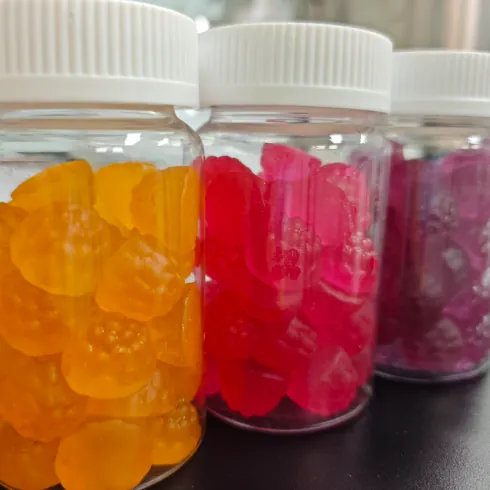
BCAA Gummies with More Formulation Choices
- 1,000 mg BCAAs per two-gummy reference serving
- Individually specified leucine, isoleucine and valine amounts
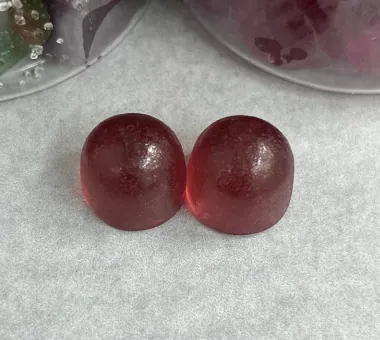
- Approximately 3 g per gummy in the reference format
- Amino acid dispersion for a smooth, non-gritty chew
- Consistent amino acid content across individual gummies
Turn Your BCAA Blend into a Practical Gummy Product
BCAA gummies combine L-leucine, L-isoleucine and L-valine in a chewable supplement for sports nutrition and active-lifestyle ranges. They suit brands seeking a portable alternative to drink mixes or capsules. Your main development choices are the amino acid ratio, BCAA amount per serving and acceptable gummy count. Larger ingredient targets may require more pieces or another format, while amino acid bitterness can limit flavor acceptance.
As your BCAA gummy supplement manufacturer, SUCOTOND builds the development brief around your selected amino acid profile, gummy weight, base and sweetener system. Sample evaluation then addresses bitterness, chew and the full serving. Component specifications, packaging count and testing requirements are defined together, giving your private label BCAA gummies a consistent basis for formulation, quotation and production planning.
BCAA Gummy Options for Your Product Range
Choose a BCAA-led formula, then refine the gummy base, sugar system or additional nutrients to suit your range. These options can be combined where the finished formulation supports them.

2:1:1 BCAA Gummies
Build a focused amino acid gummy around leucine, isoleucine and valine in a 2:1:1 ratio. A two-gummy concept provides a starting point for a straightforward BCAA product line.
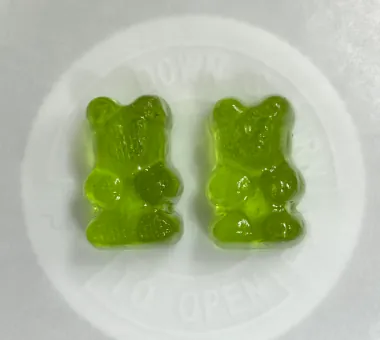
Vegan BCAA Gummies
Pair fermentation-derived BCAAs with a pectin base for a plant-based sports nutrition concept. Orange flavors and bottle or pouch formats offer flexible choices for an adult active-lifestyle range.
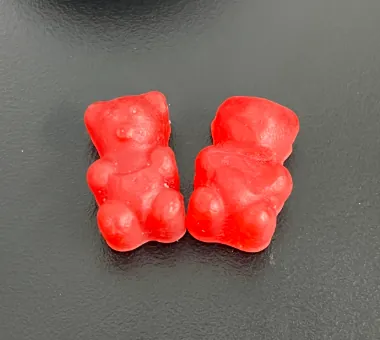
Sugar-Free BCAA Gummies
Combine a defined BCAA blend with a sugar-free sweetener system for sugar-conscious sports nutrition ranges. Citrus flavor directions and adjustable serving formats provide alternatives to conventional sugar-based BCAA gummies.

BCAA Gummies with Vitamin B6
Add a specified vitamin B6 amount to a defined BCAA blend for an amino acid and vitamin combination. Citrus flavors and compact bottle formats suit brands extending an existing sports nutrition range.
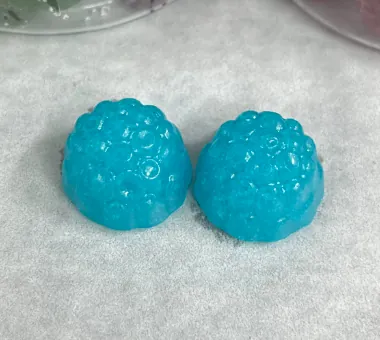
BCAA Electrolyte Gummies
Combine BCAAs with selected sodium, potassium or magnesium sources for a sports nutrition extension. A sour-lime flavor direction suits this concept, with amino acid and electrolyte amounts listed separately.
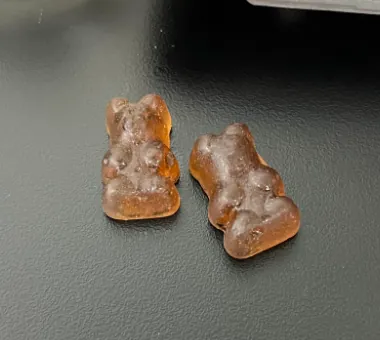
BCAA and Creatine Gummies
Combine BCAAs with creatine in a fruit-flavored gummy for brands seeking an amino acid and creatine combination. Define both ingredient amounts within a practical serving format for your product range.
Two BCAA Gummy Development Scenarios
These illustrative examples show how different product briefs can shape BCAA gummy formulation, sensory evaluation and packaging decisions.

A 1,000 mg BCAA Concept in Two Gummies
For this concept, Sucotond proposes 500 mg leucine, 250 mg isoleucine and 250 mg valine per two-gummy serving. Our development plan starts with a reference weight of 3 g per gummy. We would assess amino acid distribution, bitterness, chew and piece consistency, then refine the formula against your sample feedback. Our packaging proposal is a 60-count bottle providing 30 servings. We would document the agreed amino acid amounts, sensory criteria and pack count in one specification for production review.

A Sugar-Free BCAA and Electrolyte Concept
To balance amino acid bitterness, mineral notes and sweetener aftertaste, our proposed approach first specifies the BCAA blend and each electrolyte amount. Sucotond would then compare gummy bases and sugar-free sweetener systems using sour-lime samples at the intended serving. We would adjust sweetness, acidity and flavor masking based on the full-serving evaluation, then assess packaged samples for sticking and texture changes. Our development brief would record the selected formula, sensory reference and packaging requirements for your approval.
Resource Center
Catalog Download
You can view and download our product catalog here to gain a comprehensive understanding of the gummy categories we offer. We believe you will be pleasantly surprised.
DownloadCertifications Download
You can view and download our certificates and reports here. Internationally recognized certifications and unified standards are our most sincere assurance to you.
DownloadVideos
You can take a look at our factory, production lines, and products here. Seeing is believing, and we're committed to building your trust through every possible means.
Watch VideoMore About Sucotond
| Parameter | Reference / Development Option | Project Requirement |
|---|---|---|
| Core amino acids | L-leucine, L-isoleucine and L-valine | Specify each amino acid and the raw-material grade |
| BCAA ratio | 2:1:1 reference; other ratios subject to review | State the order as leucine : isoleucine : valine |
| Total BCAA content | 1,000 mg per two-gummy serving as a reference | Define ingredient input separately from declared amino acid content |
| Amino acid split | 500 mg leucine + 250 mg isoleucine + 250 mg valine per serving | Keep the three amounts consistent with the total and ratio |
| Serving format | Two gummies as the reference format | Review alternative counts against the intended formula |
| BCAA per gummy | 500 mg in the reference calculation | Recalculate whenever the serving count or total changes |
| Gummy weight | Approximately 3 g per piece as a reference | Confirm weight, mold volume and acceptable chew through trials |
| Gummy base | Pectin or gelatin development routes | Match the complete formula to texture and positioning requirements |
| Sugar system | Conventional or sugar-free development routes | Confirm the sweetener system and finished-product claim basis |
| Flavor | Orange, sour lime or custom direction | Evaluate bitterness and aftertaste at the intended BCAA amount |
| Additional nutrients | Vitamin B6 or individually specified electrolytes | Record each added ingredient and its amount separately |
| Shape and finish | Project-defined mold, coating and surface finish | Match piece weight, handling and sensory expectations |
| Packaging | Bottle, pouch or project-specific serving pack | Assess moisture protection and pack compatibility |
| Pack count | 60 gummies / 30 servings in the reference format | Recalculate for the final serving definition |
| Storage and shelf life | Defined from the finished formula and intended packaging | Support conditions and shelf life with stability data |
| Test / Control | Method / Evaluation | What to Confirm |
|---|---|---|
| Raw-material identity | Approved ingredient specifications, batch COA and suitable identity testing | Correct amino acid source, grade and lot |
| Individual amino acid content | Matrix-suitable amino acid assay, such as an agreed HPLC/UPLC method | Leucine, isoleucine and valine amounts in finished gummies |
| BCAA ratio | Calculation from individually quantified amino acids | Agreement with the specified ratio and project tolerances |
| Within-batch consistency | Beginning, middle and end samples with weight and agreed composition checks | Consistent pieces and amino acid distribution during depositing |
| Additional nutrients | Analyte-specific vitamin or elemental methods where required | Separate results for B6, sodium, potassium or magnesium when declared |
| Microbiology | Applicable validated microbial methods | Finished-product release limits agreed for the target market |
| Heavy metals | Suitable validated elemental analysis | Agreed contaminants, daily-serving basis and acceptance criteria |
| pH and water activity | Calibrated instruments with defined sample preparation | Formula-specific trial and release targets |
| Flavor and texture | Full-serving sensory comparison and suitable texture measurements | Bitterness, mineral notes, sweetener finish, firmness and chew |
| Packaging and stability | Scheduled checks in the intended commercial pack | Sticking, texture, appearance and specified amino acid or nutrient values |
| Batch documentation | Agreed finished-product COA and traceability records | Which results support each composition and release requirement |
| You Provide | Example / Decision | Why It Matters |
|---|---|---|
| Target market | U.S., EU, UK or another destination | Determines ingredient, labeling and documentation requirements |
| Intended consumer | Adults, active-lifestyle consumers or a defined sports nutrition range | Sets the context for serving design and product positioning |
| BCAA profile | 2:1:1 or another specified ratio | Defines the three-amino-acid composition |
| Amount per serving | Target total and individual amino acid amounts | Establishes composition and the finished-product specification |
| Serving format | Preferred gummy count, piece size and pack servings | Connects ingredient load with convenience and packaging |
| Base and sugar requirements | Pectin, gelatin, conventional or sugar-free direction | Guides gel, sweetener and sensory development |
| Flavor reference | Orange, sour lime or a reference sample | Gives sample evaluation a clear sensory target |
| Additional ingredients | Named electrolytes, vitamin B6 or other requested actives | Changes total ingredient load and testing requirements |
| Packaging brief | Bottle, pouch or serving pack; count and barrier needs | Guides pack selection and stability evaluation |
| Testing and documents | Required analytes, COA scope and certification documents | Defines what must be demonstrated before release |
| Available development materials | Existing formula, proposed raw materials or benchmark sample | Identifies the starting point for formulation review |
| Forecast and launch plan | Trial quantity, expected repeat demand and launch date | Supports sampling and production planning |
What BCAA Gummies Can Offer Your Product Range
BCAA gummies supply leucine, isoleucine, and valine in a chewable supplement. These three essential amino acids can be offered alone or with other actives, but the appropriate formula depends on the nutritional purpose you expect it to serve.
Comparing BCAA With EAA and Complete Protein
A complete protein source supplies all nine essential amino acids. BCAAs supply only three, so a BCAA-only gummy does not provide the same amino acid coverage. If your product is meant to address inadequate protein intake, assess a complete protein option. If you want to offer all nine essential amino acids in an amino acid supplement, compare EAA blends instead of treating BCAAs as a complete EAA formula.
For customers who already consume adequate protein, additional BCAAs need a different justification: evidence of a specific extra benefit. The fact that BCAAs are part of muscle protein does not show that taking more improves recovery or muscle growth.
Assessing BCAA Gummies Benefits and Their Limits
Some BCAA studies report less soreness after resistance exercise, while others do not. Feeling less sore also does not necessarily mean that strength has fully recovered. For a recovery-focused product, check whether the research measured soreness, strength, or both; those outcomes support different descriptions of the benefit.
For a muscle-building product, look for studies that measured muscle growth over a training period. A short-term increase in muscle protein production does not demonstrate that users gained muscle. Recovery and short-term protein findings also cannot establish weight loss, fat burning, higher testosterone, or stimulant-like energy; each of those outcomes requires separate evidence.
Checking Whether the Evidence Fits Your Intended Users
Check who took part in the studies supporting your chosen benefit. Their training experience and protein intake should be relevant to your intended customers. For BCAA gummies for women, a study conducted only in men does not establish a special benefit for women. Likewise, separate women's and men's formulas need evidence for any difference in ratio or serving. If the products differ only in packaging, you have not demonstrated a nutritional difference.
BCAA Gummies Ingredients and Amounts per Serving
Comparing BCAA Ratios Together With Actual Amounts
To compare a proposed formula with the research supporting your chosen benefit, check the BCAA ratio and actual amount per serving. Record the target amounts for leucine, isoleucine, and valine, along with the planned servings per day. The ratios 2:1:1, 4:1:1, and 8:1:1 state leucine:isoleucine:valine proportions. They do not state how much of each amino acid a serving delivers.
For example, a hypothetical 1,000 mg BCAA serving at 2:1:1 contains 500 mg leucine. A 500 mg serving at 8:1:1 contains 400 mg leucine despite its higher ratio. These are composition examples, not dose recommendations. Compare total BCAAs and individual amino acid amounts against the relevant evidence; a higher leucine percentage alone proves neither greater intake nor superior results. Record actual amino acid content separately from raw blend input, including any carriers or assay differences. Multiply the actual amount per serving by the planned servings per day to calculate daily intake.
Choosing BCAA Alone or a Purposeful Combination
The ratio describes the BCAA portion only. A combination formula adds another decision: whether a separate product purpose justifies another active at a specified amount. Record each added active per serving and calculate its daily intake using the same planned servings per day.
For strength and power positioning, evaluate creatine's evidence and amount independently of BCAAs. Increasing BCAAs does not substitute for creatine. Glutamine also needs its own justification; including another amino acid does not establish better recovery.
For mineral replenishment, compare elemental sodium, potassium, or other selected minerals, rather than an unspecified electrolyte blend weight. Include those amounts in your assessment of replenishment; gummies do not supply the fluid needed for hydration.
For BCAA vs pre-workout products, separate nutritional additions such as B6 from caffeine's stimulant effects. Taking BCAAs before training does not itself create a stimulant product. If caffeine is included, its amount and use considerations need assessment independently of the amino acids. An addition without a clear purpose and supportable amount lengthens the ingredient list without establishing additional value.
BCAA Gummy Formulation and Format Feasibility
Comparing BCAA Gummies With Powder and Capsules
Use your target amounts to compare gummies, powder, and capsules at the same amino acid intake. A smaller gummy serving is not equivalent to a larger powder serving simply because both list BCAAs. Request proposed piece weight and BCAA content per piece. Check that a whole number of pieces delivers the agreed serving, then multiply pieces per serving by planned servings per day to calculate the daily gummy count.
If that count is impractical, assess a larger piece or another format before reducing the active amount. Powder avoids distributing a serving across multiple gummies; capsules limit taste exposure but may also require several units. A lower-dose gummy represents a different specification and needs its own assessment against the intended benefit.
Defining Vegan and Sugar Free Ingredient Restrictions
Piece count alone cannot establish feasibility because your permitted base ingredients also affect the formula. Vegan BCAA gummies require documented amino acid sources and review of gels, coatings, colors, and auxiliaries. Selecting pectin does not verify the remaining ingredients.
Sugar-free, no added sugar, and without artificial sweeteners also describe different requirements. A no-added-sugar formula may still contain naturally occurring sugars; using stevia does not itself make a gummy sugar-free. Apply the relevant sugar-content claim conditions before selecting a base, so your preferred sample does not depend on an excluded ingredient.
Evaluating the Complete Gummy Base for Texture and Flavor
A vegan requirement excludes gelatin, while removing sugar affects bulk as well as sweetness. High-intensity sweeteners such as stevia or monk fruit cannot replace that bulk by themselves. Ask how the proposed pectin grade, solids, acid balance, and mineral interactions support the complete formula.
Evaluate samples containing the specified active amounts for bitterness, aftertaste, grit, sticking, and chew. The best BCAA flavor must remain acceptable at the intended serving. Keep written sensory criteria and a reference sample for later batch comparisons.
If bitterness remains unacceptable, compare adjustments to the masking system, base, or piece design. If you reduce BCAAs instead, reassess the intended benefit at that lower amount.
BCAA Gummies Side Effects and Suitability
Assessing the Complete Daily Serving
The daily piece count determines exposure to the base and added actives as well as BCAAs. For example, sugar alcohols can cause gas, bloating, or diarrhea in some people, and increasing the gummy count increases their intake. Digestive complaints therefore require review of the whole formula. Caffeine-containing combinations also need assessment of sleep and stimulant effects. Attribute potential BCAA gummies side effects to the relevant ingredients instead of treating all formulas as interchangeable.
Accounting for Other Supplements and Repeated Use
Exposure can extend beyond your gummy. Customers may also take amino acid powder, pre-workout, or vitamin products. Calculate overlapping BCAAs, caffeine, B6, and relevant sweeteners across the intended routine. Assess frequency and duration alongside serving size; short-term tolerability findings do not establish unrestricted long-term use. Recommending extra gummies to increase BCAAs also requires reassessing all accompanying ingredients.
Reviewing Suitability for Specific Users
An acceptable intake calculation does not establish suitability for every population. Evidence from healthy adults cannot settle use during pregnancy or breastfeeding, with kidney disease, or alongside medication; these situations need qualified clinical review. Children and teenagers need a separate assessment rather than a smaller portion of an adult sports formula. Use these assessments to establish the intended audience, exclusions, and necessary warnings.
How to Choose the Best BCAA Gummies Using Product Evidence
Separating BCAA Gummies Reviews From Verification
Reviews describe user experience and may flag recurring flavor or texture concerns worth checking against your sample. They cannot verify amino acid content, contaminants, or efficacy. Likewise, a description such as the cleanest BCAA supplement needs defined ingredient restrictions and supporting results. Your quality decision should distinguish what users report from what product testing demonstrates.
Verifying BCAA Content and Screening for Contaminants
A raw-material COA establishes information about the supplied ingredient, not finished-gummy content. Request results for leucine, isoleucine, and valine with units, serving basis, and the analytical method. Use the individual results to check the agreed ratio. An HPLC or UPLC instrument name alone does not establish suitable extraction, separation, accuracy, or precision for the gummy matrix.
Agree on sampling across production. Composite results can describe average content while masking variation between pieces, so select sampling that supports your serving-consistency requirement. Consistent piece weight cannot establish consistent amino acid distribution.
Assess contaminants separately from amino acid content. Agree on appropriate microbial and heavy-metal specifications as well as content limits, with investigation procedures for results outside those limits. FDA supplement manufacturing guidance supports discussions of specifications and verification for U.S. products.
Establishing Shelf Life in the Intended Packaging
Release results describe a batch at a particular time. To assess expiry, request stability evidence for the intended bottle or pouch, covering amino acid content and relevant changes such as grittiness, stickiness, weeping, and hardening. Use pH, water activity, or texture measurements where appropriate to investigate deterioration.
The package is part of that assessment: closure and moisture protection must suit the proposed storage and distribution conditions. Ask how real-time data and supporting accelerated studies justify the shelf life, with agreed criteria and sampling intervals. An acceptable fresh sample alone cannot establish how the product will perform during storage.
BCAA Gummies Supplement Facts and Directions for Use
Aligning Label Information With the Evaluated Formula
Finalize the label against the formula and serving supported by feasibility, safety, and analytical review. Changes to serving size require consistent updates to the panel, directions, and servings per container. For a U.S. supplement, assess calories, total carbohydrate, total and added sugars, and sugar alcohol declarations where applicable under Supplement Facts requirements. Sugar-free and no added sugar do not automatically mean calorie-free; nutrition information must reflect the actual base and serving.
Setting Daily Directions and Timing
Directions should state the assessed daily intake and relevant audience restrictions or warnings. When deciding when to take BCAA gummies, distinguish a convenient routine from a timing advantage established by research. The chewable format alone establishes neither faster onset nor a special post-workout benefit. Check that suggested timing does not inadvertently imply extra servings beyond the daily amount assessed.
Comparing BCAA Gummies Cost per Serving
Putting Supplier Quotes on the Same Specification Basis
Give each supplier the same agreed specification for amino acid ratio and amounts, added actives, pieces per serving, servings per container, ingredient restrictions, testing, stability support, and packaging. Compare the same order quantity, and confirm whether bottles, labels, testing, and freight are included. A cheaper 60-count bottle may provide fewer servings or less BCAA per serving; matching bottle count alone does not make two offers equivalent.
Calculating Cost per Serving and Explaining Price Differences
For comparable products, examine costs arising from amino acid sourcing, flavor masking, sweeteners, testing, and packaging. Divide bottle cost by servings per bottle. Cost per gram of BCAA can provide a secondary comparison but does not capture differences in added actives or quality requirements.
In a hypothetical comparison, a $6 bottle with 30 servings costs $0.20 per serving; a $5 bottle with 20 costs $0.25. The lower bottle price therefore costs more per serving. Verify equivalent ingredient amounts and quality requirements before using that calculation to choose a supplier.
Frequently Asked Questions
Common questions about custom gummy supplement manufacturing, private label service, and production support.
Start Your BCAA Gummy Project
Share your bcaa gummy requirements — dosage, flavor, packaging, and target market. We will review feasibility and get back to you within 24 hours.
Share your project details — our team will review feasibility, process alignment, and next steps.