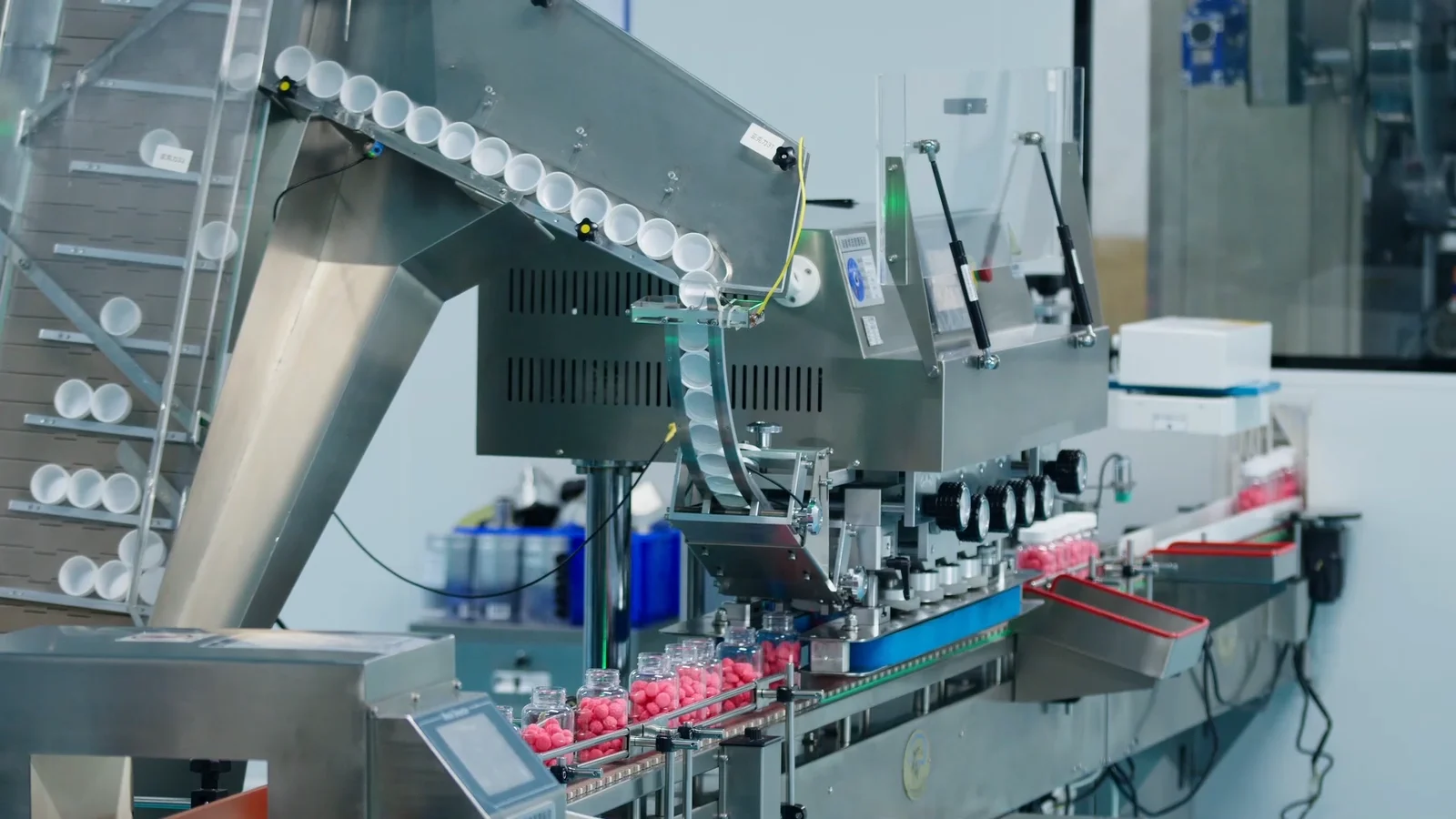
Product Development
Creatine Gummies vs. Powder: Key Differences and Considerations for Product Development
As a newer creatine product, creatine gummies are more convenient and taste better than traditional creatine monohydrate powder.
However, the gummy format also has limitations. Understanding the differences between the two helps ensure product development matches your project goals.
If you are considering developing a creatine product, I will explain in detail how these two products differ from a manufacturer's perspective.
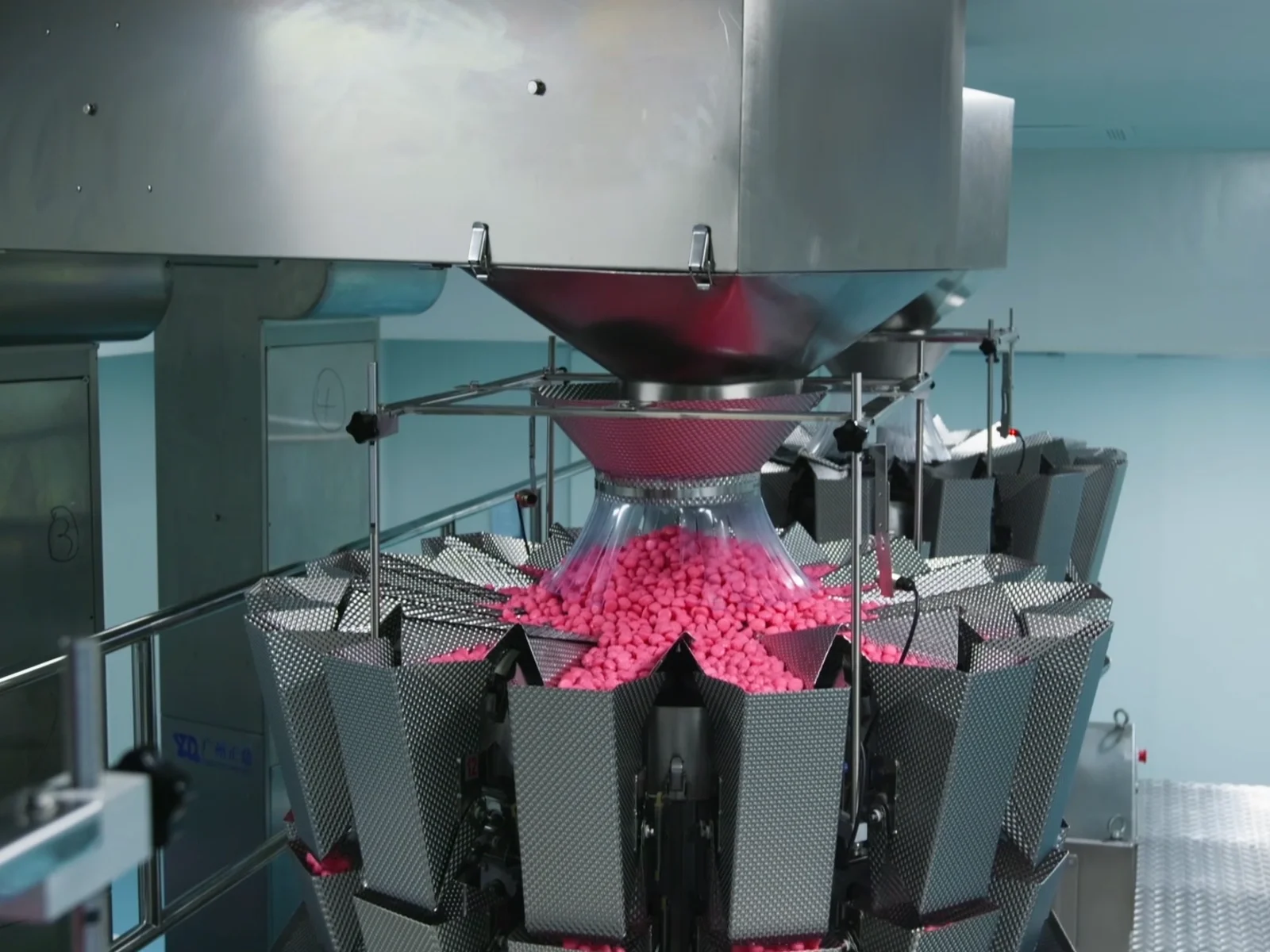
What Are Creatine Gummies?
From a product concept perspective, the demand for creatine comes from people's desire for better athletic and fitness performance.
To meet this need, creatine ingredients such as:
-
Creatine monohydrate (the most common type)
-
Creatine hydrochloride
-
Creatine citrate
and other forms are combined with sweeteners, gelling agents, coloring, and other ingredients to make gummies. This provides a tasty, portable way to take creatine.
Therefore, “creatine gummies” is a broad category. When developing or sourcing products, you should specify the product type, such as creatine monohydrate gummies or creatine hydrochloride gummies, to avoid ambiguity.
What Are the Main Differences Between Creatine Gummies and Powder?
When comparing the two, consumers typically focus on price, dosage, and texture.
From a product development perspective, however, you need to understand their differences across several areas to develop products that better meet your brand's needs.
I will explain the differences in user experience, cost, stability, dosage, and formulation to help you understand your options and make decisions.

User Experience
This is the most important aspect of the product. It can be broken down into four criteria: effectiveness, flavor, texture, and convenience.
Effect:
Do Creatine Gummies Work?
First, we need to understand how creatine works.
Consuming 3-5g of creatine monohydrate daily for several weeks increases phosphocreatine stores in the muscles. This improves ATP regeneration during short bursts of high-intensity exercise, supporting better athletic performance.
At this level, the key to effectiveness is “consistent intake.” Whether it comes from gummies or powder matters less.
Therefore, the gummies you develop can effectively deliver creatine monohydrate, provided they meet the required content level. There is no need to worry that the gummy format will weaken its effects.
For the common question: What are the benefits of taking creatine in gummy form?
Our answer is that the main benefit is helping consumers maintain “consistent intake.” This should also be a focus during product development.
Are Creatine Gummies as Effective as Powder for Muscle Gain?
Consumers buy these products partly to support greater muscle growth.
As the mechanism above shows, creatine helps muscles perform better when combined with exercise and training.
Therefore, neither form can directly promote muscle growth on its own. Exercise and training remain essential.
You should keep this in mind when developing product claims and designing packaging to avoid approval issues when your brand enters the market.
Discuss the product concept and packaging production with your manufacturer to ensure you are aligned.
Do Creatine Gummies and Powder Differ in Absorption?
You may wonder how adding sweeteners and pectin affects creatine gummies absorption compared with taking creatine monohydrate powder directly.
The clear conclusion is that adding pectin and sweeteners does not prevent creatine from being released or absorbed. An early study by Vukovich and Michaelis compared creatine in candy and powder forms and found that both produced effects.
Specifically, after the gummies are chewed and exposed to stomach acid, the creatine monohydrate is released and absorbed. It then enters the muscles to take part in energy metabolism.
For the topic “creatine gummies vs powder effectiveness absorption bioavailability,” the raw material type matters more than the difference between gummy and powder formats.
You can discuss the product design with your manufacturer to make the gummies tastier and easier to take consistently over time.
Taste:
Tasty Creatine Gummies
When it comes to food products, taste is the primary focus.
Consumers generally prefer sweet, delicious gummies. This is the greatest competitive advantage of the gummy format.
Creatine monohydrate powder, on its own, does not taste very good. Some creatine ingredients have a noticeable sour, astringent, or bitter taste. Grinding the raw material intensifies these unpleasant tastes, making it difficult for many consumers to maintain long-term use.
By incorporating creatine monohydrate into gummies and developing tropical fruit flavors or rich berry flavors, you can strengthen their snack-like positioning and help consumers enjoy taking them over the long term.
Therefore, flavor should be a key consideration for your creatine gummies. It is best to taste the samples during development until you are satisfied with the flavor.
Flavored Creatine Gummies
We have compiled a list of common flavors and our own specialty flavors to share our experience. This can help you develop delicious products that satisfy your consumers.
This can also help you create a memorable flavor unique to your brand and stand out in the market.
| Flavor Category | Flavor Options | Product Development Uses |
|---|---|---|
| Berry Flavors | Strawberry Blueberry Raspberry Cranberry |
Basic flavor development Berry flavor expansion |
| Classic Fruit Flavors | Cherry Grape |
Single signature flavor |
| Tropical Fruit Flavors | Mango Pineapple Passion Fruit |
Tropical flavor development Flavor combinations |
| Refreshing Fruit Flavors | Apple Watermelon Peach |
Refreshing flavor development |
| Specialty Sour Creatine Gummies | Sour Green Apple Sour Watermelon |
Highlight sourness Enhance the refreshing taste |
| Citrus Flavors | Orange | Citrus themes Sweet-and-sour flavor combinations |
| Custom Recommendations | Mixed Berry Mango Pineapple |
Blended fruit aromas Adjust ingredient aftertaste Balance sweetness and tartness |
Texture
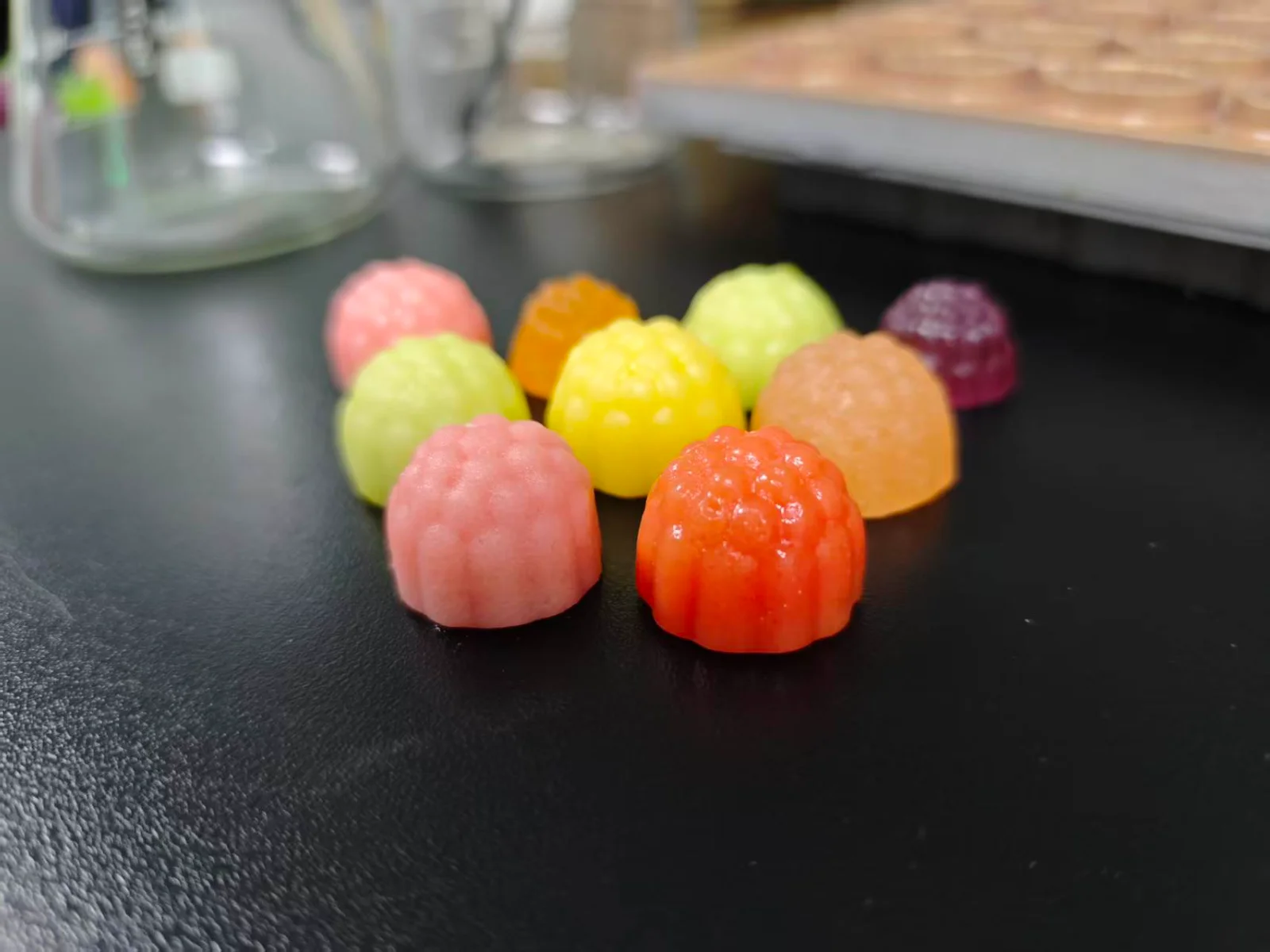
Texture is a key aspect of the user experience and one of the main advantages of creatine gummies over creatine powder.
Many people use a shaker bottle to mix creatine powder. It is almost a standard piece of fitness equipment. It usually takes more than two minutes of shaking to improve the dispersion of creatine monohydrate powder and achieve a better texture.
Even then, without professional homogenizing equipment and adjustments using emulsifiers, creatine monohydrate is difficult to make as smooth as milk because it is only slightly soluble in water. Many people describe the experience as “drinking chalk.”
In this regard, smooth, enjoyable creatine gummies offer a strong competitive advantage.
Therefore, when tasting the creatine gummies sample you received, pay close attention to any noticeable grittiness or clumps.
You should expect a smooth, uniform texture from high quality creatine gummies. You can improve this by setting stricter particle size requirements for the creatine monohydrate raw material.
In addition. Different shapes can also offer different textures. Based on our years of experience, we have compiled a table for your reference:
| Shape | Mouthfeel Features | Recommended Focus |
|---|---|---|
| Half-sphere Raspberry Petal Bullet |
Thick body Bite focused on the main body Full mouthfeel when chewing |
Substantial bite Full chewing experience |
| Bear Fruit shapes |
Detailed bumps and dips Different bite in thick and thin sections Varied feel on the tongue |
Varied mouthfeel Playful chewing experience |
| Five-pointed star Square |
Distinct edges and corners Edges and corners more likely to harden after drying Different bite at the edges and center |
Firm bite Layered mouthfeel |
Convenience
Convenience is another core advantage of creatine gummies in the user experience. They can be eaten anytime, anywhere. Taking them is quick and easy: simply put the gummies in your mouth, with no tools needed.
Creatine powder, however, requires more preparation, including access to water, a scoop, shaking, and mixing time.
In practice, people are often concerned about how clean their shaker bottles are. Cleaning can be a hassle, but without cleaning, the bottle may become too dirty for them to want to use. These concerns can put people off using powder.
In summary, creatine gummies are more convenient than creatine powder. This should be a key consideration during product development and an important selling point when marketing creatine gummies to consumers.
For example, a creatine gummies for travel project can focus on small individual packs, such as 5-gummy pouches or 30-count jars.
Therefore, you can discuss small-bottle versions of your creatine gummies with your manufacturer to improve portability. You can also improve the gummies' appearance so that visual appeal and portability work together to reach more consumers.
Cost
The costs of creatine monohydrate powder and creatine monohydrate gummies are difficult to compare directly. For example, the market EXW price of a 90-count bottle of creatine monohydrate gummies with a 5g specification ranges from $1.90 to $8.99.
Powder prices per bottle also vary widely depending on the weight per bottle.
Good-quality creatine monohydrate powder, once dried, can be used directly as a drink mix. It can also serve as a raw material for making creatine monohydrate gummies.
Therefore, creatine monohydrate gummies inherently involve higher development and processing costs.
To assess costs based on consumers' creatine monohydrate intake, we have collected information on common market products and calculated averages for your reference.
*(Note: FOB prices may vary depending on MOQ, specifications, and other factors. These prices are for preliminary assessment only and are not intended for use in actual commercial transactions.)
| Product | Creatine Monohydrate Gummies | Creatine Monohydrate Powder |
|---|---|---|
| Reference Purchase Cost ( EXW ) | US$4.50 per jar | US$4.47 per 30-serving equivalent |
| Average Selling Price per 30-Serving Equivalent | US$32.53 | US$9.82 |
| Number of Servings | 30 servings | 30 servings |
| Creatine Monohydrate per Serving | 5 g | 5 g |
| Total Creatine Monohydrate | 150 g | 150 g |
| Purchase Cost per Gram of Creatine Monohydrate | US$0.0300 | US$0.0298 |
| Selling Price per Gram of Creatine Monohydrate | US$0.2169 | US$0.0655 |
The results are clear: the two products have nearly identical procurement costs, yet creatine gummies may offer greater commercial value.
Cost to Produce Creatine Gummies per Bottle
Next, let us examine these two products from your brand's perspective. Here, the calculation shifts from the weight of creatine monohydrate per bottle to the weight of the creatine gummies.
This gives us a new perspective for comparing costs. Please refer to the table below:
*(Note: FOB prices may vary depending on MOQ, specifications, and other factors. These prices are for preliminary assessment only and are not intended for use in actual commercial transactions.)
| Product | Creatine Monohydrate Gummies | Creatine Monohydrate Powder |
|---|---|---|
| Reference Purchase Cost ( EXW ) | US$4.50 per jar | US$4.47 per 30-serving equivalent |
| Average Selling Price per 30-Serving Equivalent | US$32.53 | US$9.82 |
| Number of Servings | 30 servings | 30 servings |
| Weight per Serving | 15 g | 5 g |
| Total Weight | 450 g | 150 g |
| Purchase Cost per Gram | US$0.0100 | US$0.0298 |
| Selling Price per Gram | US$0.0723 | US$0.0655 |
While creatine gummies have higher R&D and processing costs, these investments also add value to the product itself.
Therefore, from a commercial value perspective, I would recommend creatine gummies over powder for product development.
How Do Creatine Gummies Compare in Price and Convenience?
Some argue that, compared with creatine monohydrate powder, buying creatine gummies means paying more for sucrose.
We believe this is inaccurate.
As mentioned earlier, using creatine powder requires tools, time, and effort.
Creatine gummies also require these resources, but the manufacturer handles that work in the factory. It is like a chef preparing and packaging a meal.
This helps consumers take creatine monohydrate more conveniently.
So, could we say that creatine gummies offer convenience at a higher price?
Our view is that this is close, but not the full picture.
From your brand's perspective, you offer more than convenience. You also offer a taste that makes your brand memorable and help consumers maintain consistent creatine intake over the long term.
This is the main point to weigh in the comparison and the reason we recommend developing creatine gummies.
Stability
Creatine Gummies Stability Degradation
When comparing creatine gummies with creatine powder, we cannot overlook the stability of creatine monohydrate.
Creatine monohydrate powder is typically stored in a dry environment. In gummies, however, it sits within a gel network with high water activity and acidic conditions. These are very different environments.
A common question is: Does creatine degrade in gummy form?
Our answer is that creatine monohydrate in gummies can readily convert into creatinine under conditions of high water activity, high acidity, and high temperature. The body cannot use creatinine.
It is a different substance, and this change cannot be reversed by physical means. In other words, the creatine in the gummies has degraded.
Therefore, you need to focus on the manufacturer's assessment of the creatine content at the end of the product's shelf life. Do not assume that the creatine monohydrate content when the product leaves the factory will remain the same when it reaches your consumers.
Do Creatine Gummies Expire?
The answer is clearly yes. Creatine gummies expire, and so does creatine powder.
For creatine gummies, possible issues include crystal formation that creates a grainy texture, softening and stickiness caused by moisture absorption, and microbial growth.
For creatine powder, possible issues include clumping, caking, and off-odors.
So, How long do creatine gummies last?
This depends on each manufacturer's formulation and production environment. Creatine gummies typically have a shelf life of 12-24 months, while creatine powder generally lasts around 24-36 months.
For your project, you can discuss formulation improvements and steps such as surface drying with your manufacturer to extend shelf life.
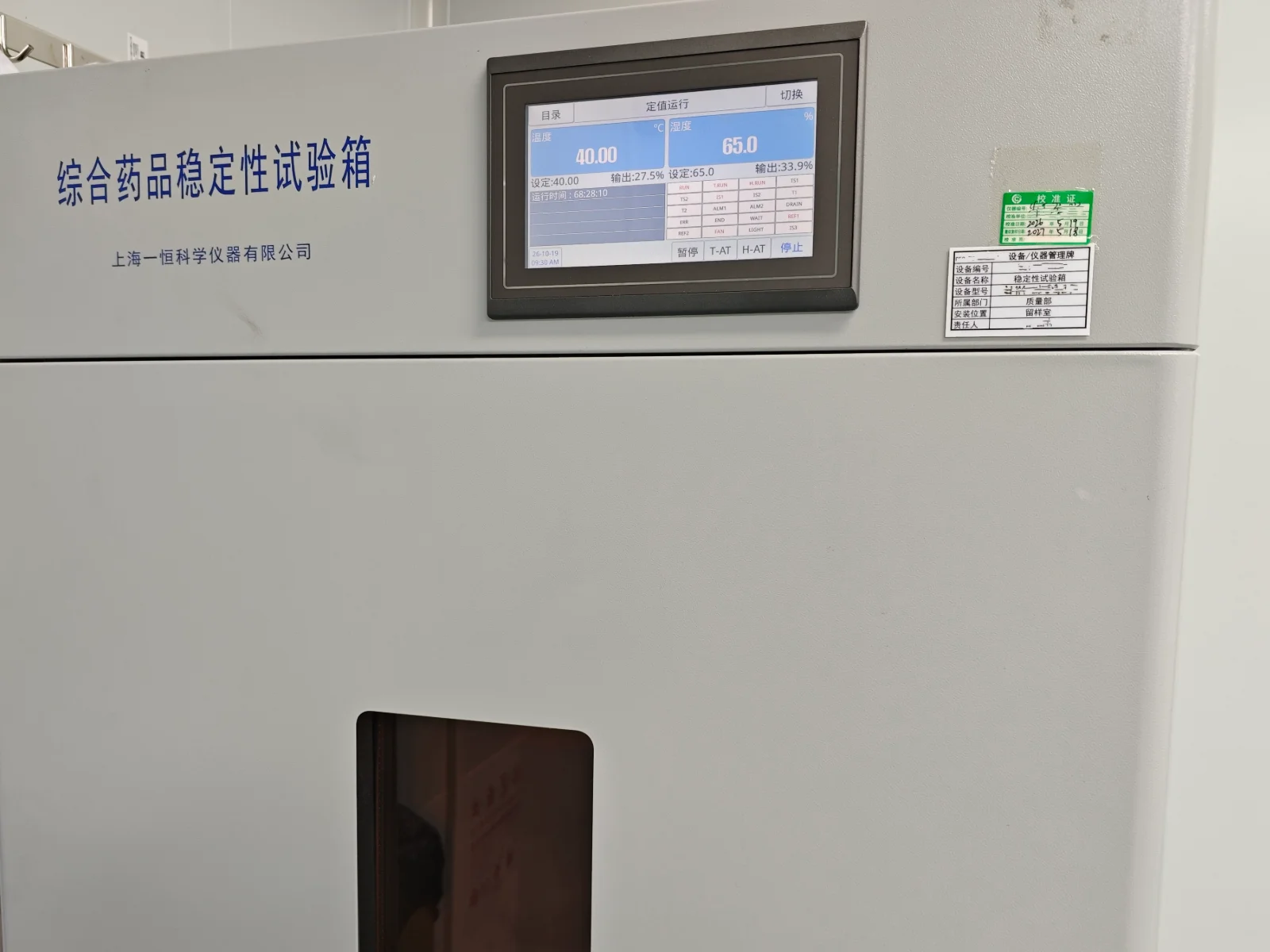
We also recommend asking the manufacturer to conduct accelerated stability testing. This involves monitoring the product for 3 months under defined high-temperature and high-humidity conditions.
These results provide a reference for assessing the creatine monohydrate content and condition of the product during its shelf life.
Dose
For creatine monohydrate, many studies suggest a recommended daily intake of 3-5g.
This dosage range will therefore be a common design target for both creatine gummies and creatine powder.
However, not everyone needs this amount at all times.
For example, people new to creatine can start with a lower dose to help their gut adjust.
This creates a need for “Dosing flexibility” in product design.
In this regard, creatine powder allows flexible dose adjustments. Creatine gummies, however, are taken in whole-gummy units, making them less flexible than powder.
We recommend focusing on your creatine gummy specifications, including the creatine content per serving, the number of gummies per serving, and the weight of each gummy. This helps meet consumers' actual needs and improve product reviews.
How Many Creatine Gummies per Day?
As mentioned above, the daily intake is an important part of your product design.
Different creatine gummy specifications suit different needs. We have compiled some popular specifications for your reference. Once you have confirmed the right specifications, you can include them on your project's creatine gummies supplement facts label.
| Parameter | 3000mg Creatine Gummies | 5000mg Creatine Gummies |
|---|---|---|
| Daily Intake | 1 serving | 1 serving |
| Creatine Monohydrate per Serving | 3g | 5g |
| Gummies per Serving | 3 gummies | 3 gummies |
| Weight per Gummy | 5g | 5g |
| Creatine Content per Gummy | 20% | 33.33% |
| Pack Size | creatine monohydrate gummies 60ct | creatine monohydrate gummies 90 count |
| Target Users | Beginners / Trial Users | Professional Users / Long-Term Users |
Formula
These two products have significantly different formulations because they are consumed in different ways.
For creatine gummies, the product first needs to set properly, resist melting or deformation during transport, and maintain an excellent chewy texture.
For creatine powder, the core requirement is to disperse evenly in water without clumping, providing a pleasant drinking experience.
Therefore, to help the gummies set properly and taste good, creatine gummies ingredients generally include the following:
-
Sweetener base: Sucrose, sugar alcohols
-
Gelling agents: Pectin, gelatin
-
Water: Water
-
Added ingredients: 5000mg creatine monohydrate, additional functional ingredients (optional)
-
Food additives: Emulsifiers (SE), setting agents (plant fiber), colorings (natural / artificial), flavorings (natural / artificial), pH regulators (citric acid)
However, it is hard to deny that creatine monohydrate powder has an unpleasant mouthfeel. Therefore, flavored creatine monohydrate powders are often more popular, and most brands develop them. The formula is as follows:
-
Functional ingredients: Creatine monohydrate, additional functional ingredients (optional)
-
Flavoring ingredients: Food flavorings, sweeteners
-
Acidity regulators: Citric acid, malic acid
-
Colorings: Natural colorings, synthetic colorings
-
Anti-caking agent (as needed): Silicon dioxide
Compared with creatine powder, creatine gummies have an extra formulation requirement: they need to set into shape. This often leads to higher development costs and less formulation flexibility.
Therefore, the gummy format does not have an advantage in this area. If you want to develop products with higher ingredient loads and more ingredient combinations, we recommend choosing creatine powder.
When developing multi-ingredient creatine gummies, combinations with Magnesium Gummies and CoQ10 Gummies are common formulation options.
Therefore, developing creatine gummies often requires a careful balance. Your product's formula needs thorough evaluation. Working with an experienced creatine gummy manufacturer can help you achieve a better product design.
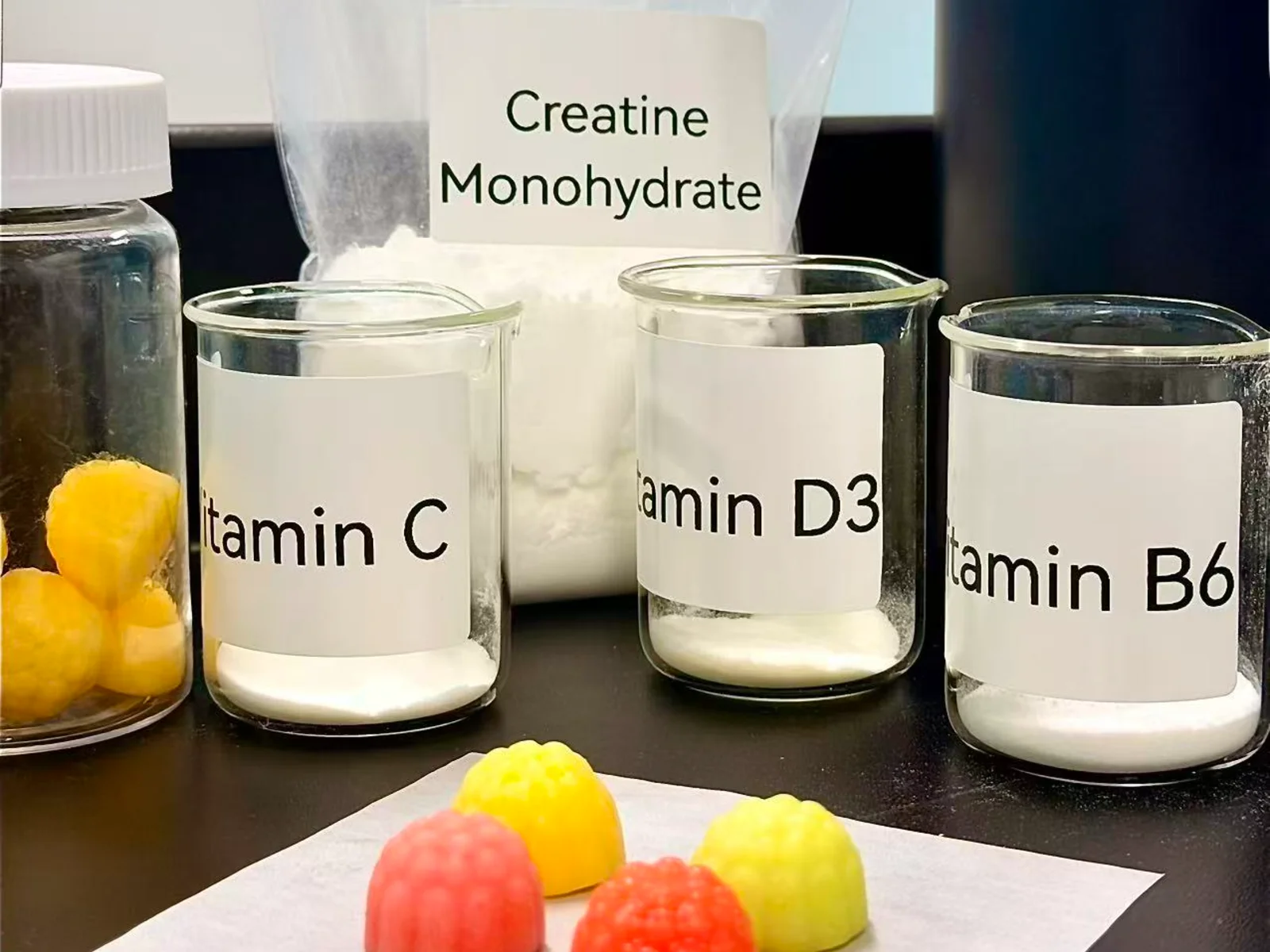
Verifying the Authenticity of Creatine Powder and Gummies
As mentioned above, both creatine powder and creatine gummies have their own product definitions. However, any comparison between them should be based on accurate creatine monohydrate content.
Therefore, during product development, you should pay closer attention to the content provided by the manufacturer. Focus on developing creatine gummies that actually have creatine, and avoid letting excessive ingredient combinations and quality claims shift the focus of product development.
Creatine monohydrate content is typically verified using high-performance liquid chromatography with UV detection (HPLC-UV). This method can be used to meet regulatory requirements in several countries and regions.
Taking creatine gummy testing as an example, reports typically show the content as a percentage or the mass of creatine per gram of gummy.
For example:
(Creatine:34.00% or 3.40 × 10² mg/g )
These values are equivalent: 3.40 × 10²mg/g = 0.34g/g = 34.00%. They simply express the same content in different ways.
For a common specification of 3 gummies per serving and 5g per gummy, the product provides 5 × 34.00% × 3 = 5.10g of creatine per serving. Based on the recommended daily creatine intake of 3-5g, it can be considered a product with a genuinely high creatine content.
The same applies to creatine powder, but powder serving sizes are more flexible. You can compare the test results with the actual amount consumed to determine the powder's actual creatine content.
Selecting a Reliable Manufacturer for Creatine Product Development
As mentioned above, you can request supporting documents from the manufacturer to verify the authenticity of creatine powder and creatine gummies.
However, a set of creatine gummies test results only reflects the batch submitted for testing. In practice, finished products may vary due to changes in the formula, creatine raw materials, or processing environment.
Therefore, we recommend the following steps to keep monitoring the creatine content of both powder and gummies.
-
First, prioritize a creatine gummy supplier with relevant qualifications, including GMP, HACCP, ISO 22000, and BRCGS.
-
Then, ask the manufacturer for finished-product test reports. For creatine gummies 3rd party teste, more authoritative options include “nsf certified creatine gummies” and “eurofins creatine gummy test”.
-
Next, after receiving creatine product samples from the manufacturer, send them to a testing laboratory for additional creatine gummies independent testing. Calculate the content from the results and confirm the golden sample with the manufacturer.
-
Finally, ask the manufacturer to provide batch reports during mass production and release reports when the products leave the factory.
A reliable manufacturer will also provide accelerated stability test results. These help further assess the creatine content of the gummies or powder at the end of shelf life and reduce risks for your commercial project.

FAQ
1. What to Look for in Creatine Gummies?
We believe the key points to focus on are:
-
Creatine monohydrate content in the finished product
-
Raw material COA reports
-
Stability test reports
-
Formula
-
Texture
-
Flavor
-
Appearance
The first three have the highest priority. Ensure that the gummies have verified creatine content, compliant raw materials, and good stability before discussing formula and texture improvements with the manufacturer.
2. Are Creatine Gummies as Effective as Powder?
Yes. Both products deliver creatine monohydrate in different forms. In product development, as long as they provide the same creatine monohydrate intake, they are equally effective.
However, gummy production can cause varying amounts of creatine monohydrate loss. The same initial input amount therefore does not produce the same effects.
You should therefore emphasize to the manufacturer that the creatine monohydrate content at the end of the product's shelf life is the benchmark.
3. Why Do Creatine Gummies Or Powder Both Use Creatine Monohydrate?
Creatine monohydrate is the hydrated form of creatine. In theory, 1g of creatine monohydrate provides 0.879g of anhydrous creatine. Despite its lower creatine content, creatine monohydrate is chosen for product development because of storage and processing needs.
Anhydrous creatine readily absorbs moisture and can easily convert into creatine monohydrate during raw material storage and processing.
Therefore, creatine monohydrate has become the preferred creatine raw material because it is stable, stores well, and has more research behind it.
4. Are Creatine Gummies Better than Powder?
In some respects, yes, because they are convenient and tasty. They can be used at the gym or outdoors. In practice, helping consumers take them consistently can improve how they experience the benefits.
I believe the main reason to recommend developing this format is the product experience. A better experience can help improve your product's positive review rate and repeat purchase rate, while encouraging consumers to keep using it over the long term.
And from a commercial perspective, their candy-like features and appearance can strengthen your brand identity, making it easier to gain market share among similar creatine products.
Beyond meeting the required creatine monohydrate content, this is your main focus during product development.
5. How Many Creatine Gummies Equal One Scoop of Powder?
This matters when setting your product specifications. The most common specification for creatine gummies is 5g of creatine monohydrate per serving.
For creatine powder, nearly all brands aim for the recommended daily intake of 5g. Whether supplied in bags or with scoops, the products are also designed to provide 5g each time they are used.
Therefore, you can generally consider 3 creatine gummies equivalent to 1 scoop of creatine powder. Other specifications need to be calculated separately.
Final Thought
In summary, creatine gummies and creatine powder differ in five areas: user experience, cost, stability, dosage, and formulation.
For brands and consumers, these differences affect commercial value, development difficulty, and user experience.
You can develop a product that suits your brand and project needs. If you have any project questions, feel free to contact us — a professional creatine gummies manufacturer — Sucotond.