
Our Certifications
Click the image to view.


Features of Custom Hair Gummies
- 2,500 mcg biotin per two-gummy nutrient reference serving
- Bamboo extract and silicon amounts stated separately
- Animal protein sources identified for keratin and collagen
- L-cystine specified separately from L-cysteine
- Pectin-based options for compatible vegan hair nutrient blends
Hair Gummies Built Around Your Selected Ingredients
Hair gummies bring daily hair nutrients into a chewable format, but a biotin-and-vitamin blend behaves differently from a keratin or botanical formula. Microgram quantities of biotin need even distribution, while protein and extract additions affect the space available for the gummy base. Zinc-containing blends also need attention to mineral aftertaste.
For your private label hair gummies, SUCOTOND would define each nutrient amount, distinguish bamboo extract weight from silicon content, and identify keratin or collagen sources before sampling. Our taste trials would assess the complete daily serving, including the selected pectin and sweetening system. The resulting development brief would connect your hair ingredient profile with biotin distribution checks, flavor references, and serving information, giving formulation and packaging teams the same product specification.
Hair Gummies Formulation Options
Choose the ingredients that will define your hair supplement. These six development concepts differ in their vitamin, mineral, protein, amino acid, or botanical composition. Pectin and sugar-free options can be incorporated where the complete formula supports the intended dietary attributes.
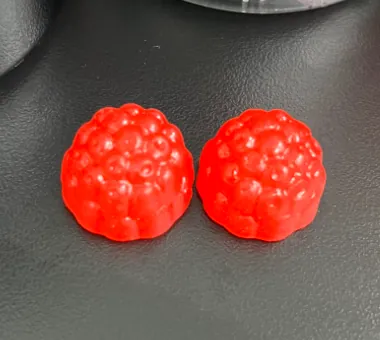
Biotin Hair Gummies with Vitamins C and E
A vitamin-led hair gummy combining biotin with vitamins C and E in a fruit-flavored base. This concise nutrient blend suits a daily hair supplement without added keratin, collagen, or botanical extracts.
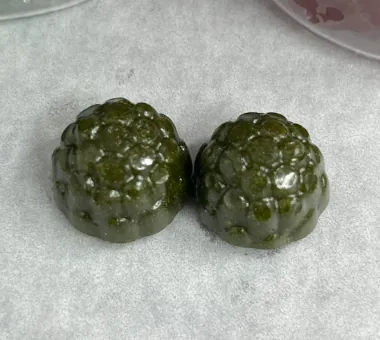
Biotin and Bamboo Silica Hair Gummies
Bamboo extract supplies silicon alongside biotin, with vitamin C or zinc as optional companions. The plant-derived silicon source gives this hair gummy a different ingredient profile from a vitamin-only blend.
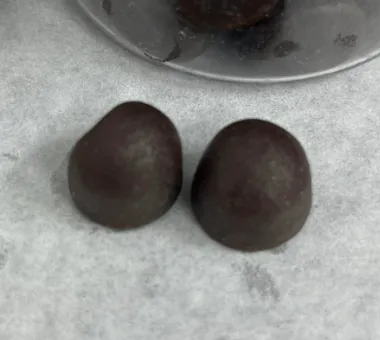
Hydrolyzed Keratin Hair Gummies
Hydrolyzed keratin from a specified animal source combines with biotin, vitamin C, and zinc. This protein-containing hair gummy offers a distinct composition for brands that do not require vegan positioning.
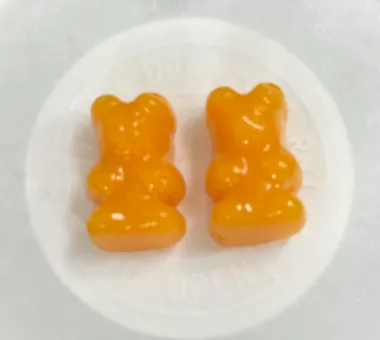
L-Cystine Hair Gummies with Vitamin B6 and Zinc
An amino acid and micronutrient gummy combining L-cystine with vitamin B6 and zinc. A formulation without added keratin, with optional biotin and a pectin base for compatible vegan ingredient selections.

Biotin-Free Botanical Hair Gummies
Pumpkin seed and saw palmetto extracts form the core of a biotin-free hair gummy, with horsetail or taurine as optional additions. A botanical-led option for a dedicated hair supplement line.

Collagen and Biotin Hair, Skin & Nails Gummies
Fish-derived collagen pairs with biotin, vitamin C, and zinc in a hair, skin, and nails gummy. The protein and micronutrient blend suits a broader beauty supplement line with declared fish ingredients.
Hair Gummies Development Scenarios
Sugar-free nutrient blends and keratin formulas place different demands on ingredient loading, flavor, and texture. The following development examples show how Sucotond would translate your hair gummy brief into formulation specifications and samples for evaluation.

A Sugar-Free Biotin and Bamboo Hair Gummy
Sucotond would start by separating the biotin amount, bamboo extract input, silicon content, and L-cystine target in the formula sheet. We would select compatible non-animal ingredient sources and compare pectin samples with a sugar-free sweetening system. Berry flavor trials would assess the finished combination for zinc aftertaste, botanical notes, and sweetness across both gummies. Our proposed deliverables would include comparison samples and a specification recording the selected nutrient forms, extract composition, taste reference, and 60-count bottle configuration.
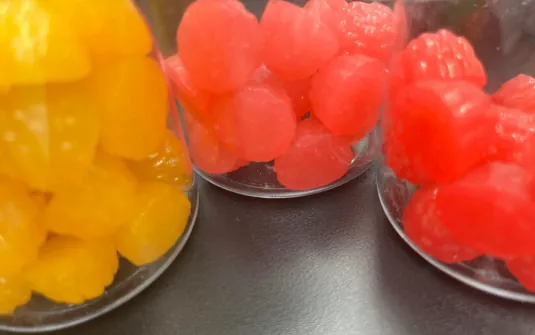
A 250 mg Keratin Reference in Two Gummies
Our starting brief would use 250 mg hydrolyzed keratin per two-gummy serving, equivalent to 125 mg per piece. At a trial weight of 3 g per gummy, keratin represents about 4.2% of piece weight, before the other actives and any raw-material carriers are counted. Sucotond would use the keratin specification to calculate raw input, then compare peach-mango samples for protein notes, chew, and piece consistency. We would document the animal source, each micronutrient amount, and a 60-gummy pack in the sample specification. The final serving would follow sample evaluation and the evidence supporting your intended positioning.
Resource Center
Catalog Download
You can view and download our product catalog here to gain a comprehensive understanding of the gummy categories we offer. We believe you will be pleasantly surprised.
DownloadCertifications Download
You can view and download our certificates and reports here. Internationally recognized certifications and unified standards are our most sincere assurance to you.
DownloadVideos
You can take a look at our factory, production lines, and products here. Seeing is believing, and we're committed to building your trust through every possible means.
Watch VideoMore About Sucotond
| Parameter | Development Reference or Option | Formula Decision |
|---|---|---|
| Biotin and vitamin reference | Biotin 2,500 mcg plus vitamin C 100 mg per two-gummy serving | Define any added vitamin E, zinc, or other nutrients separately |
| Keratin reference | Hydrolyzed keratin 250 mg per two-gummy serving | Identify the animal source, keratin specification, and accompanying micronutrients |
| Bamboo ingredient | Bamboo extract with a specified silicon content | Record extract input and delivered silicon separately; do not equate their weights |
| Amino acid composition | L-cystine with vitamin B6 and zinc | Specify L-cystine identity, ingredient grade, and amount per daily serving |
| Biotin-free botanical composition | Pumpkin seed and saw palmetto extracts; optional horsetail or taurine | Define each extract and amount; exclude biotin from the full formulation |
| Collagen composition | Fish-derived collagen with selected biotin, vitamin C, and zinc | State collagen content separately from total blend weight and identify the fish source |
| Daily serving | Two gummies once daily as the reference format | Reassess the whole-piece count if keratin or extract loading changes |
| Trial gummy weight | 3 g per piece as an initial sample target | Evaluate the remaining base after active ingredients, carriers, and other solids are included |
| Gummy base | Pectin or a compatible gelatin system | Vegan concepts exclude animal-derived keratin, fish collagen, and other incompatible ingredients |
| Sweetening system | Conventional sugar or sugar-free development option | Compare sweetness and chew with the actual zinc, protein, and botanical blend |
| Flavor direction | Strawberry or berry for nutrient blends; peach-mango for keratin trials | Compare the full daily serving for mineral, protein, and botanical aftertaste |
| Bottle configuration | 60 gummies; 30 days at two gummies daily | Select bottle capacity after actual gummy dimensions and fill trials |
| Storage and shelf life | Established using the selected formula and sales packaging | Track relevant nutrient content, gummy texture, sticking, and appearance over time |
| Review Area | Proposed Evaluation | What the Results Should Establish |
|---|---|---|
| Biotin input | Check premix potency, dilution, carriers, and mcg-to-mg calculations | The intended biotin amount is distinguished from premix input weight |
| Biotin distribution | Compare selected individual gummies and samples from the beginning, middle, and end of production | Distribution is assessed alongside piece weight, rather than through a batch average alone |
| Finished nutrient content | Use methods appropriate to the gummy matrix for biotin and selected vitamins or minerals | Finished-product results correspond to the agreed amounts and units |
| Bamboo and silicon | Review extract identity, silicon specification, and relevant content verification | Bamboo extract weight and silicon content remain distinct in the formula and label |
| Keratin and collagen | Review protein identity, source, assay information, and carrier content | Raw input is calculated for the selected protein specification, with animal sources identified |
| L-cystine and botanicals | Verify L-cystine identity and the botanical species, plant parts, and extract specifications | The materials match the chosen amino acid or botanical formulation |
| Full-serving sensory quality | Compare mineral aftertaste, protein notes, botanical character, sweetness, and chew | Flavor acceptance reflects the complete intended daily serving |
| Packaged product quality | Evaluate nutrient retention, texture, sticking, appearance, and ingredient-related microbial or contaminant risks | Release criteria and any shelf-life date are supported for the proposed product and pack |
| Formula and label consistency | Check biotin units, silicon declarations, fish ingredients, dietary attributes, and proposed hair claims | Ingredient information and claims correspond to the actual composition and supporting evidence |
| Project Input | Hair Gummy Decisions to Include |
|---|---|
| Hair supplement positioning | Dedicated hair nutrition or hair, skin, and nails; adult audience and intended sales channel |
| Defining ingredient combination | Biotin with C/E, bamboo-derived silicon, hydrolyzed keratin, L-cystine, biotin-free botanicals, or fish collagen |
| Amounts per daily serving | Biotin in mcg; selected proteins, amino acids, minerals, and extracts in appropriate units; silicon content separate from extract weight |
| Ingredient exclusions | Whether biotin, fish collagen, animal-derived keratin, gelatin, or particular botanicals must be excluded |
| Taste priorities | Acceptable zinc aftertaste, protein or botanical notes, preferred fruit flavor, and sugar or sugar-free direction |
| Serving and pack | Intended daily gummy count, target piece weight, and bottle count; recalculate the days of supply together |
| Reference product and claims | The complete reference label, ingredient specifications, and evidence for the particular hair outcomes you intend to describe |
| Quotation scope | The same daily formula and pack count for each quote, with packaging, testing, order quantity, and delivery scope identified |
Define the Hair Benefit Before Choosing Ingredients
Separate Hair Density, Shedding, and Breakage
Before choosing ingredients for your hair gummies, decide which change you want the product to support. Hair density concerns the number of hairs within an area of scalp; shedding concerns hairs released from follicles, while breakage concerns damage along the shaft. A report that hair feels fuller does not establish a change in density.
Choose a primary benefit specific enough to guide your evidence review. For reduced breakage, examine how broken fibers were assessed; a mechanical strength test measures a related but different property. For improved density, look for hair counts within a defined scalp area, rather than photographs alone. A general promise of healthier hair leaves too much uncertainty about which proposed formula best fits your product.
Decide Whether Skin and Nail Benefits Belong in the Same Product
A hair-focused range can prioritize that goal without adding separate skin and nail promises. Hair, skin, and nails gummies need support for each benefit: including biotin or collagen does not establish improvement in all three areas. Review the corresponding outcomes separately, including whether the supporting formula and intake match your product.
Choose broader beauty positioning when the evidence supports that scope. If the strongest relevant evidence concerns one hair outcome, keep that outcome central. This gives you a clearer basis for deciding which studies and ingredients deserve attention.
Evaluate the Evidence Behind Your Hair Gummy Formula
Distinguish Nutrient Support From Demonstrated Hair Improvement
Biotin has normal metabolic functions, and deficiency can affect hair. Those facts do not establish that extra biotin improves hair growth in adults with adequate intake. The NIH review of biotin describes limited evidence for hair, skin, and nail benefits. A higher biotin number therefore needs justification beyond its prominence on the label.
When assessing whether hair gummies work, identify whether the evidence concerns correcting a deficiency or improving a measured hair outcome in the intended users. A nutritional rationale can explain an ingredient's inclusion; a stronger claim about visible improvement needs evidence for that result. Comparing biotin amounts alone cannot answer both questions.
Match Protein and Botanical Claims to the Studied Formula
For protein or botanical formulas, establish exactly what was studied. Keratin preparations can differ, while botanical extracts require a specified species, plant part, and extract composition. A shared ingredient name is insufficient to establish that two products will perform alike.
For example, a May 2023 gummy technical sheet lists 250 mg of a hydrolyzed keratin preparation per serving. A 2014 randomized trial used 500 mg of a specified keratin with vitamins and minerals in capsules daily. These are separate formulations. Doubling a generic gummy's keratin amount would not, by itself, reproduce the studied product.
For a collagen, L-cystine, or botanical proposal, request the same comparison of ingredient identity, accompanying nutrients, and daily amounts. Favor evidence relevant to the complete proposed composition over a collection of unrelated ingredient studies.
Read the Measured Result and Timeframe Together
Gummy-specific research can be useful when interpreted within its conditions. In a six-month randomized trial involving 65 women, a particular nutrient-and-botanical gummy improved hair density relative to placebo. The between-group difference in hair tensile strength was not statistically significant. The study was industry-funded, and its results do not establish the performance of other hair gummies.
Read the measured endpoint, comparison group, study population, and duration together. Use the placebo comparison to judge whether a change exceeds what occurred without the active formula. Keep questionnaire responses separate from measured density or strength, even within the same study. A result at six months does not establish when improvement first became noticeable, so tie timing claims to the actual assessment schedule. Customer reviews can reveal taste or packaging problems, but they cannot verify the benefit or ingredient content of your formula.
Turn the Evidence Into a Suitable Daily Formula
Specify Ingredient Forms and Total Daily Amounts
Translate relevant research into an ingredient-by-ingredient specification. Record the form and actual amount of each ingredient per serving, then multiply by the planned servings per day. Use those daily totals for the research comparison. For biotin, distinguish its active quantity from the weight of a diluted premix: 2,500 mcg equals 2.5 mg of biotin, but supplying that quantity may require a larger premix input.
For bamboo-based formulas, specify silicon content separately from bamboo extract weight. For keratin or collagen, identify the preparation and any carriers before calculating raw input. A proprietary blend's total weight also cannot substitute for its individual ingredient amounts. These distinctions let you compare the proposed daily intake with the evidence without confusing raw-material weight with delivered content.
Check Whether the Evidence Fits Your Intended Users
The specification also needs a defined audience. Research in women with thinning hair does not automatically establish the same outcome in men or in people without that concern. Review age, sex, and the participants' initial hair and nutritional status before deciding how broadly the evidence applies. If baseline nutrient status was not reported, the study cannot tell you whether participants were deficient or already had adequate intake.
Hair growth gummies for women and men may share a formula. Different branding does not, on its own, justify different ingredient amounts. If you propose separate formulas, identify the particular need or evidence supporting each difference. The same principle applies to products marketed for particular ethnic groups: audience demand alone does not establish different nutrient requirements.
Review Biotin and Other Ingredient Risks at That Intake
Assess suitability using the full daily formula. The FDA warns that biotin can interfere with certain laboratory tests, including some troponin assays. Product information should address disclosure of biotin use to healthcare professionals. A single universal instruction to stop for a fixed number of hours cannot account for different tests and circumstances.
The absence of an established upper intake limit for biotin does not demonstrate the safety of the full blend. For example, chronically excessive selenium intake can cause hair loss and nail problems, making the daily amount relevant to a beauty formula. Fish-derived collagen calls for fish-allergen review as well as source disclosure. Define ingredient exclusions and appropriate warnings for your audience; removing biotin or choosing a vegan label does not resolve every risk in a combination product.
Make That Daily Formula Work as a Gummy
Calculate Gummy Count Before Comparing Gummies and Pills
With daily ingredient targets established, calculate what each piece must contain. A hypothetical development target of 250 mg keratin daily requires 125 mg per gummy in a two-piece format, or 62.5 mg in a four-piece format. These are composition calculations, not evidence that either serving is effective or technically achievable.
Ask for proposed piece weight and complete ingredient loading before accepting the gummy count. If the serving becomes impractical, compare a larger piece, a revised formulation, or capsules at the same intended intake. A lower-dose gummy represents a different specification. Compare gummies and pills using the same ingredient preparations and daily amounts; the dosage format alone does not establish superior absorption or results.
Assess Dietary Attributes and Flavor in the Complete Serving
The chosen ingredients constrain the base. Vegan hair gummies require suitable sources throughout the recipe; pectin cannot make animal-derived keratin or fish collagen vegan. For vegetarian ranges, agree on permitted ingredient sources explicitly instead of treating vegetarian and vegan as interchangeable. For sugar-free hair gummies, check finished sugar content and the associated labeling conditions; replacing one sweetener does not establish that the complete recipe qualifies.
Evaluate samples at the intended daily gummy count. Zinc notes, protein character, botanical flavor, and sweetener aftertaste can affect acceptance across the whole serving. Record chew, sticking, and aftertaste alongside the flavor reference. A pleasant single piece does not establish that four pieces are acceptable daily. Resolve these issues in the complete formula before approving the sample as your production reference.
Verify the Finished Product Before Comparing Quotes
Confirm Nutrient Content, Distribution, and Stability
Sample approval defines what the commercial product should deliver. Request finished-product information against that specification, using testing appropriate to the gummy matrix. Ask the laboratory how it accounts for matrix interference and measures the selected actives at the intended concentrations. A raw-material certificate of analysis describes the incoming ingredient; it does not establish the nutrient content of the finished gummies.
For microgram-level biotin, review distribution as well as average content. A useful sampling proposal considers individual gummies, piece weight, and material produced at different stages of the batch. Agree on the sampling rationale and acceptance criteria with the manufacturer. Include ingredient-related microbial and contaminant risks in the quality review, rather than treating a potency result as a complete assessment.
Ask for stability evidence relevant to the intended sales packaging, covering selected actives, texture, sticking, and appearance. A release-day assay does not show that biotin remains within specification throughout the stated shelf life. The FDA guidance calls for supporting data for any shelf-life date used. Evidence that a product meets its composition specifications answers a manufacturing question; it does not replace research supporting its hair benefits.
Compare the Same Formula and Days of Supply
Use the agreed specification to compare offers for private label hair gummies. Keep ingredient preparations, actual daily amounts, gummy count, pack size, and order quantity consistent. A lower price attached to less keratin or a different extract is a different formulation offer.
Also calculate days of supply: 60 gummies provide 30 days at two daily, but only 15 days at four daily. Compare cost per day only after confirming that the daily formulas are comparable. Have each quotation identify bottles, closures, labels, testing, and delivery charges. Request an updated specification with any change to ingredient grade, daily amount, or gummy count so you can see exactly what the revised price buys.
Frequently Asked Questions
Common questions about custom gummy supplement manufacturing, private label service, and production support.

Start Your Hair Gummy Project
Share your hair gummy requirements — dosage, flavor, packaging, and target market. We will review feasibility and get back to you within 24 hours.
Share your project details — our team will review feasibility, process alignment, and next steps.