
Our Certifications
Click the image to view.



Features of Custom Calcium Magnesium Zinc Gummies
- Calcium carbonate, citrate, or phosphate development routes
- Magnesium citrate or glycinate ingredient options
- Zinc citrate or gluconate ingredient options
- Vitamin D3 and K2 MK-7 amounts specified separately
- Finished-gummy specifications cover all three mineral amounts
Calcium Magnesium Zinc Gummies Built Around Mineral Load and Taste
Calcium magnesium zinc gummies suit brands developing daily bone health supplements for people who prefer chewing to swallowing mineral tablets. They combine three minerals in one formula, but may be unsuitable when your intended amounts require an overly large serving. Before sampling, confirm each mineral's elemental amount, the target age group, and an acceptable number of gummies per day.
SUCOTOND evaluates calcium-source particle size and dispersion alongside the selected magnesium and zinc ingredients. We compare grittiness, aftertaste, and chew at fixed elemental targets, then adjust the mineral-source combination, gummy base, and flavor system together. Your private label formula is developed around three separately specified mineral amounts, a practical serving count, and agreed sensory criteria.
Calcium Magnesium Zinc Gummies Formulation Options
Explore six formulation options for your range. Options can be combined, with final specifications established through development.

Adult Calcium Magnesium Zinc Gummies with Vitamin D3
Calcium, magnesium, and zinc with vitamin D3 in an adult daily gummy. A focused option for bone health ranges seeking three minerals and vitamin D in a single chewable supplement.

Calcium Magnesium Zinc Gummies with Vitamin D3 and K2
An adult three-mineral formula with vitamin D3 and K2 MK-7. This expanded nutrient combination suits bone health lines seeking a distinct alternative to a three-mineral gummy with vitamin D3 alone.
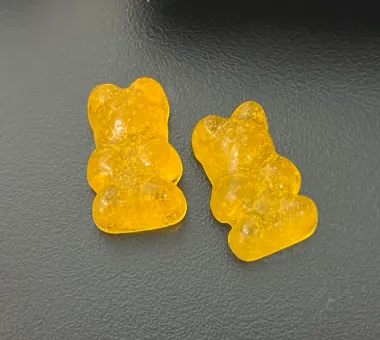
Children's Calcium Magnesium Zinc Gummies with Vitamin D3
A children's formula combining calcium, magnesium, zinc, and vitamin D3 in a fruit-flavored chew. Mineral amounts, gummy size, and serving are developed for a defined age group within your range.

Sugar-Free Calcium Magnesium Zinc Gummies
A three-mineral gummy with an alternative sweetener system for sugar-free product lines. This option replaces the conventional sugar-based recipe while keeping calcium, magnesium, and zinc targets defined for each serving.

Vegan Calcium Magnesium Zinc Gummies
A pectin-based three-mineral gummy formulated without animal-derived ingredients. When vitamin D3 is included, a lichen-derived source provides an alternative to lanolin for brands developing a vegan daily mineral supplement range.

Calcium Citrate Magnesium Zinc Gummies
A three-mineral formula using calcium citrate as the calcium source, alongside separately selected magnesium and zinc ingredients. This option suits brands specifying citrate-based calcium within a combined mineral gummy range.
Calcium Magnesium Zinc Gummies Development Scenarios
These illustrative development scenarios show how Sucotond translates different brand requirements into tailored calcium magnesium zinc gummy formulations.

Keeping Three Mineral Targets Consistent Across Flavor Trials
Sucotond would first compare fruit flavors using the same mineral sources, gummy base, and elemental targets. If grittiness or aftertaste required a source or base change, we would evaluate the revised formula separately. The goal would be a three-gummy formula meeting the brand's mineral targets and agreed sensory criteria, ready for finished-product checks.

Developing a Children's Formula for a Defined Age Group
Sucotond would propose mineral and D3 amounts for the intended age group, then develop a suitable gummy size and chew. We would refine flavor and sweetness through sample review and align the formula with serving directions and age-related precautions. The target would be a children's gummy with age-specific nutrient amounts, an agreed chewing texture, and matching label information.
Resource Center
Catalog Download
You can view and download our product catalog here to gain a comprehensive understanding of the gummy categories we offer. We believe you will be pleasantly surprised.
DownloadCertifications Download
You can view and download our certificates and reports here. Internationally recognized certifications and unified standards are our most sincere assurance to you.
DownloadVideos
You can take a look at our factory, production lines, and products here. Seeing is believing, and we're committed to building your trust through every possible means.
Watch VideoMore About Sucotond
| Parameter | Reference / Development Option | Project Requirement |
|---|---|---|
| Elemental calcium | Adult reference: 300 mg per serving | Specify elemental calcium separately from the calcium ingredient's weight |
| Elemental magnesium | Adult reference: 51 mg per serving | Establish magnesium's own target rather than deriving it from calcium |
| Elemental zinc | Adult reference: 7.5 mg per serving | Define zinc content independently within the complete formula |
| Mineral sources | Calcium carbonate, citrate, or phosphate; selected magnesium and zinc forms | Review elemental contribution, ingredient load, grittiness, and aftertaste together |
| Vitamin D3 and K2 | D3 formula; optional addition of K2 MK-7 | Specify each vitamin's amount, source, and dietary requirements |
| Serving format | Adult reference: three gummies once daily | Match mineral targets with acceptable piece size and daily gummy count |
| Children's formulation | Separate age-specific mineral and vitamin profile | Define the intended age group, serving, gummy size, and chew |
| Gummy base | Pectin or gelatin development routes | Evaluate texture and the complete formula's dietary suitability |
| Sugar system | Conventional or sugar-free development routes | Confirm sweeteners, sensory performance, and the basis for label claims |
| Flavor and texture | Custom fruit-flavor, sweetness, and chew directions | Compare grittiness and mineral aftertaste at the same elemental targets |
| Pack count | Catalog options: 60–120 gummies; custom requirements reviewed | Calculate servings per pack from the final serving definition |
| Packaging and shelf life | Project-specific pack and storage requirements | Support shelf life with stability data for the intended commercial pack |
| Review Item | What to Verify | Supporting Records |
|---|---|---|
| Mineral ingredient identity | Correct calcium, magnesium, and zinc sources, grades, and elemental contributions | Ingredient specifications, batch COAs, and suitable identity records |
| Finished mineral content | Calcium, magnesium, and zinc quantified separately in finished gummies | Matrix-suitable methods and batch results against agreed specifications |
| Within-batch consistency | Mineral distribution across the depositing run and individual pieces where required | Defined sampling plan and corresponding composition results |
| Added vitamins | D3 and K2 identity and finished-product content when included | Vitamin specifications and separate finished-product assay results |
| Flavor and texture | Grittiness, mineral aftertaste, sweetness, firmness, and chew at the intended serving | Approved reference samples and recorded sensory acceptance criteria |
| Dietary and label attributes | Sugar-free, vegan, and allergen requirements across the complete formula | Ingredient declarations, supplier records, and relevant analytical evidence |
| Microbiology and contaminants | Applicable microbial limits and agreed contaminants, including heavy metals | Reports showing methods, limits, and results for the agreed sample scope |
| Packaging and stability | Mineral and vitamin content, texture, sticking, and appearance during storage | Stability results identifying packaging, storage conditions, and test intervals |
| Batch release documentation | Which results support the finished specification and release decision | Agreed finished-product COA and ingredient-to-batch traceability records |
| Brief Detail | Information to Provide |
|---|---|
| Product direction | Adult D3, adult D3 + K2, children's D3, sugar-free, vegan, or calcium citrate; identify any combined requirements |
| Target consumer and market | Intended age group, destination country, and planned product positioning |
| Mineral targets | Elemental calcium, magnesium, and zinc per serving; preferred ingredient forms, if already selected |
| Vitamin requirements | D3 and K2 amounts, preferred forms, and any source restrictions |
| Serving expectations | Preferred gummies per serving, daily servings, piece size, and acceptable chew |
| Flavor and dietary brief | Flavor reference, sweetness, sugar system, vegan requirements, and allergens to exclude |
| Packaging | Bottle, pouch, or other format; gummy count, servings per pack, and label or artwork needs |
| Development starting point | Existing formula, benchmark product, reference sample, or specifications for proposed ingredients |
| Testing and documentation | Required analytes, sampling expectations, COA scope, and supplier qualification documents |
| Quantity and timing | Trial order, expected repeat demand, target launch date, and requested sample variants |
What Calcium Magnesium Zinc Gummies Can Offer
The Roles of Calcium, Magnesium, and Zinc
Calcium magnesium zinc gummies combine three minerals in a chewable supplement. Calcium provides much of the structure of bones and teeth. Magnesium contributes to bone structure and normal muscle and nerve function. Zinc supports normal immune function and growth. These roles explain why the combination appears in daily bone health and mineral nutrition ranges.
When you assess a formula, its value depends on how much it contributes to your intended users' diets. The known functions of its ingredients provide a nutritional rationale; claims about the finished gummy still need evidence relevant to its composition, amounts, and intended users.
A Combined Supplement or a Single Mineral
Start with the intended age group, dietary background, and nutritional purpose of your range. A daily mineral product may aim to contribute calcium, magnesium, and zinc together. A product focused on calcium intake needs a clear reason for adding the other two minerals, particularly if they make the required gummy serving larger.
Set a target contribution for each mineral and an acceptable daily gummy count. Each amount can represent a different share of daily needs. The combined format is practical when the proposed daily intake can be delivered within that gummy count; a more focused formula may be preferable when a single mineral's requirement dominates your brief.
Why Similar Mineral Formulas Can Require Different Gummy Servings
Compare the Three Elemental Amounts Separately
Express each of your targets as an elemental amount per serving. Elemental content is the quantity of the mineral itself, excluding the rest of its source compound. Consider an illustrative formula providing 300 mg calcium from calcium citrate. The 300 mg describes its calcium contribution, not the weight of calcium citrate powder needed to produce it.
Specify magnesium and zinc independently in the same way. A total mineral-blend weight cannot show whether each meets your intended target. A calcium-to-magnesium ratio also leaves out zinc and the absolute amounts: doubling both minerals preserves their ratio while doubling their contribution. Use a ratio to describe an established composition, not as a substitute for the three amounts.
Mineral Sources Change the Ingredient Load
The amount of raw material you need to supply each elemental target depends on its mineral concentration. The NIH Office of Dietary Supplements lists calcium carbonate as approximately 40% elemental calcium by weight and calcium citrate as approximately 21%. Using those figures, the illustrative 300 mg calcium target requires about 750 mg calcium carbonate or 1,429 mg calcium citrate.
Both calculations supply the same elemental calcium contribution. At a fixed total gummy weight, the heavier calcium source leaves less weight available for magnesium and zinc ingredients, vitamins, sweeteners, and the gummy base. Actual calculations must use the selected raw material's specification, including its elemental content and any carriers.
This weight difference helps explain why changing a calcium source can affect serving design. It does not, by itself, establish which finished formula tastes better or is better absorbed. When you select a source, consider both the ingredient weight and its effect on the complete gummy's taste and texture.
Compare Gummies and Tablets on the Same Daily Basis
The total ingredient requirement must fit into the proposed number and size of gummies. In the example above, distributing 300 mg calcium across three gummies gives an average of 100 mg per gummy. A tablet providing 300 mg calcium per tablet matches the calcium contribution of that entire gummy serving.
When you compare complete formulas, also align magnesium, zinc, and any added vitamins. Then apply each product's daily directions. Where multiple servings are intended, multiply every nutrient amount by the daily serving count. Comparing one gummy with one tablet can otherwise conceal a different daily intake.
Use that matched composition to compare the practical serving: gummy count, piece size, and chew versus the number of tablets to swallow. If the gummy serving is unacceptable, review the mineral targets, source combination, or dosage form. Reducing the number of gummies works only if the intended composition remains achievable in the revised pieces.
Choosing Calcium Magnesium Zinc Gummies with D3 or D3 and K2
What Vitamin D3 Adds to the Formula
Vitamin D promotes calcium absorption in the intestine and supports normal bone mineralization. That relationship explains why calcium magnesium zinc gummies with D3 are common in bone health ranges.
Evaluate the vitamin's amount alongside the three mineral amounts in your formula. Two formulas described as "with D3" can provide different daily vitamin D contributions, even when their calcium content matches. Specify D3 per serving and check the total delivered by the proposed daily directions. Choose the amount for the intended age group and nutritional purpose, accounting for other expected vitamin D sources. An adult benchmark is not automatically an appropriate children's specification.
What to Consider Before Adding K2
Vitamin K has a role in normal bone metabolism, and K2 forms such as MK-7 appear in combination supplements. If your brief includes K2, identify its form and amount separately from D3.
The NIH's review of vitamin K describes mixed findings for supplementation and bone outcomes, with further research needed. Adding K2 does not, by itself, establish that a gummy directs calcium into bones or outperforms an otherwise comparable formula without K2. When using research to support your positioning, check the participants, vitamin form, daily amount, and measured outcome. These determine whether a study supports the benefit you intend to describe.
Balancing Mineral Content with the Gummy Experience
Mineral Taste, Texture, and the Sugar System
Evaluate your complete mineral-and-vitamin formula at its intended serving size. Assess powdery or gritty sensations, bitter or metallic aftertaste, firmness, and sticking. A pleasant first bite can still leave an unwelcome finish after several pieces.
For flavor-only trials, keep the elemental targets, mineral sources, base, and serving count consistent. Otherwise, a smoother sample might simply contain less mineral or use a different ingredient system. If you change a mineral source as part of the trial, record it as a formula change and compare both taste and the revised ingredient requirement.
Conventional and sugar-free recipes also need evaluation as complete formulas. Changing sweeteners can alter sweetness, aftertaste, and chew. Choose the sugar system against your dietary positioning and sensory criteria, while keeping the mineral amounts explicit. A sugar-free recipe can have the same mineral targets as a conventional recipe; its sugar status does not establish better mineral absorption.
Confirming the Formula in Finished Gummies
When you approve a sample, an acceptable eating experience is one part of the decision. The proposed nutrient composition needs separate support. An ingredient certificate of analysis documents the supplied raw material, while finished-product results address the mineral content of the completed gummies. Source identity records and elemental content results answer different questions and should be reviewed together.
Review calcium, magnesium, and zinc results separately, using methods shown to work with the finished gummy formula. Match the product, batch, reporting units, and serving calculation to the agreed specification. A pooled sample describes the combined material tested; assessing variation between individual gummies requires a sampling and testing plan designed to measure that variation.
Storage evidence should also represent the intended formula and commercial pack. Review specified nutrient content alongside texture, sticking, and appearance over the proposed storage period. A source or packaging change may require further assessment before earlier results can support the revised product.
Matching the Finished Formula to Daily Use
Age-Specific Formulas and Serving Directions
The age group defined in your brief must remain consistent with the nutrient amounts, gummy size, chew, and serving directions. A children's formula cannot be established simply by reducing the number of adult gummies. That lowers all ingredients in the same proportion, whereas age-specific nutrient targets may differ.
For adult ranges, age, diet, and life stage help explain whether separate formulas are useful. Calcium needs, for example, can differ between younger and older adults. A broad "for women" or "for men" label does not specify those differences or establish the appropriate magnesium and zinc amounts. Check that each version's daily serving corresponds to its stated audience and nutritional purpose.
Review Daily Intake and Digestive Tolerance
Calculate the daily contribution of every mineral and vitamin in your formula. Where an upper intake limit is established, compare intake from the relevant sources with that limit. The source rules differ: in U.S. guidance, the adult magnesium upper limit of 350 mg applies to supplements and medications, excluding naturally occurring food magnesium. The adult zinc upper limit of 40 mg includes all sources. Neither limit is a formulation target, and children's limits vary by age.
Digestive tolerance also depends on the ingredients and amounts. Supplemental magnesium can cause diarrhea or cramping, while calcium supplements can cause constipation or bloating. If a sugar-free formula contains sugar alcohols, those ingredients can contribute gas, bloating, or diarrhea in some users. Review the actual sweetener system as well as the mineral amounts when assessing tolerance.
Your final label review should cover daily directions and precautions relevant to the composition and intended users. K2-containing formulas require attention to vitamin K interactions, particularly with warfarin. Impaired kidney function can increase the risk from excess magnesium and warrants professional assessment before use.
Frequently Asked Questions
Common questions about custom gummy supplement manufacturing, private label service, and production support.




Start Your Calcium Magnesium Zinc Gummy Project
Share your calcium magnesium zinc gummy requirements — dosage, flavor, packaging, and target market. We will review feasibility and get back to you within 24 hours.
Share your project details — our team will review feasibility, process alignment, and next steps.