Product Development
Do Electrolyte Gummies Work: A Product Development Guide
Electrolytes replenish the body's minerals. Their multiple functions make them popular in the sports product market.
For electrolyte gummies formulation development, matching the formulation and process can improve the product's effects and user experience.
If you are developing custom electrolyte gummies, I will explain the key development considerations from a manufacturer's perspective.
Are Electrolyte Gummies Effective?
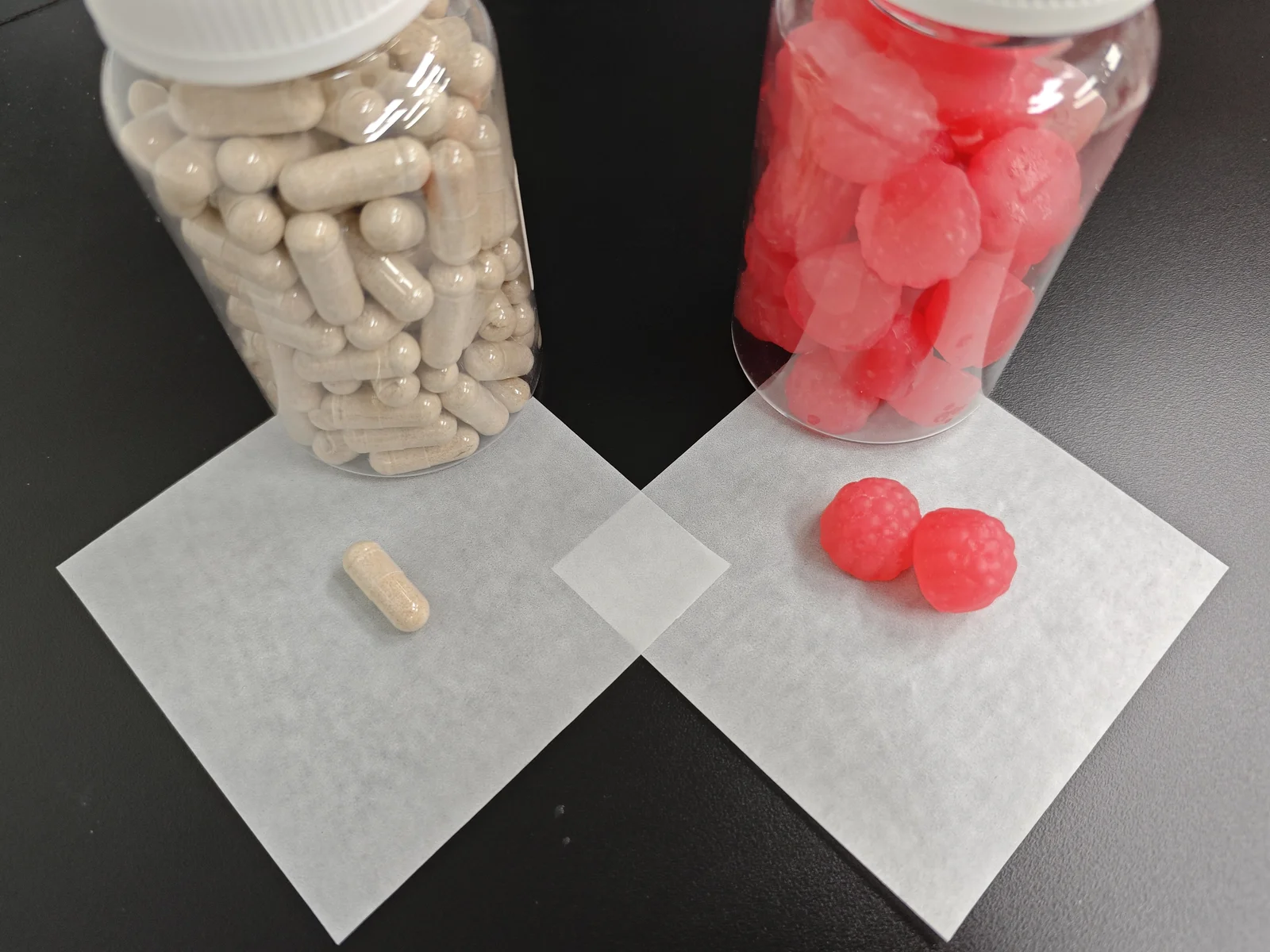
Gummies are an effective dosage form. Electrolyte supplements are more commonly developed as drinks with electrolytes or electrolyte powder.
In terms of ingredients, gummies with electrolytes simply concentrate sodium, potassium, and other elements in a gummy, using forms such as organic salts.
We reviewed some common electrolyte products on the market. The table below provides a clearer comparison of these dosage forms:
| Brand | Product | Serving Size | Electrolyte Content |
|---|---|---|---|
| Na * * | Lime-Lemon Electrolyte Gummies | 2 Gummies per Serving | Total: 325 mg Sodium: 135 mg Potassium: 40 mg Magnesium: 20 mg Chloride: 130 mg |
| Kn * * | Orange-Lemon Electrolyte Gummies | 4 Gummies per Serving | Total: 359 mg Sodium: 94 mg Potassium: 40 mg Magnesium: 56 mg Calcium: 20 mg Chloride: 149 mg |
| Es * * | Lime-Lemon Functional Drink | 450 mL per Bottle | Total: 400 mg Sodium: 200 mg Potassium: 170 mg Magnesium: 30 mg |
| ID * * | Grape Electrolyte Powder | 4.3 g per Sachet | Total: 410 mg Sodium: 105 mg Potassium: 105 mg Magnesium: 100 mg Calcium: 100 mg |
As long as the same electrolyte intake is achieved, electrolyte gummies can deliver the same effects as drinks and powders. You do not need to worry that their small size will reduce the product's effects.
Taking electrolyte gummies with enough water is also necessary for the intended experience. You can state this on the product label.
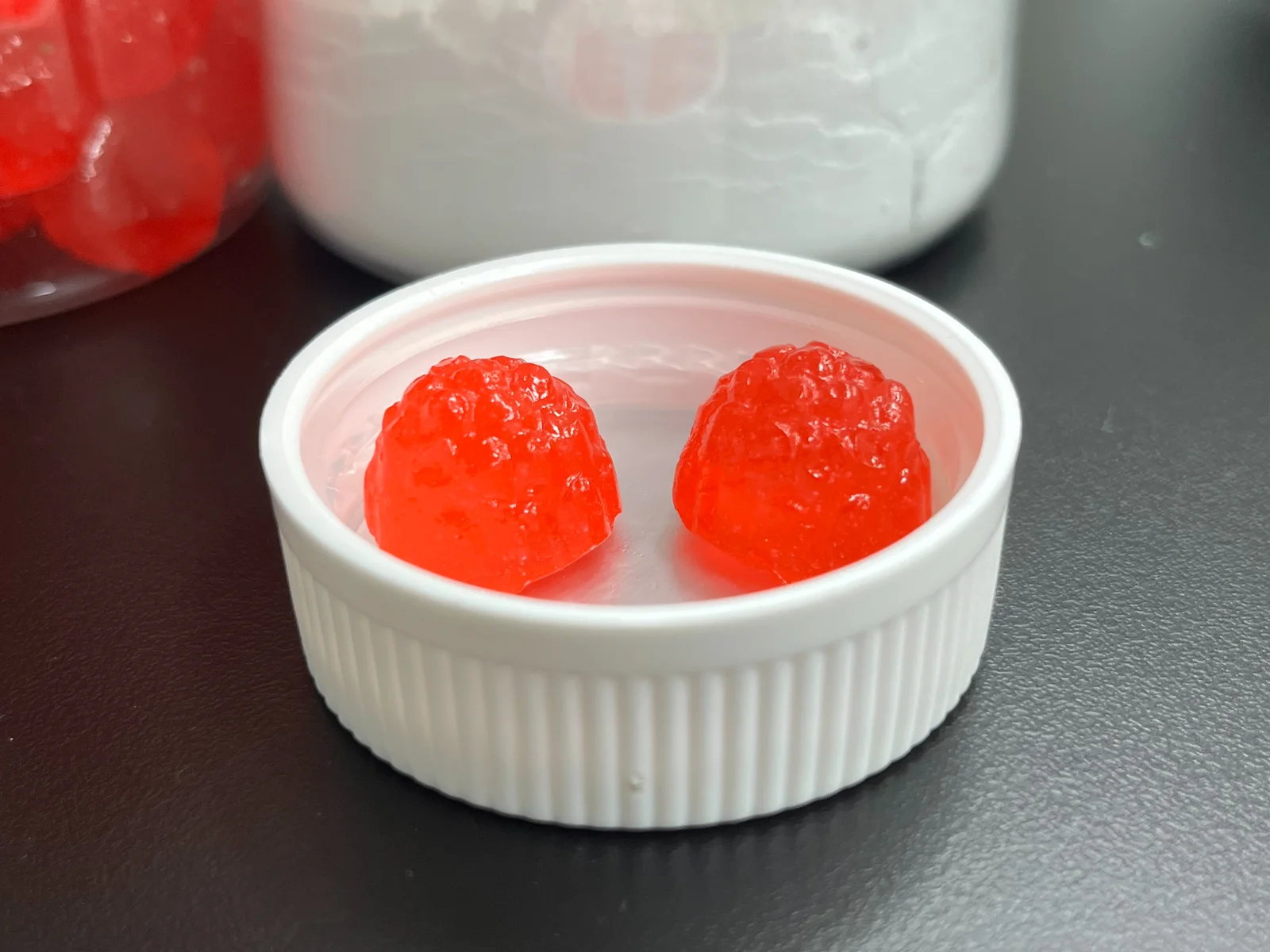
Gummies can also offer additional benefits alongside their functional effects, including portability, an attractive appearance, and good taste. These are distinctive product advantages.
First, agree on content acceptance standards with the electrolyte gummies supplier, such as how much of each electrolyte element a serving of gummies should provide.
Then focus on your product's functional direction and adjust the formula to match its intended effects.
Functional Directions For Electrolyte Gummies
Electrolyte gummies provide sodium, potassium, chloride, calcium, magnesium, and other electrolytes the body needs. The specific combination usually depends on the project.
These elements support basic physiological functions such as cellular osmotic pressure, nerve conduction, and key enzyme reactions.
They play different roles in sports supplementation and daily nutrition, offering several functional directions for your consumers.
You can develop products around the following common directions to create a varied range of electrolyte gummies and expand your brand's business opportunities.
Hydration Support
Heavy sweating removes both water and electrolytes in sweat, especially sodium and chloride. Replacing water alone can worsen the water-salt imbalance, reduce water retention, and weaken the hydration effect.
Gummy electrolytes release mineral ions after chewing and digestion. Taking an appropriate amount of sodium with water can help consumers reduce additional water loss through urine while restoring hydration.
Hydration is therefore often developed as the core function. This is why the market calls these products electrolyte hydration gummies or hydration gummies.
If you want to strengthen this function and build brand recognition around a professional hydration product, we recommend considering glucose and coconut water powder in the formula.
The core functional ingredients in this combination are sodium chloride, sodium citrate, and potassium citrate. They provide sodium and chloride, sodium, and potassium, respectively, helping cells maintain water-salt balance.
Glucose supplies energy and is absorbed in the small intestine along with sodium. Coconut water powder provides additional potassium and other minerals, has established hydration research and consumer recognition, and gives the formula a natural, plant-based product story.
This concept can create a premium hydration product for adult fitness consumers seeking electrolyte replacement after exercise, as well as athletes involved in hiking and ball sports.
Adjusting ingredient ratios also allows different product tiers, such as classic or basic hydration electrolyte gummies for outdoor workers who sweat heavily and frequently.
Sports Performance Support
As exercise continues, sweat keeps removing salts from the body, lowering electrolyte levels. Beyond a certain point, normal cardiovascular and nervous system function is affected, leading to fatigue and weakness.
For athletes resting between bouts of exercise, electrolyte chews can supply substances needed for nerve transmission and muscle activity, helping improve their physical condition and sports performance.
Electrolyte gummies can be developed as specialist products for use during exercise. Unlike the long-term intake positioning of Creatine Gummies, they are better suited to scenarios such as:
-
Preparation before exercise
-
Breaks between training efforts
-
Running aid stations
-
During cycling
Developing products for these scenarios often requires gummies to deliver functional ingredients more promptly.
We therefore recommend considering a combination of carbohydrates and caffeine to strengthen performance support.
Key ingredients such as sodium citrate, potassium citrate, and magnesium glycinate support normal nervous system function. Glucose or sucrose can supply carbohydrates as fuel for exercise.
Caffeine supports alertness and fatigue management during exercise, serving the goal of fast-acting performance support.
You can develop electrolyte sports gummies for different active consumers and adjust their specifications. For example:
1.When developing energy chews with electrolytes for sustained activities such as running and cycling, increase the carbohydrate proportion in the formula.
2.For intermittent sports requiring sustained focus, such as football and tennis, products positioned around electrolytes for tennis need particular attention to caffeine content and small servings taken repeatedly.
3.For people working or training in heat, or consumers who sweat more heavily, compare your product with high sodium sports drinks and focus on sodium content and reminders to drink water.
Training Recovery Support
After heavy training, athletes may experience muscle soreness, stiffness, and temporarily reduced strength over the next day or two. This can disrupt daily life and affect the next training session.
Magnesium in electrolyte gummies can regulate calcium channels in muscles. It helps calcium leave cells normally after exercise, allowing muscle fibers to relax and supporting recovery of muscle function.
For post workout electrolytes, you can therefore consider increasing the magnesium glycinate proportion in the gummy formula.
If you want to strengthen recovery support, tart cherry powder or juice is a high-priority ingredient to consider.
Its polyphenols support the regulation of post-exercise inflammation and oxidative stress. They can complement magnesium, calcium, and other ions as a product design concept.
For your brand, developing hydration supplements for athletes can help consumers manage post-training discomfort and support muscle recovery, making regular training easier to sustain.
The main target consumers include adult strength athletes with particularly heavy training loads and beginners starting a training cycle.
Nerve Support
An electrolyte gummy also has a role in everyday nutrition outside training, including support for nervous system regulation.
The nervous system needs a continuous nutrient supply for daily sensation, movement, and bodily regulation.
A persistently unbalanced diet can lead to inadequate mineral intake. After prolonged work and fatigue, electrolyte imbalance or reduced nerve excitability may then become more likely, bringing tension, fatigue, and difficulty concentrating.
By supplying potassium, sodium, and other nutrients, electrolyte gummies help maintain the distribution of electrical charge across cell membranes. Magnesium also supports active transport of potassium and sodium across membranes, which relates to normal nerve signaling.
You can therefore consider a combination with Vitamin Gummies, especially vitamin B1 for energy metabolism and vitamin B12 for normal nerve function, alongside potassium citrate and magnesium glycinate.
Everyday wellness electrolytes gummies for nerve support can help your brand provide minerals to office workers with unbalanced diets. They can also serve consumers whose limited regional food choices lead to specific mineral deficiencies.
Developing sugar-free electrolyte gummies or meeting clean-label goals such as electrolytes with clean ingredients can also help your product enter the corresponding market.
How To Verify Whether Electrolyte Gummies Are Effective
When developing products for these functions, you may receive samples from more than one electrolyte gummies manufacturer and wonder which are good quality and effective.
The first requirement for effectiveness is that the product delivers the required electrolyte amounts within the planned specifications.
Request a product COA from the manufacturer and check the actual sodium, potassium, magnesium, calcium, and chloride content. Focus on:
-
Testing organization: is it a professional third-party laboratory?
-
Sampling method: is it scientifically sound and standardized, and which batches are covered?
-
Test scope: which contents were measured?
-
Test methods: ICP-OES is typically used for sodium, potassium, magnesium, and calcium; IC-ion chromatography is typically used for chloride.
Calculate the amounts from the test results. For example, a result reported as “a.aa × 10² mg/g” must be multiplied by “gummies per serving * weight per gummy” to obtain the elemental content per serving.
Content per serving (mg) = test result for the original sample (mg/g) × actual serving weight (g)
Also confirm the ingredient forms with the electrolyte gummies producer and request the raw material COA for comparison. Assess authenticity and effectiveness against the loading capacity of one gummy. Using a brand's gummies as an example, we will demonstrate this check through its electrolyte gummies supplement facts label:
| Electrolyte Type | electrolyte source (COA) | Theoretical Ingredient Input | Proportion (10g per Serving) |
|---|---|---|---|
| Sodium 84.3mg Chloride 130mg |
Sodium Chloride Sodium 39.34% Chloride 60.66% |
214.3mg | 2.14% |
| Sodium 50.7mg | Trisodium Citrate Dihydrate Sodium 23.45% |
216.2mg | 2.16% |
| Potassium 40mg | Tripotassium Citrate Monohydrate Potassium 36% |
111.1mg | 1.11% |
| Magnesium 20mg | Anhydrous Magnesium Citrate Magnesium 16% |
125.0mg | 1.25% |
| Total 325mg | 666.6mg | 6.67% |
According to the theoretical calculation in the table below, electrolyte raw materials account for less than 10% of a 10 g serving, which is a normal level. If a sample's test results imply a raw material proportion above 30%, we recommend extra caution. This may indicate oxides or other compounds with high mineral content that the body finds difficult to use and that have a strong off-taste.
You can also send samples to a third-party laboratory yourself. Developing third party tested electrolyte gummies can make your project more stable and controllable.
Start Your Electrolyte Gummies Project
Once you understand the key considerations and want to start your brand's private label electrolyte gummies project,
documenting the key project details can help identify obstacles early, reduce communication and correction costs, and improve overall efficiency. Use the table below to organize your requirements and describe your electrolyte gummies to the manufacturer:
| Information Type | Details | Manufacturer's Actions |
|---|---|---|
| Project Goals | Sales Market Sales Channels Target Consumers |
Check Regulations Prepare Documents Assess Limits and Suitability |
| Functional Direction | Core Effects Electrolyte Types Combination Ingredients |
Analyze the Formula Select Raw Materials Check Compatibility |
| Product Specifications | Content per Serving Gummies per Serving Content per Gummy |
Calculate Content Design Specifications Select Shapes |
| Customization | Surface Treatment Color Flavor Shape Preferred Firmness |
Adapt the Process Adapt the Formula Adjust Parameters |
| Initial Order Plan | Minimum Order Quantity Quantity per Flavor Sampling Timeline Production Timeline Delivery Timeline |
Confirm MOQ Schedule Sampling Plan Production |
FAQ
1. What Makes The Best Electrolyte Gummies For A Commercial Project?
In our view, a strong commercial electrolyte gummy product should meet at least three conditions: specified content, clear labeling, and long-term stability.
Meeting the content specification supports the intended effects, improving consumer satisfaction and repeat purchases. The ingredients used must also match label claims. Focusing only on a high number leaves room for inferior ingredients such as oxides to be passed off as suitable materials.
Stability is easiest to overlook. Deterioration during transport, storage, or use in consumers' homes directly affects perceptions of your brand.
2. Are Electrolytes Energy?
No. The body generally obtains and uses energy from carbohydrates and fats. Electrolytes are mineral elements and do not supply usable energy, but they support normal energy metabolism.
If you want electrolyte gummies to supply energy, we recommend a standard sucrose-based formula. For a low-calorie hydration gummy, prioritize sugar-free electrolyte gummies sweetened with erythritol.
3. Do Electrolytes Have Flavor?
Yes. Electrolytes are added to gummies as mineral salts, which often have undesirable tastes:
-
Sodium (sodium chloride): salty
-
Potassium (potassium citrate): salty + bitter and astringent
-
Magnesium (magnesium glycinate): metallic and astringent, slightly bitter
-
Calcium (calcium citrate): chalky and astringent
When developing electrolyte gummies, pay particular attention to electrolyte flavor and mask these undesirable raw material tastes.
Given the range of off-tastes, we find that strong fruit flavors often provide the best masking. You can consider electrolyte recovery gummies blueberry flavor, as well as mango and mixed berry options.
4. What's A Natural Electrolyte?
In product development, naturally sourced electrolytes usually mean mineral ions supplied by ingredients such as coconut water powder and fruit and vegetable powders.
For gummies using natural electrolytes for hydration, ingredient options include:
-
Coconut water concentrate powder
-
Fruit and vegetable powders: banana, spinach, and raspberry powders
-
Beet extract
-
Prickly pear juice concentrate
Coconut water concentrate powder is the most widely used of these in electrolyte gummies. It is high in potassium and naturally mildly sweet.
However, when developing a natural electrolyte supplement, natural ingredients cost more, have limited loading capacity, and show greater variation in ion content between batches. Calculate the required input as “target elemental amount ÷ elemental content fraction in the powder” to assess whether the loading is feasible.
5. Can I Develop Hydration Gummies For Seniors?
Yes. Older adults may have reduced awareness of hydration and a weaker thirst response, making dehydration easier to miss. Your brand can develop hydration gummies for elderly around these needs.
For this group, focus on sugar, texture, and content. We recommend prioritizing a sugar-free formula to reduce added sugar intake and declaring carbohydrates per serving. Start with a 3g sample that has a softer, easy-to-chew texture.
For everyday situations with little sweating, you can use a lower-sodium specification.
6. Are Electrolyte Gummies Suitable For Athletes And Active People?
Yes. Athletes and active people are core consumers for your product. They sweat more and focus on performance and training recovery, needs that closely match the functional support of sports nutrition electrolytes gummies.
For prolonged activity, especially over 1 hour, high-intensity exercise, or heavy sweating in heat, consider sports products that clearly state sodium content, carbohydrate grams, and a drinking schedule.
7. What Are The Benefits Of Electrolyte Gummies Over Drinks?
The main advantage is convenience. Compared with ready-to-drink beverages, gummies reduce the weight of liquid consumers need to carry. Compared with electrolyte drink mix, they eliminate tearing open sachets and mixing.
Gummies are small, light, require no refrigeration or mixing, and are convenient during exercise. You can consider smaller packs specifically for on the go electrolyte use.
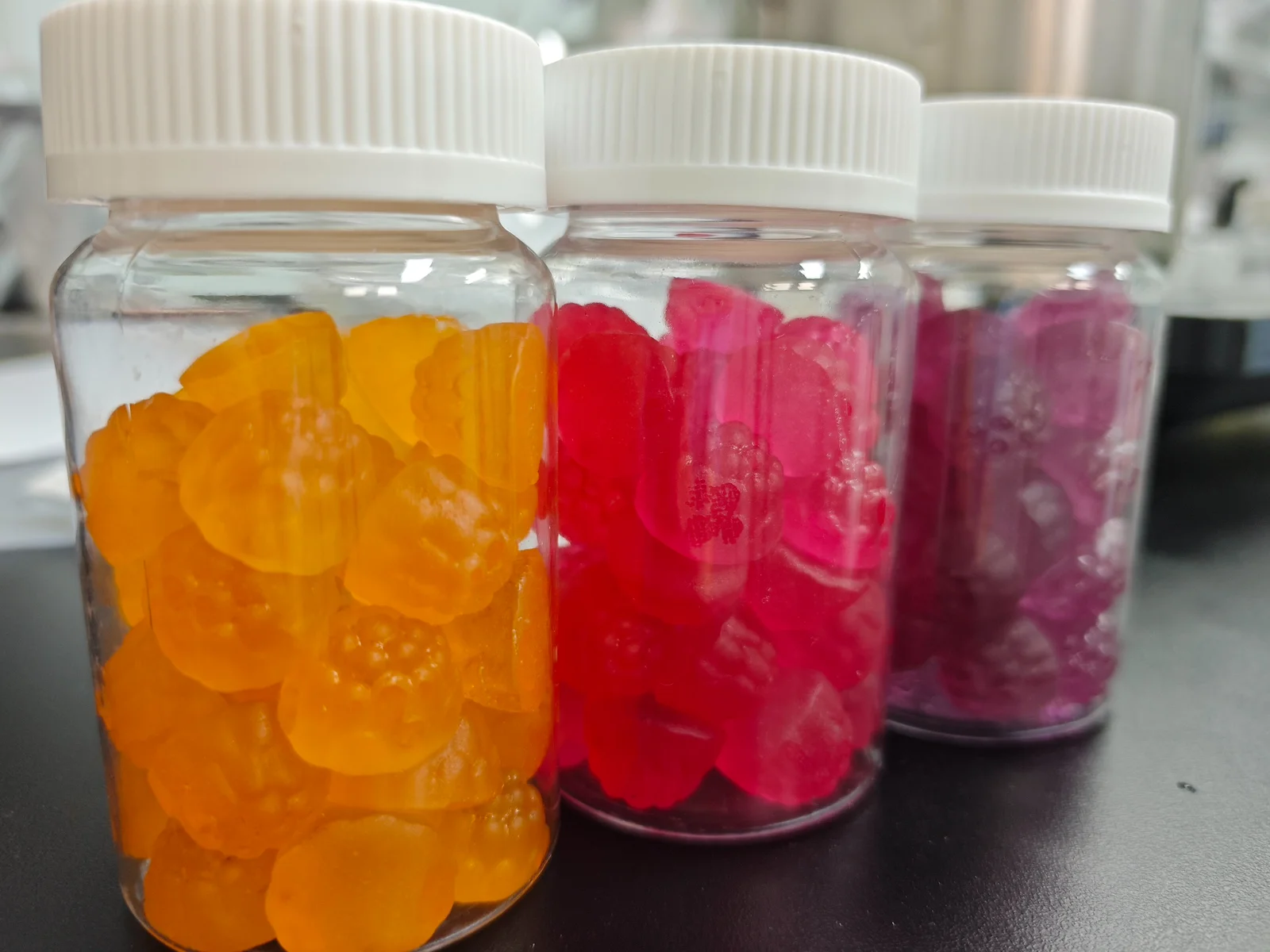
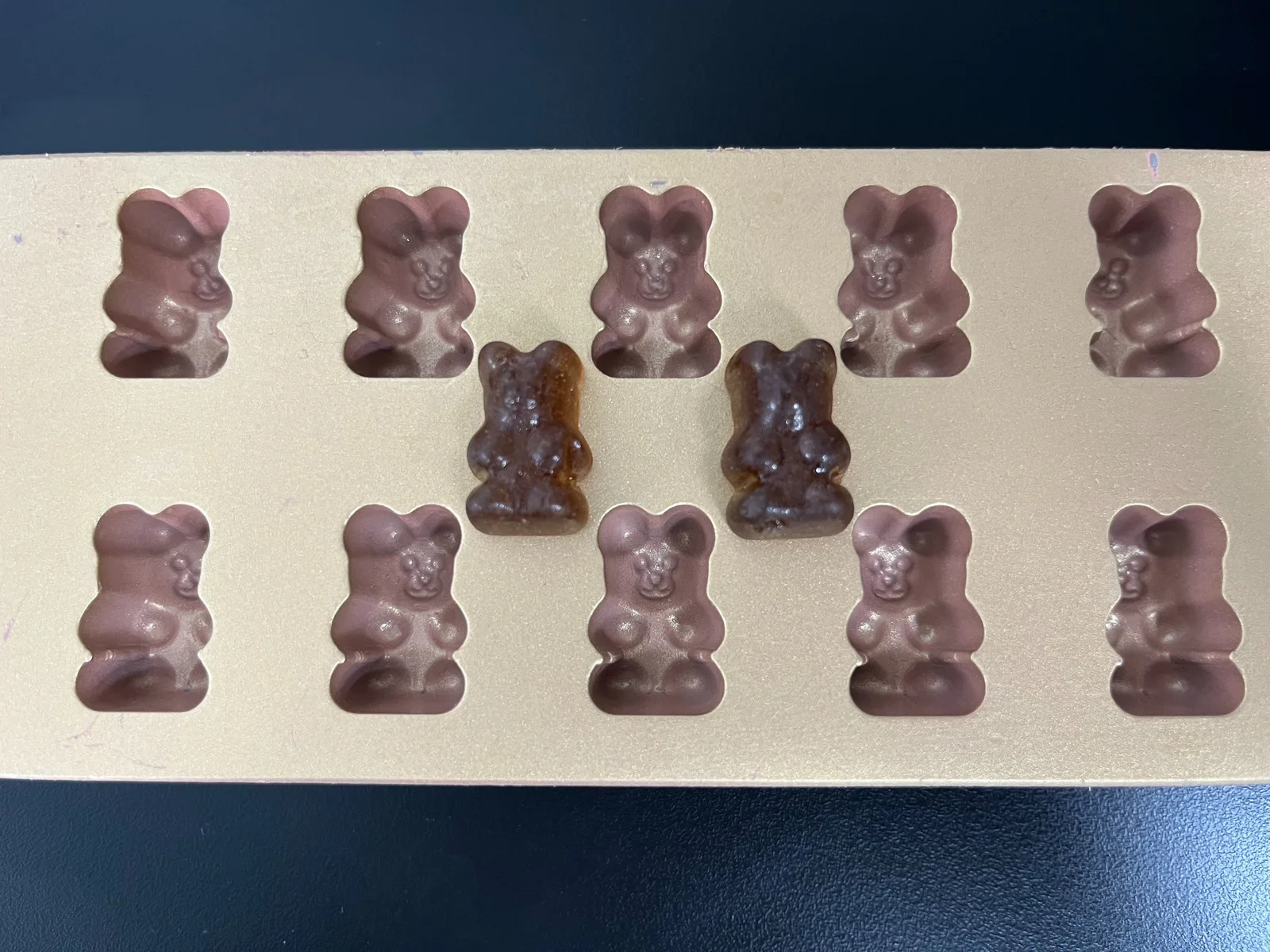
Gummies also offer customization of shape, color, and flavor. Attractive shapes such as electrolyte gummy bears can differentiate your electrolyte products and make your brand more memorable.
8. Are There Any Health Concerns Associated With Electrolyte Gummies?
The main concern is that ingredients may pose risks for certain consumers. High sodium and potassium levels may, for example, add to the burden for people with kidney disease. Inappropriate or excessive magnesium use, including poor-quality magnesium oxide or magnesium chloride, may cause diarrhea through the osmotic action of unabsorbed magnesium salts in the intestine.
Sugar may also affect dental health, so sugar-free formulas are usually our first choice. Young children can also face a choking risk. Pay attention to individual gummy size; push-and-turn caps are also a practical way to help prevent accidental consumption by children.

Final Thoughts
Overall, the gummy dosage form does not compromise the effects of electrolyte products.
You can develop electrolyte gummies for hydration, exercise, nerve support, and other functions, working with the manufacturer on ingredient combinations to create a product specific to your brand.
As electrolyte gummy manufacturing experts, we welcome your product development questions at any time—Sucotond.